
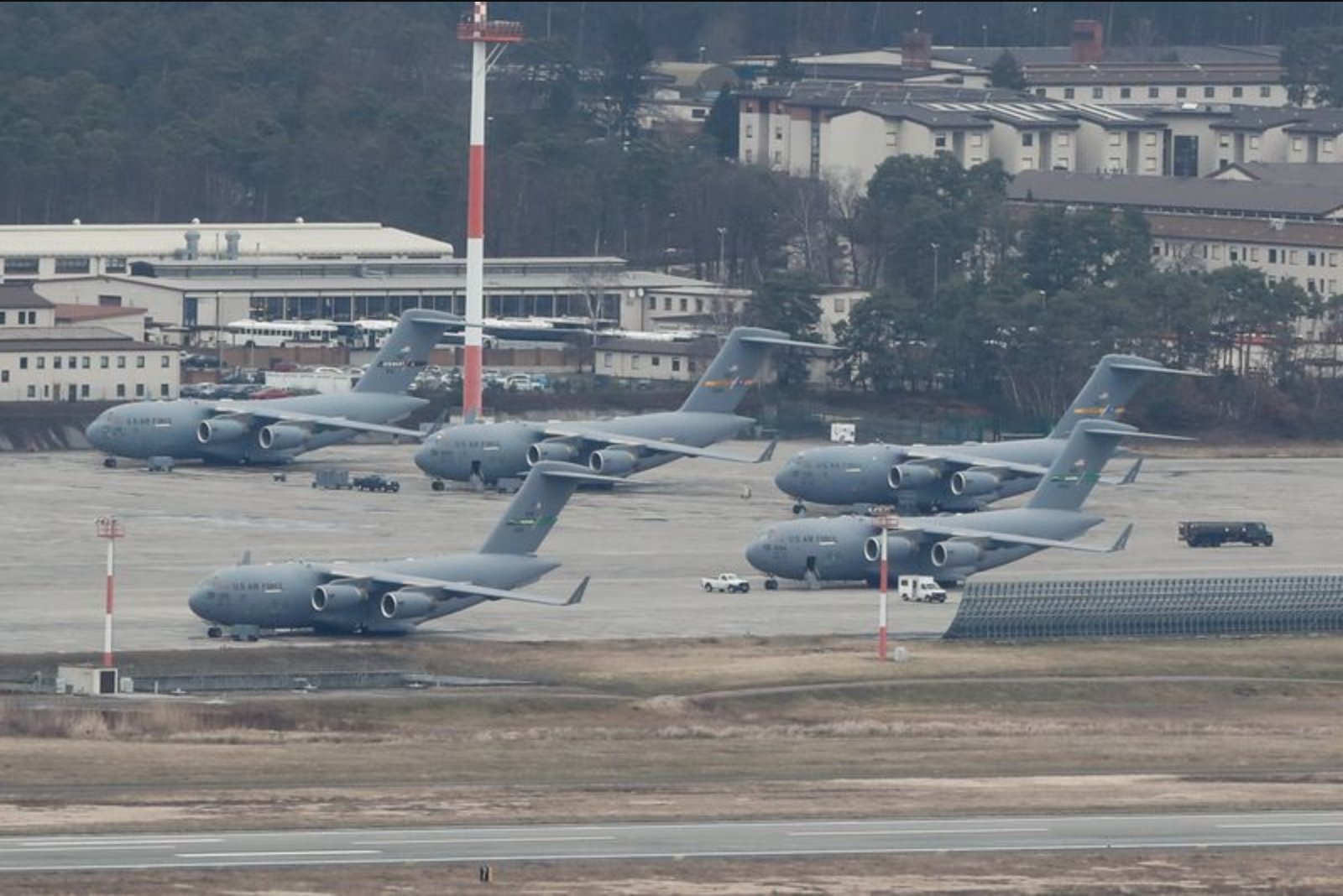
PARIS, May 2 - NATO officials said they are engaging with the United States to clarify the specifics of a U.S. decision to reduce troop levels in Germany. The alliance made clear it is seeking a full understanding of the U.S. decision on force posture as officials assess operational and strategic implications.
In a public statement posted on X, NATO spokesperson Allison Hart described the ongoing exchanges with Washington and framed the move as reinforcing a broader policy emphasis within the alliance. Hart stressed that the change in U.S. forces in Germany points to the continuing need for European allies to raise defence spending and shoulder a larger portion of the collective security burden.
"We are working with the U.S. to understand the details of their decision on force posture in Germany. This adjustment underscores the need for Europe to continue to invest more in defence and take on a greater share of the responsibility for our shared security - where we’re already seeing progress since Allies agreed to invest 5% of GDP at the NATO Summit in The Hague last year," wrote Hart on X.
Hart went on to express confidence in the alliance's capacity to maintain effective deterrence and defence while the balance of responsibilities shifts. "We remain confident in our ability to provide for our deterrence and defence as this shift towards a stronger Europe in a stronger NATO continues," she added.
The public comments indicate NATO is treating the U.S. decision as a matter requiring discussion and clarification rather than as a unilateral policy announcement left unaddressed. NATO's reference to the prior agreement by Allies to target higher defence investment levels - set at 5% of GDP at the NATO Summit in The Hague last year - was used to underscore a pathway for managing alliance security responsibilities collectively.
Taken together, the messaging from NATO underscores two central points: first, alliance consultation with the United States to clarify troop posture changes in Germany; and second, an emphasis on increased European defence investment and greater burden-sharing among allies as NATO adapts to the adjustment.