
World March 4, 2026 04:51 AM

Moscow Says U.S. Manufactured Iranian Threat to Justify Regime Change

Russian officials condemn calls for Iranians to seize power and denounce killing of Iran's supreme leader amid U.S.-Israel offensive

By Nina Shah

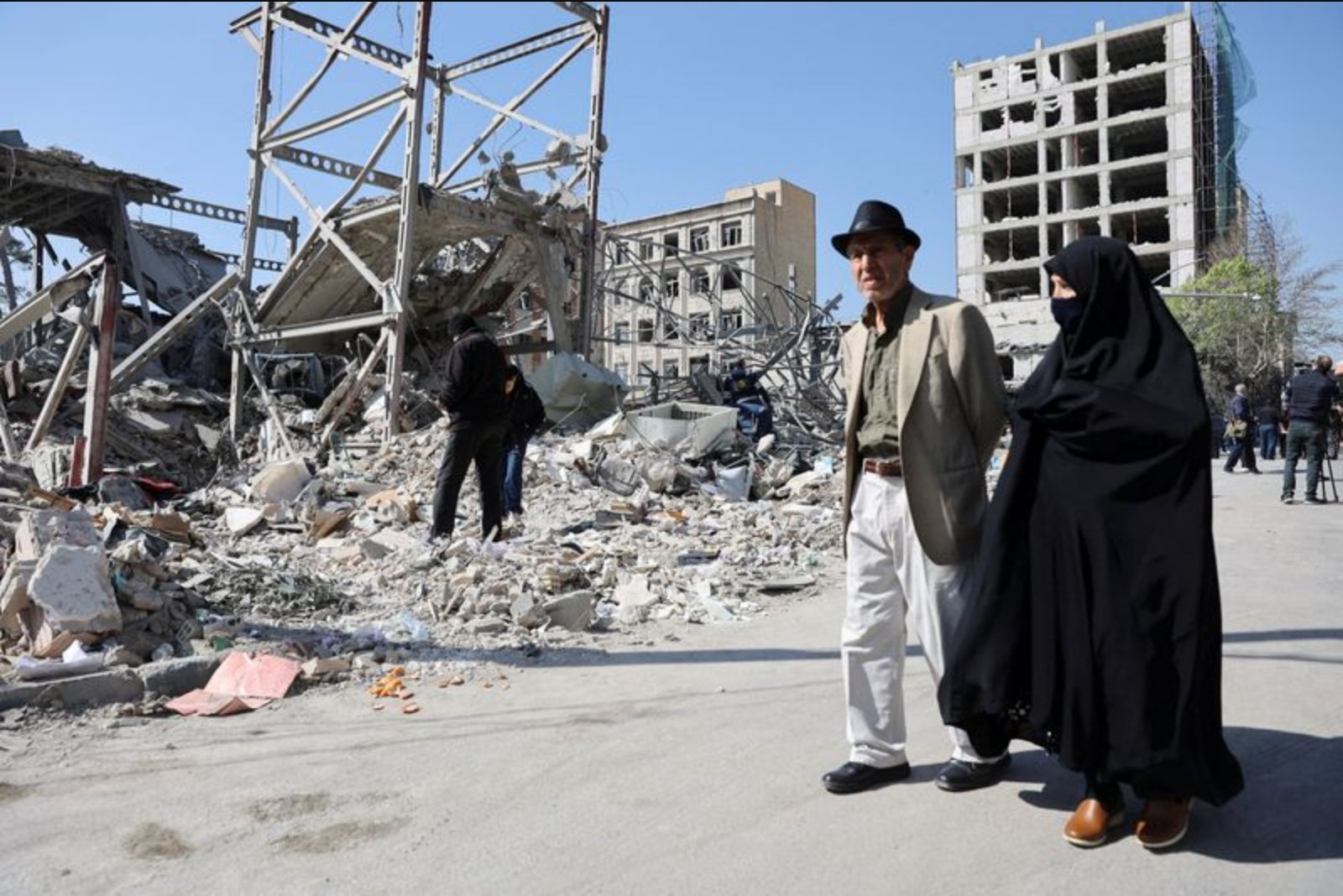
Russian authorities accused the United States of inventing a threat from Iran to provide a pretext for overthrowing Iran's constitutional order. Moscow also criticized Western exhortations for Iranians to seize power, calling such appeals cynical and inhumane, and reiterated its strategic partnership with Iran after the killing of Iran's supreme leader on the first day of a war the United States and Israel launched.

Moscow Says U.S. Manufactured Iranian Threat to Justify Regime Change

Key Points

  • Russia accused the United States of fabricating an Iranian threat to justify a plan to overthrow Iran's constitutional order - sectors impacted include defense and international diplomacy.
  • Moscow condemned Western calls for Iranians to seize power as cynical and inhumane, highlighting risks to domestic stability in Iran - potential market sensitivity in energy and regional security sectors.
  • Russia cited its strategic partnership treaty with Iran and reported that President Putin condemned the killing of Supreme Leader Ayatollah Ali Khamenei, who was killed on the first day of the war launched by the U.S. and Israel - implications for geopolitical risk and financial market volatility.

Moscow on Wednesday sharply rebuked Washington, accusing the United States of using an "imaginary" Iranian threat as cover for a plan to topple Iran's constitutional system. The Foreign Ministry's spokeswoman told reporters that talks with Tehran, which she said had been ongoing as recently as last week, were exploited as a facade to mask intentions of regime change.

The spokeswoman, Maria Zakharova, said there was "no doubt" that the repeatedly invoked Iranian threat had been fabricated over many years and had served as a pretext "for the implementation of a long-cherished plan to violently overthrow the constitutional order of a sovereign state" that, in her words, Washington and Tel Aviv disfavored.

Zakharova also condemned public statements urging Iranians to seize power from their clerical leadership. Without naming the U.S. president, she referenced calls for Iranians to take control and described such appeals as both cynical and inhumane. "It is even more cynical and inhumane to hear calls for the Iranians to seize power, as the West says, when the West is literally tearing ripping these hands from the Iranians," she said.

The remarks came against a backdrop of heightened confrontation after what Russian officials described as the killing of Supreme Leader Ayatollah Ali Khamenei. President Vladimir Putin, according to Moscow, condemned what he termed the cynical murder of Khamenei, who was killed on the first day of the war that the United States and Israel launched on Saturday.

Russia highlighted its formal ties with Tehran, noting the existence of a strategic partnership treaty between the two governments as it criticized what it called foreign meddling in Iran's internal affairs. Zakharova framed recent diplomatic activity as being used to camouflage a deeper objective: overturning a sovereign nation's constitutional order by force.

The Russian Foreign Ministry made its statements publicly, reiterating Moscow's position that external calls for regime change and exhortations for domestic actors to seize power are unacceptable steps that exacerbate tensions and undermine sovereignty.


Reporting note: Russian officials spoke to reporters during the ministry's public briefings. Quotations above reflect their statements as delivered at that time.

Risks

  • Escalation of geopolitical tensions stemming from accusations of planned regime change - this primarily affects defense contractors, sovereign risk assessments, and regional energy markets.
  • Domestic instability in Iran if external calls to seize power gain traction or provoke backlash - potential impacts on oil supply perceptions and investor sentiment in global markets.
  • Destabilizing rhetoric and actions may increase market uncertainty and sovereign risk premia, particularly for sectors sensitive to geopolitical shocks such as energy and financial services.

More from World

Journalists Killed or Abducted in Mexico Nearly Double in 2025, Report Finds May 6, 2026 Cuban leaders condemn U.S. statements on possible military intervention amid crippling fuel shortages May 6, 2026 Macron Presses Iran on Keeping Strait of Hormuz Open for Shipping May 6, 2026 Sheinbaum Faces Internal Morena Rift After U.S. Indictment of Mexican Officials May 6, 2026 France Sends Carrier Strike Group to Red Sea as Plan for Hormuz Security Advances May 6, 2026