
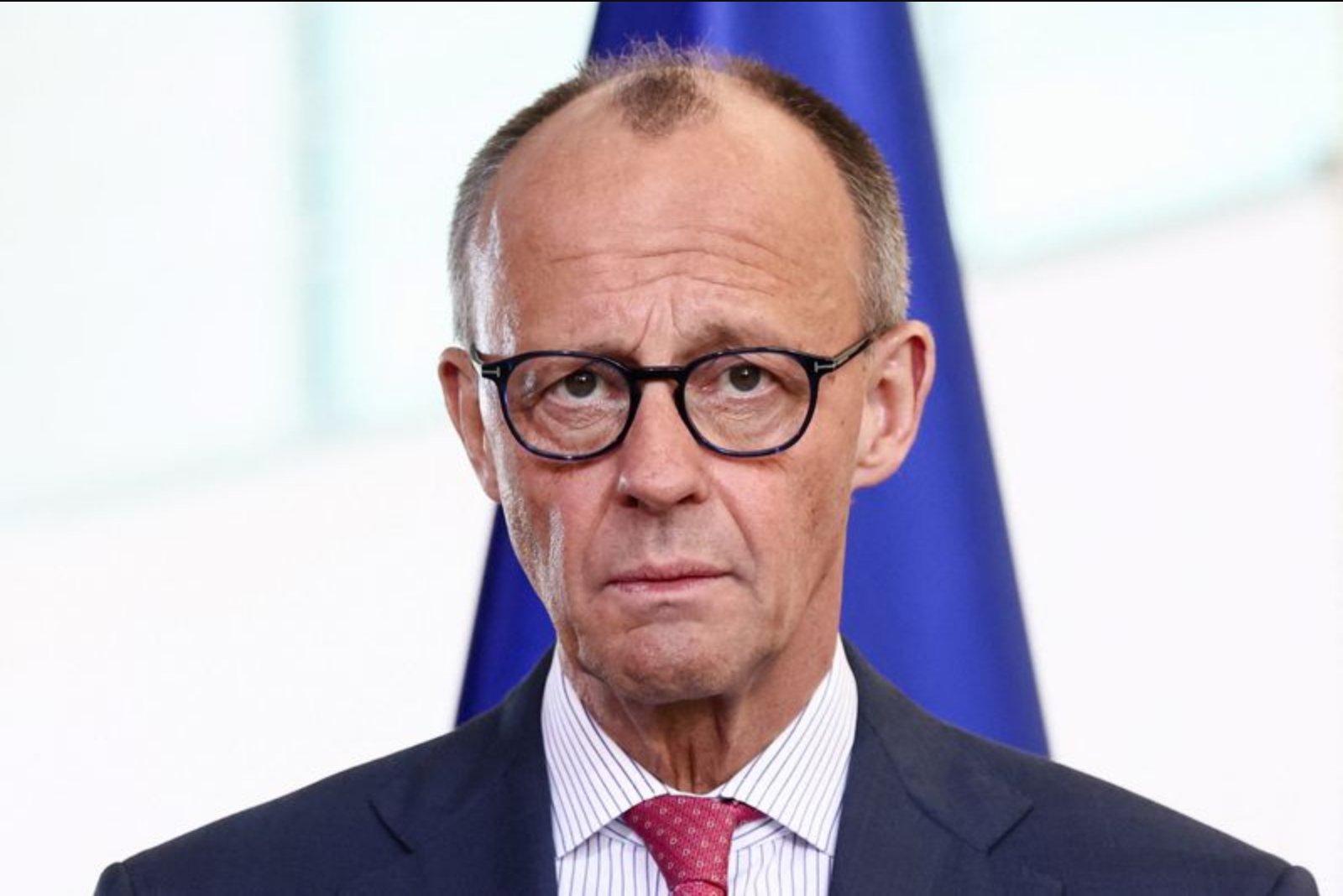
BERLIN, April 29 - German Chancellor Friedrich Merz said on Wednesday that his personal relationship with U.S. President Donald Trump remains positive even after a public spat between the two leaders over the war with Iran. Merz nonetheless stressed his ongoing concerns about the economic consequences of the conflict.
"From my perspective, my personal relationship with the U.S. President remains good. I simply had doubts from the start about what was begun with the war in Iran. That is why I have made that clear," Merz told reporters.
Merz framed his objections in economic terms, pointing to tangible effects on Germany and Europe. "In Germany and Europe we are suffering from the consequences, such as the closure of the Strait of Hormuz. This has a direct impact on our energy supply and a huge impact on our economic performance," he said, adding that Washington and Berlin continued to be in contact.
The exchange followed a series of critical comments from both sides. On Tuesday, President Trump took aim at Merz in a social media post, saying the German chancellor thought it was "OK" for Iran to have a nuclear weapon and that Merz "didn’t know what he was talking about." Merz, for his part, has stated that Iran must not be allowed to obtain a nuclear weapon.
Merz’s remarks came after he publicly rebuked U.S. handling of the conflict earlier in the week. On Monday, the chancellor said Iran’s leadership had been "humiliating" the United States by arranging for U.S. officials to travel to Pakistan for peace talks that produced no results. He also said he did not see an identifiable exit strategy being pursued by the United States.
President Trump has sharply criticised NATO allies for not deploying their navies to assist in reopening the Strait of Hormuz, which the chancellor said has been effectively closed since early March. The closure has been linked in Merz’s comments to market turmoil and "unprecedented disruption" in energy supplies.
Despite a ceasefire in the U.S.-Israeli war with Iran, the conflict remains deadlocked, the chancellor said, with both sides seeking a formal end to hostilities. Those conditions, Merz suggested, are creating ongoing economic headwinds for Germany and Europe.
Contextual note: Leaders on both sides of the Atlantic continue to communicate even as they trade public criticism over tactics and strategy related to the Iran conflict.