
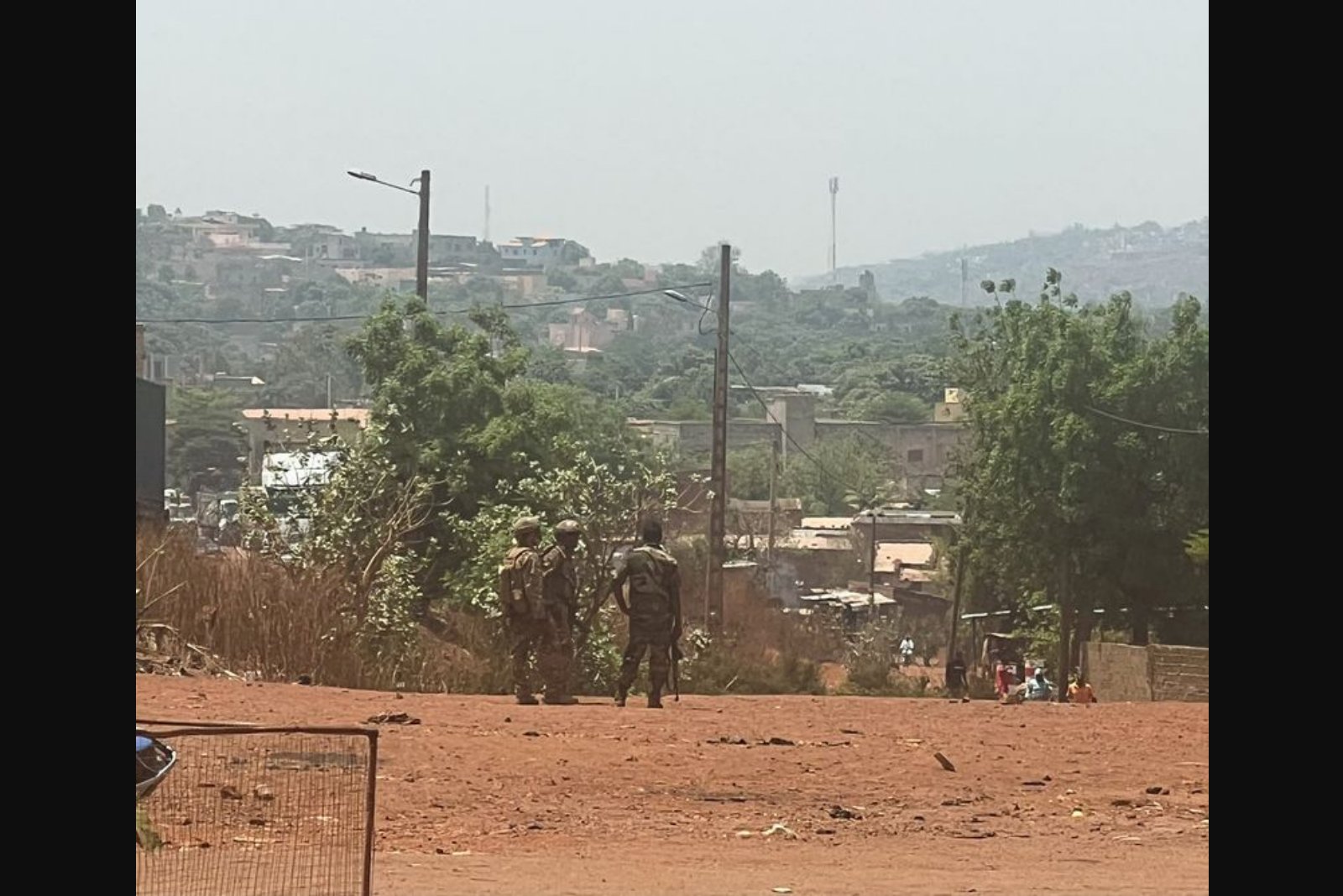
Malian security forces have retaken control of the town of Menaka on the border with Niger after fighters from the Islamic State in the Sahel Province, an affiliate of the Islamic State, withdrew following clashes, residents said on Wednesday. The reports were echoed by a senior diplomatic source, who said the army had reasserted its presence in the town as forces resumed land and air patrols.
The reoccupation of Menaka is part of a wider effort by the Malian military to regain territory after a series of coordinated assaults over the weekend. Those attacks, launched on Saturday, involved open cooperation between al Qaeda-linked insurgents and a coalition of mostly Tuareg separatists. The weekend fighting resulted in the death of Mali’s defence minister and inflicted a setback on Russian mercenaries who had been supporting Malian forces.
Security posture tightens across multiple regions
In central Mali’s Mopti region, which saw fighting as part of the weekend offensive, residents reported a return to relative calm by Wednesday, though many people remained uneasy. The army has stepped up its security measures in and around Mopti, increasing checkpoints and expanding both ground and air patrols.
Authorities in Gao, the largest city in northern Mali, also deployed more troops and patrols, residents said, as civilians prepared for the possibility of further attacks. In the central town of Sevare, tensions persisted; a witness reported hearing gunfire overnight and described seeing multiple bodies on Monday, including civilians, soldiers and insurgents. The hospital morgue in that area was reported to be at full capacity.
After several days away from public view, Mali’s military leader Assimi Goita made a public appearance on Tuesday for the first time since the weekend attacks. He pledged to neutralise those responsible for the assault. On the same day, he met with the Russian ambassador and visited a hospital where the wounded from the weekend violence were receiving treatment.
Observers and officials have warned that the weekend operations risk triggering a scramble for territory across Mali’s vast desert north. The attacks have raised the prospect of significant territorial gains by armed groups that have demonstrated an increasing willingness to strike neighbouring countries and, according to analysts cited in reports, could eventually set their sights further afield.
This unfolding security situation has prompted a stepped-up military response and heightened concern among civilians in several affected towns and regions.