
World May 2, 2026 05:43 AM

Mali Probes Soldiers Over Alleged Role in Coordinated April Attacks

Military tribunal names active, retired and dismissed soldiers among suspected accomplices as unrest spreads across the country

By Leila Farooq
Mali Probes Soldiers Over Alleged Role in Coordinated April Attacks

Malian authorities have opened investigations into several soldiers suspected of assisting militants who attacked army bases nationwide on April 25. The military tribunal in Bamako said its list of possible accomplices includes three serving soldiers, a retired serviceman and a dismissed soldier who was killed near the main Kati base. The strikes, claimed by groups linked to al Qaeda and Tuareg separatists, have intensified fighting across northern Mali and prompted warnings about broader regional security implications.

Key Points

  • Authorities have identified suspected accomplices to the April 25 attacks, including three active soldiers, a retired soldier and a dismissed soldier who was killed near the Kati military base - sectors impacted: defence, security.
  • Simultaneous strikes revealed cooperation among fighters from different groups, striking at the heart of the military government that took power after coups in 2020 and 2021 - sectors impacted: governance, regional stability.
  • JNIM has called for an uprising and vowed to besiege Bamako; checkpoints were reported around the capital, heightening urban security concerns - sectors impacted: urban security, civil administration, investment climate.

Malian judicial authorities are investigating a group of soldiers suspected of acting as accomplices in the coordinated assaults on army installations that rocked the country on April 25, a military tribunal prosecutor said in a statement read on state television late on Friday.

The prosecutor's statement, delivered by the military tribunal in Bamako, said the list of suspects includes three active duty soldiers, a retired soldier and a soldier who had been "dismissed" and was subsequently killed in fighting near Mali's principal army base in Kati, which lies about 15 km outside the capital, Bamako.

"The first arrests have been successfully carried out, and all other perpetrators, co-perpetrators, and accomplices are actively being sought," the statement said. It did not specify the total number of suspects identified or name those already detained.


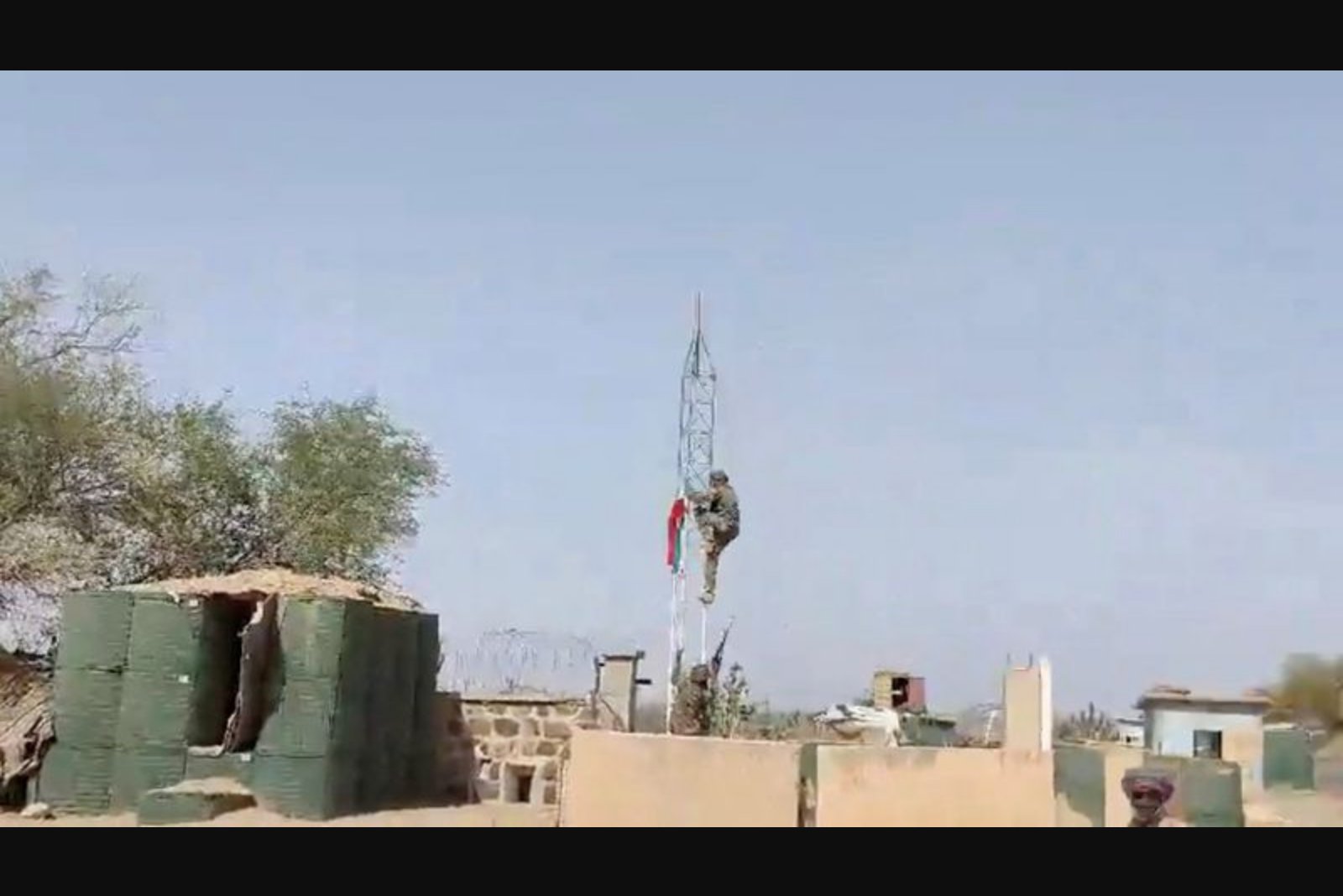
The simultaneous attacks that began on the morning of April 25 demonstrated how fighters from distinct groups with differing objectives were able to strike deep into the West African country's military leadership, which seized power following coups in 2020 and 2021. The violence included the killing of the defence minister and forced the withdrawal of Russian forces that had been supporting the government from the northern town of Kidal.

Fighting has since escalated across Mali's expansive northern desert, raising the prospect that armed groups could make substantial territorial gains. Observers cited in the prosecutor's statement note these groups have shown an increasing willingness to mount operations beyond Mali's borders and could, according to analysts referenced in the statement, set their sights further afield.

The insurgents linked to al Qaeda, who operate under the name Jama'at Nusrat al-Islam wal-Muslimin (JNIM), have called on Malians to rise against the ruling authorities and to move toward the implementation of Sharia law. The group has also vowed to besiege the capital, and security sources said on Friday that checkpoints established by the group had been set up around Bamako, a city of roughly four million people.

In a televised address on Tuesday, military leader Assimi Goita stated that the situation was under control and promised to "neutralise" the insurgent groups responsible for the attacks.


The prosecutor's announcement indicates an active investigation into possible inside assistance for the April 25 operations, and it underscores the wider security challenges facing Mali as the government seeks to reassert control amid a volatile operational environment.

Risks

  • Escalation of fighting across Mali's north could enable armed groups to secure significant territorial gains, increasing instability - impacts defence and regional security.
  • Checkpoint deployments and calls to besiege Bamako present immediate threats to civilian safety and urban economic activity, potentially disrupting markets and investment flows in the capital region - impacts commerce and investment.
  • The withdrawal of Russian-backed forces from Kidal and the killing of the defence minister suggest potential degradation of government control and command cohesion, risking further security vacuums - impacts defence and public administration.

More from World

Met Gala Draws High-Profile Arrivals as Protesters Target Bezos Sponsorship May 4, 2026 Three Die After Small Plane Crashes Into Residential Building in Belo Horizonte May 4, 2026 Quarantine at Sea: Passengers Stranded as Suspected Hantavirus Claims Three Lives aboard M/V Hondius May 4, 2026 U.S. Intelligence Sees No Material Change in Iran’s Nuclear Timeline Despite Recent Campaign May 4, 2026 Judge Criticizes Jail Conditions for Man Accused in Trump Gala Shooting Attempt May 4, 2026