
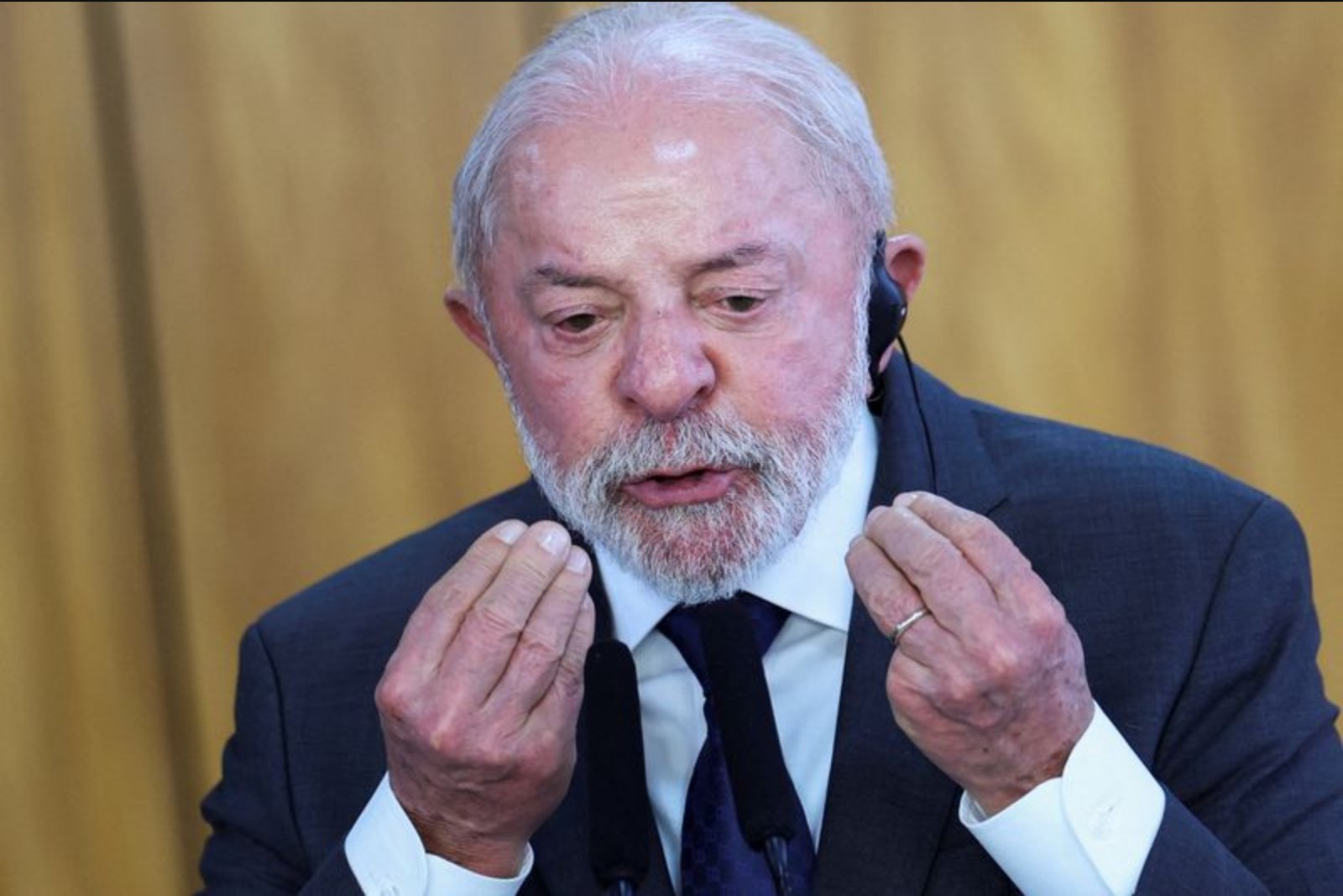
Brazilian President Luiz Inacio Lula da Silva plans to present a new nominee to fill an open seat on the Supreme Court, two people familiar with his thinking said, after his initial candidate was turned down by the Senate.
The Senate’s rejection represents a rare political setback: Lula is the first leader in 132 years to have a top court nominee defeated by Congress. The episode has intensified political friction in Brasilia as the country moves toward the general election scheduled for October, in which Lula is expected to run for a fourth non-consecutive term.
Some figures on the right argue that Congress should defer the appointment until after the election and allow the incoming president, who takes office in January, to fill the vacancy. Supporters of that view point to a precedent in the United States, when the Republican-controlled Congress did not consider President Barack Obama’s Supreme Court nominee before the 2016 election. That decision ultimately enabled President Donald Trump to name several conservative justices, which reshaped the ideological balance of the U.S. court.
Senator Rogerio Marinho, the opposition leader, wrote on X that - "The next nominee to the Supreme Court should be defined after the elections, with legitimacy and new criteria."
Legal and political observers note the practical stakes: if the Senate does not approve a justice this year, the next president could appoint up to four members to the 11-seat court, potentially altering its makeup. Two of the current justices were appointed by former President Jair Bolsonaro.
Lula’s initial nominee was Solicitor General Jorge Messias. His bid to gain Senate approval faltered despite the president having succeeded earlier this year in appointing two other allies to the court - his personal lawyer and a cabinet minister - amid a predominantly conservative Congress.
The choice of Messias drew particular ire from Senate President Davi Alcolumbre, who had preferred a different candidate for the vacancy, and from several conservative senators who objected to what they described as another politically linked appointment to the high court.
People close to the president said Lula now plans to nominate a woman to fill the open seat. The allies framed that step as a way to increase the political cost for senators who might reject the president’s choice, at a moment when voters are perceived to be especially attentive to such appointments.
At present, Brazil’s Supreme Court includes one woman among its 11 justices. Justice Carmen Lucia is scheduled to retire in 2029, which would create another vacancy down the line.
Still, some in Lula’s inner circle expressed doubts about whether it is prudent to risk another high-profile defeat in Congress so soon after the rejection of Messias. The debate within the president’s camp reflects competing calculations about political strategy and public perception.
One person close to Lula said - "There is no sense in waiting and risking being unable to make an appointment after the elections. If the Senate chooses not to vote, the responsibility lies with them."
Randolfe Rodrigues, the government’s leader in Congress, emphasized that the timing and selection of a Supreme Court nominee should remain the prerogative of the president. He said - "But I believe that the president should exercise his authority to submit a nominee, whether a man or a woman."
The coming days are likely to see close consultations within Lula’s team as the president weighs a new nomination and the possible political fallout from either a successful confirmation or another rebuke by the Senate. The choice of a female nominee is being presented by allies as a means to raise the political stakes for senators approaching that decision.