
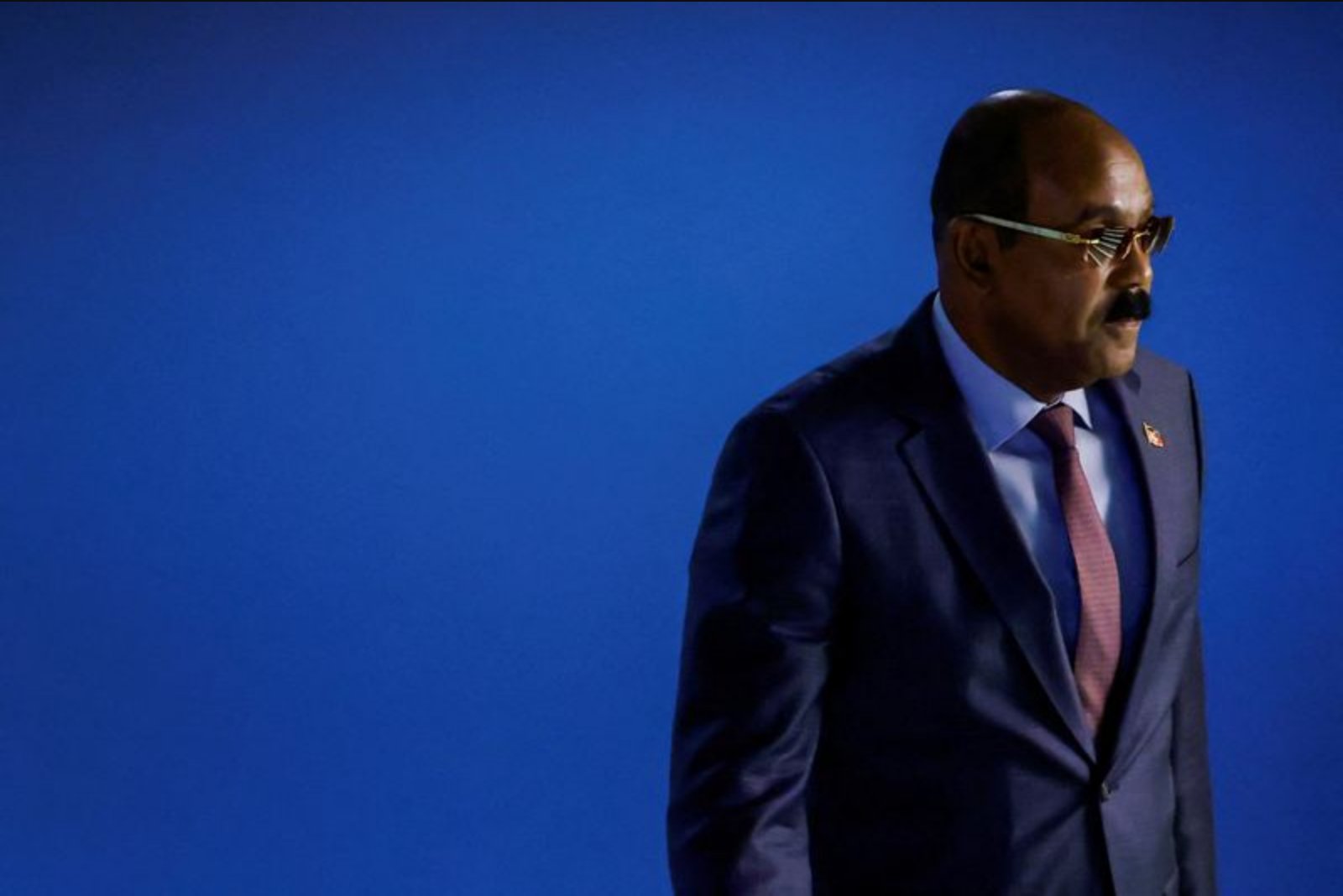
Prime Minister Gaston Browne achieved a decisive electoral victory late on Thursday, securing a fourth term as the head of government after his Antigua and Barbuda Labour Party captured 15 out of 17 seats in the national parliament, according to preliminary official returns.
The opposition United Progressive Party, regarded as the primary challenger, was awarded a single seat in the preliminary count. The Labour Party, following the returns, posted on social media: "We are humbled and honored by your support and confidence."
Browne, 59, a former banker and businessman who has led the Labour Party since 2014, campaigned on a platform emphasizing economic stability and investment-led growth. His messaging highlighted a post-pandemic rebound in tourism and plans for continued infrastructure expansion as central pillars of his agenda.
A key issue throughout the campaign was Washington's January decision to suspend visa processing for Antigua and Barbuda nationals, a move that posed significant disruption for residents who routinely travel to the United States for employment. The U.S. action followed concerns about Antigua and Barbuda's program that allows foreign nationals to obtain citizenship through investment, with officials arguing the scheme could be exploited by criminals seeking entry into the United States.
Officials from Browne's administration said the government has been cooperating with U.S. authorities and has implemented reforms intended to strengthen and increase transparency in the Citizenship by Investment Program.
The government had called the general election last month, two years earlier than required, stating it sought a renewed mandate amid what it described as an international crisis. In the prior parliament the Labour Party held a nine-seat majority.
Authorities have scheduled a second vote count on Friday to formally confirm the outcome. International observers monitored the election process.
Context for markets and sectors
The result will be watched by sectors tied to tourism and infrastructure development, given the government's campaign focus on tourism recovery and capital projects. Financial services and citizenship-by-investment intermediaries may also track political developments closely because of the U.S. scrutiny that featured prominently in the electoral debate.