
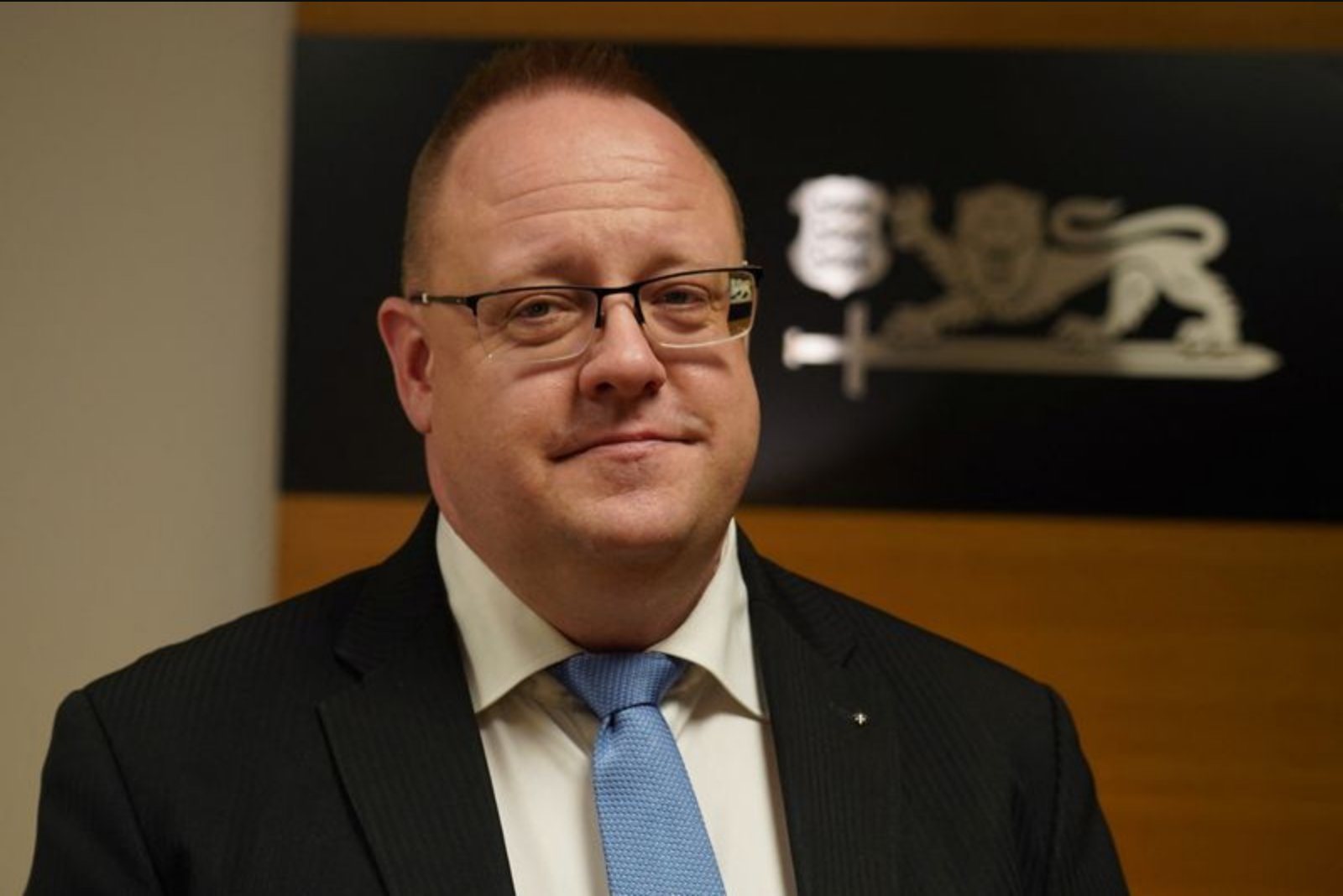
Estonia's foreign intelligence service, in its annual assessment, says Russia is undertaking a broad programme of military rebuilding aimed at countering European rearmament. While the report states Moscow has no intention of launching a military attack on any NATO member this year or next, it warns that Russian forces are being strengthened to undercut growing European defence capacity.
The head of the intelligence service, Kaupo Rosin, told reporters that Europe must increase investment in defence and internal security so that "in the future Russia would conclude it has no chance against NATO countries." He said Russian leaders are "very concerned about...European rearmament," and believe Europe could be able to conduct independent military action against Russia "in two to three years." According to the report, Russia's immediate objective is to "delay and hinder" that outcome.
Among the capabilities highlighted, the intelligence service says ammunition production in Russia is expanding at a pace that will allow Moscow both to sustain operations in Ukraine and to accumulate stockpiles for potential future conflicts. The report also notes specific operational concepts that would be used against Estonia: any attack on Estonian territory would involve drones "on land, in the air and at sea, simultaneously across Estonia's entire territory," the agency said.
Relations with the United States and diplomatic signals
The intelligence assessment portrays the Kremlin as continuing to view the United States as its principal global adversary, while presenting a purported willingness to cooperate when doing so serves to lift U.S. sanctions. The report states this apparent change arose from what it describes as the Kremlin's desire to exploit the new U.S. administration to restore bilateral ties and to pursue a settlement that would "formalise Ukraine's defeat."
Despite what the report characterises as an illusory thaw in relations, it says Russian objectives have not shifted: Russia seeks to marginalise the United States and NATO and to reshape Europe's security architecture to align with Moscow's vision.
Russia-China alignment and wider strategic implications
The Estonian report also addresses growing ties between Russia and China. It says China views Russia as both a partner useful for marginalising Western influence and a potential source of energy should a conflict over Taiwan prompt sanctions or a maritime blockade. The two countries are described as cooperating on military technology research. The report warns that concessions to Russia would, in effect, also aid China's global ambitions.
The intelligence document presents a picture of a Russia that is not seeking immediate confrontation with NATO but is nonetheless investing to slow and counter the effects of European rearmament while strengthening partnerships that could alter broader geopolitical dynamics.