
Summary
China's military announced on Thursday that its naval and air forces carried out combat readiness patrols in the vicinity of Scarborough Shoal in the disputed South China Sea. Beijing framed the operations as a response to the annual Balikatan drills - which run from April 20 to May 8 and involve Australia, New Zealand, the Philippines and the United States - designed to test combined capabilities and coastal defence responses. Philippine authorities say their sensors have not verified the scope of activity China described and have characterised some of Beijing's messaging as information operations.
Report
China's Southern Theater Command said its naval and air units undertook combat readiness patrols near Scarborough Shoal on Thursday. In a statement, the command described the patrols as measures intended to "resolutely safeguard China’s territorial sovereignty and uphold peace and stability in the South China Sea." The same statement said the patrols "serve as an effective countermeasure to cope with all sorts of rights-violation and provocative acts."
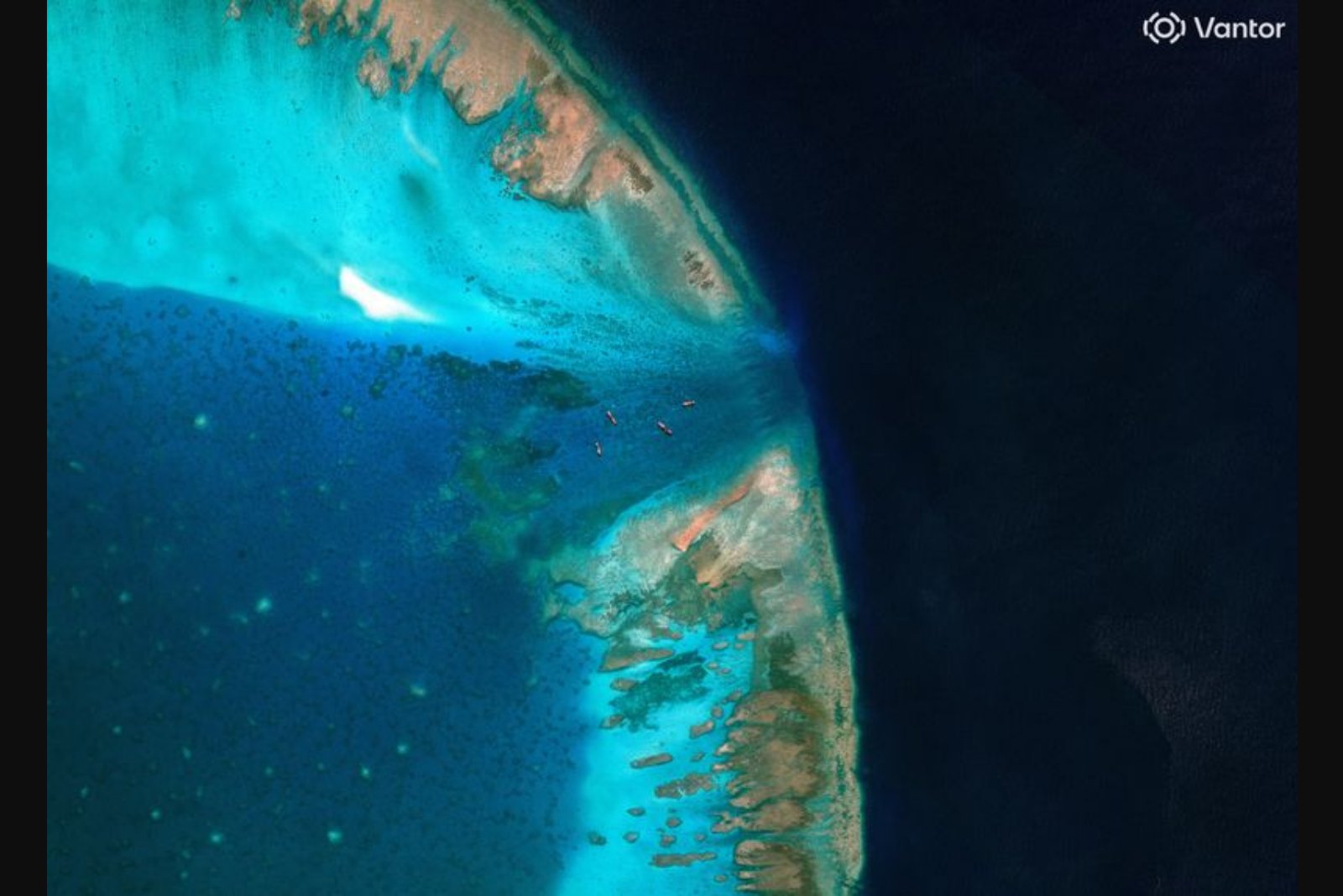
Later on Thursday, the China Coast Guard issued a separate statement saying it had conducted "law-enforcement patrols" in the same area. Scarborough Shoal is a frequent flashpoint in dispute over sovereignty and fishing rights in the South China Sea.
The Chinese actions occurred while the annual Balikatan exercises were underway. Scheduled from April 20 to May 8, the drills bring together forces from Australia, New Zealand, the Philippines and the United States. U.S. and Philippine officials have said these annual exercises - known as Balikatan or "shoulder to shoulder" - feature the largest number of participating nations to date and rehearse coastal defence manoeuvres. Among the activities practised are repelling a mock assault with live fire against designated targets and intercepting threats, intended to test the ability of partner forces to operate together to protect territorial waters.
Responding to the Chinese military and coast guard statements, the Armed Forces of the Philippines said its monitoring systems had not validated any unusual or large-scale military activity in the area that matched Beijing's narrative. Roy Vincent Trinidad, Philippine Navy spokesperson for the South China Sea, characterised the Chinese messaging as an example of information operations aimed at projecting "a false sense of control and to justify their illegal, coercive, and aggressive presence within the Philippines’ Exclusive Economic Zone."
In 2024, China defined a baseline of "territorial waters" around Scarborough Shoal, which it describes as its territory and calls Huangyan Island. Manila formally protested those claims, saying they "infringe upon Philippine sovereignty and contravene international law."
Chinese officials have previously criticised the joint exercises between the Philippines and its allies, asserting such drills raise regional tension. On Thursday, Chinese defence ministry spokesperson Zhang Xiaogang commented on the U.S.-Philippine drills at a press conference, saying, "The Asia-Pacific region needs peace and stability, rather than outside powers stirring up division."
Analysis
The sequence of statements from the Southern Theater Command, the China Coast Guard and Manila highlights an ongoing information contest around patrols and exercises in the South China Sea. The Balikatan exercises are framed by participating governments as interoperable defence training, while Chinese authorities describe countermeasures intended to protect claimed territorial sovereignty. Philippine officials dispute the scale and intent of the activity Beijing reported, pointing to their own monitoring data.
Key Points
- China said it held naval and air combat readiness patrols near Scarborough Shoal on Thursday in response to Balikatan exercises running April 20 to May 8.
- The Balikatan drills involve Australia, New Zealand, the Philippines and the United States, and include coastal defence rehearsals such as repelling mock assaults with live fire and intercepting threats.
- Philippine monitoring systems did not corroborate the large-scale activity China described; Manila has protested China’s 2024 baseline claim around Scarborough Shoal as infringing on Philippine sovereignty.
Risks and Uncertainties
- Mismatch in official accounts of on-the-water activity creates uncertainty around actual military presence and intent - this affects defence and maritime security sectors, as well as regional shipping and fisheries.
- Continued public messaging and patrols by multiple actors could increase diplomatic tensions - relevant to defence contractors and nations with naval assets in the Asia-Pacific region.
Tags
SouthChinaSea, China, Philippines, military, Balikatan