
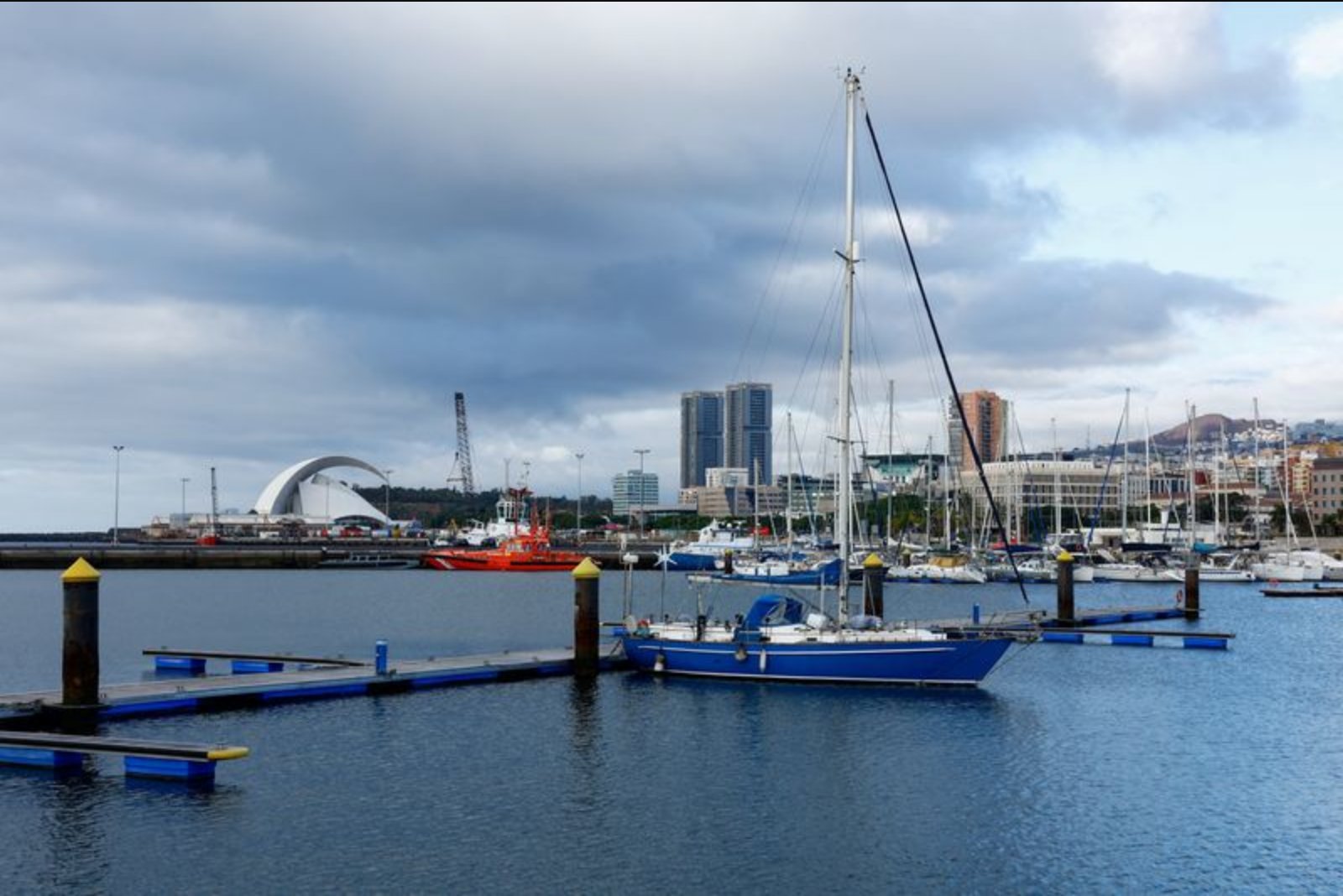
The prospect of a cruise ship carrying cases of hantavirus docking in the Canary Islands has revived painful recollections of the quarantines imposed during the early stages of the Covid pandemic. The MV Hondius, which has 150 people on board, is scheduled to arrive in Tenerife on Saturday after Spain acceded to requests from the World Health Organization to allow the ship to come into port - a decision that has drawn objections from the regional government.
The Canary archipelago has been no stranger to public-health measures. In February 2020, more than 700 holidaymakers were confined to a hotel in Tenerife for 14 days when authorities sealed off the compound to stop viral spread, an episode that remains fresh in many residents' memories. Other public-health incidents - including an Ebola outbreak in 2014 - have also affected the islands, which depend heavily on tourism for economic activity.
That history is shaping local reaction to the Hondius. Some residents say the decision to bring the vessel to the Canaries places an unfair burden on a region already frequently called upon to manage crises. "We are a community that’s already quite flexible when it comes to helping others and being accommodating to people, but I think this is excessive," said local resident Margarita Maria, 62. "People are scared, people are worried. Spain is a huge country with plenty of ports where the cruise ship could go."
Public-health authorities, including the World Health Organization, have sought to calm such anxieties. The WHO has stated the threat to the general public remains low and that the variant identified among passengers appears to spread between humans only through close, prolonged contact. Despite that assessment, concern persists on the islands about a repeat of the kinds of restrictions and disruptions experienced during Covid.
A nurse on Tenerife, speaking on condition of anonymity, said the headlines and the ship's arrival were stirring worry that hospitals and health centres could be forced into lockdown. "It will be just like Covid ... People are worried about their children, elderly relatives and the vulnerable," the nurse said, adding that any virus-related quarantine protocol on the islands would affect schools and healthcare centres.
Spanish Health Minister Monica Garcia said on Wednesday that none of the remaining passengers on board were showing symptoms of the disease and that those individuals would be repatriated to their home countries. She added that the 14 Spaniards still on the ship would be flown to a hospital in Madrid to undergo quarantine, indicating Spain's intent to move forward with containment while coordinating repatriation.
The decision to route the vessel to the Canaries has also been criticised by the local tourism industry. Jorge Marichal, president of Tenerife's hoteliers association Ashotel, questioned why competitive tourist markets were not considered and said: "Tourist destinations competing with the Canary Islands in the international market, such as Morocco, have not been taken into account, and the decision has been made to bring the cruise ship to the Canary Islands - there must be a reason for that."
Officials in the regional government have echoed complaints about communication from Madrid. The Canary Islands' tourism minister, Lope Afonso, said that the central government had not clearly communicated what would be expected of the archipelago in handling the situation, complicating efforts to reassure the tourism sector and manage operational responses.
Beyond industry and health concerns, some locals raised worries about potential reputational fallout ahead of high-profile events. A widely shared comment from local comedian Omayra Cazorla on Instagram captured this nervousness: "Can you imagine the Pope with hantavirus? That’s a headline we don’t want," referencing a scheduled visit by Pope Leo in June.
As authorities proceed, the situation combines public-health management, logistical repatriation and political friction between regional and national officials, while residents and tourism-dependent businesses await the ship's arrival and the follow-up measures that public-health authorities will undertake.