
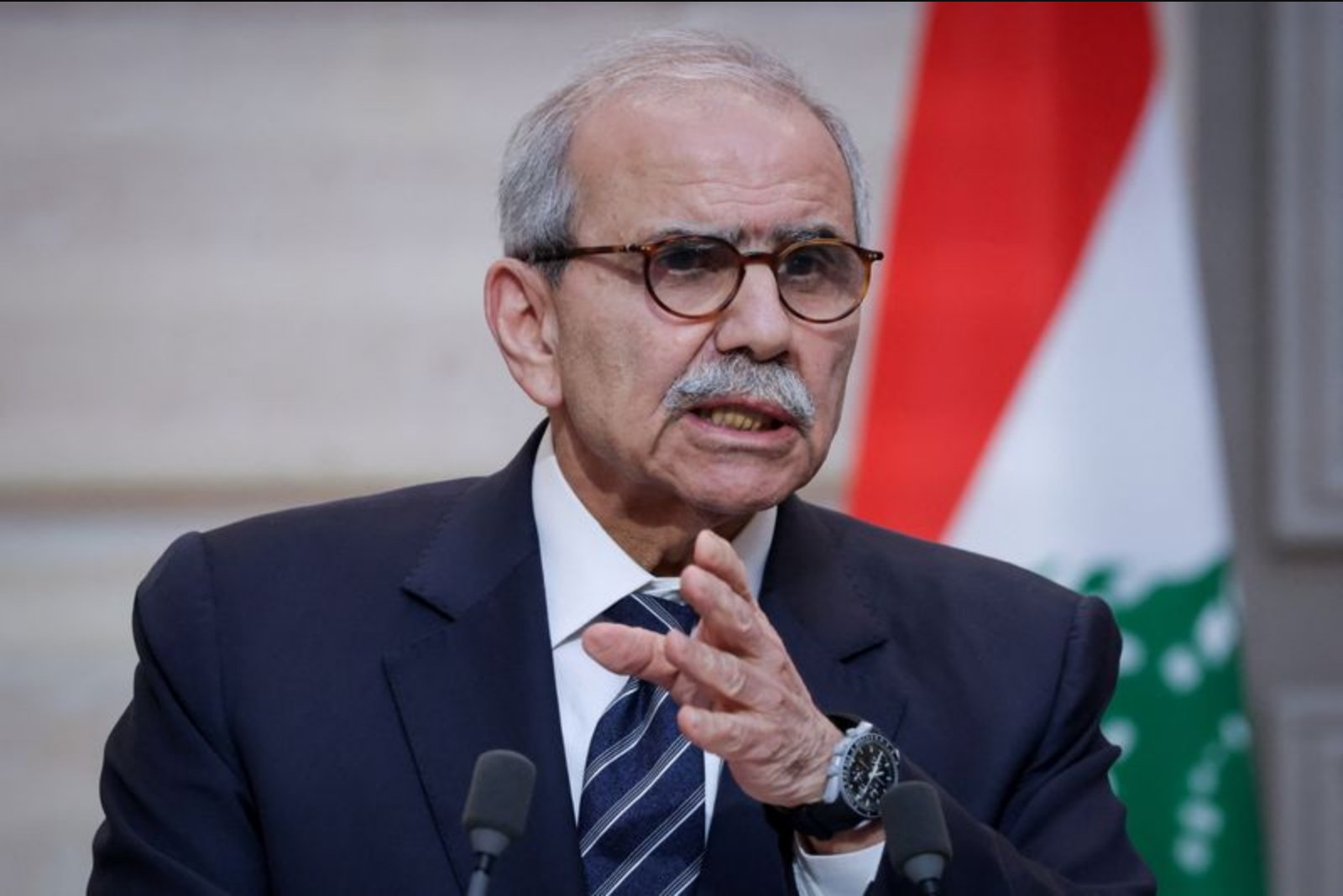
Beirut - Lebanese Prime Minister Nawaf Salam told Lebanon’s National News Agency (NNA) that it is premature to consider any high-level meeting with Israel, stressing that a stable ceasefire must be in place before such talks can proceed. His remarks underscore the fragile environment surrounding efforts to move toward formal negotiations, efforts that U.S. officials and others have encouraged in recent weeks.
Salam said any renewed round of negotiations between representatives of the Lebanese and Israeli governments in Washington would need to be grounded in a reinforced ceasefire. The comment reflects concern in Beirut about the continued violence that has marred southern Lebanon even after a U.S.-mediated ceasefire was announced on April 16.
Hostilities between Israel and Hezbollah - the Iran-backed Shi’ite group operating in Lebanon - have continued to flare in the south despite the ceasefire initiative. Hezbollah began what the Lebanese government describes as a campaign of engagement on March 2, when it opened fire in support of Iran, an action that has since pulled Lebanon into its deepest military contacts with Israel in decades.
Salam’s government, together with President Joseph Aoun, has pursued high-level communications with Israeli counterparts that are unprecedented in recent years inside the Lebanese political landscape. Those contacts, however, have highlighted deep domestic divisions, particularly because Hezbollah has strongly objected to the outreach.
Washington hosted two meetings last month between the Israeli and Lebanese ambassadors to the United States, an effort intended to keep diplomatic channels open. Despite that, Salam emphasized that Lebanon is not seeking normalization with Israel but rather steps toward achieving peace. "The current circumstances are not ripe to talk about high-level meetings," he said, according to NNA, adding a condition the government sees as minimal: "Our minimum demand is a timetable for Israel’s withdrawal."
Salam also indicated the Lebanese government would develop plans aimed at consolidating weapons under state control, an initiative designed to produce the disarmament of Hezbollah. He framed that as part of any broader effort to establish the security framework necessary for formalized meetings.
President Aoun echoed the caution from Beirut, saying this week that the timing was not right to sit down with Israeli Prime Minister Benjamin Netanyahu. Aoun stipulated that Lebanon "must first reach a security agreement and a halt to the Israeli attacks, before we raise the issue of a meeting between us," he said.
Fighting along the frontier has continued, with both sides exchanging strikes and accusations. The Lebanese Health Ministry reported that an Israeli airstrike killed four people in the town of Zelaya in southern Lebanon, including two women and an elderly man. The ministry also said that more than 2,700 people have been killed in the war in Lebanon since March 2.
The Israeli military reported that Hezbollah had launched explosive drones and rockets toward Israeli soldiers in southern Lebanon, injuring two Israeli soldiers. The military added that the Israeli air force intercepted a hostile aircraft before it crossed into Israel and that it carried out strikes on what it described as Hezbollah infrastructure in several areas across Lebanon. Israel has reported 17 soldiers killed in southern Lebanon and two civilians killed in northern Israel since the outset of the fighting.
Those operational reports illustrate the ongoing security challenges that Lebanon points to when arguing it cannot yet contemplate high-level diplomatic encounters. For Beirut, the priority articulated by senior officials is a verifiable cessation of attacks and an agreed security arrangement that would reduce the risk of renewed escalations.
Until such conditions are met, Lebanon’s leadership says, the diplomatic path envisioned by external actors - including a prospect raised by U.S. President Donald Trump when he announced a three-week extension of the ceasefire on April 23 - remains out of reach. Trump said at the time he looked forward to hosting Netanyahu and Aoun and that he saw "a great chance" the countries might reach a peace deal this year. Lebanon’s response, as articulated by Salam and Aoun, frames those hopes as contingent on tangible security improvements on the ground.
The situation continues to leave open substantial uncertainty about when, or if, senior-level talks between Beirut and Jerusalem might be convened. For now, Lebanese officials are conditioning any such meetings on steps to secure a clear withdrawal timetable for Israeli forces and measures to bring weapons under state control.