
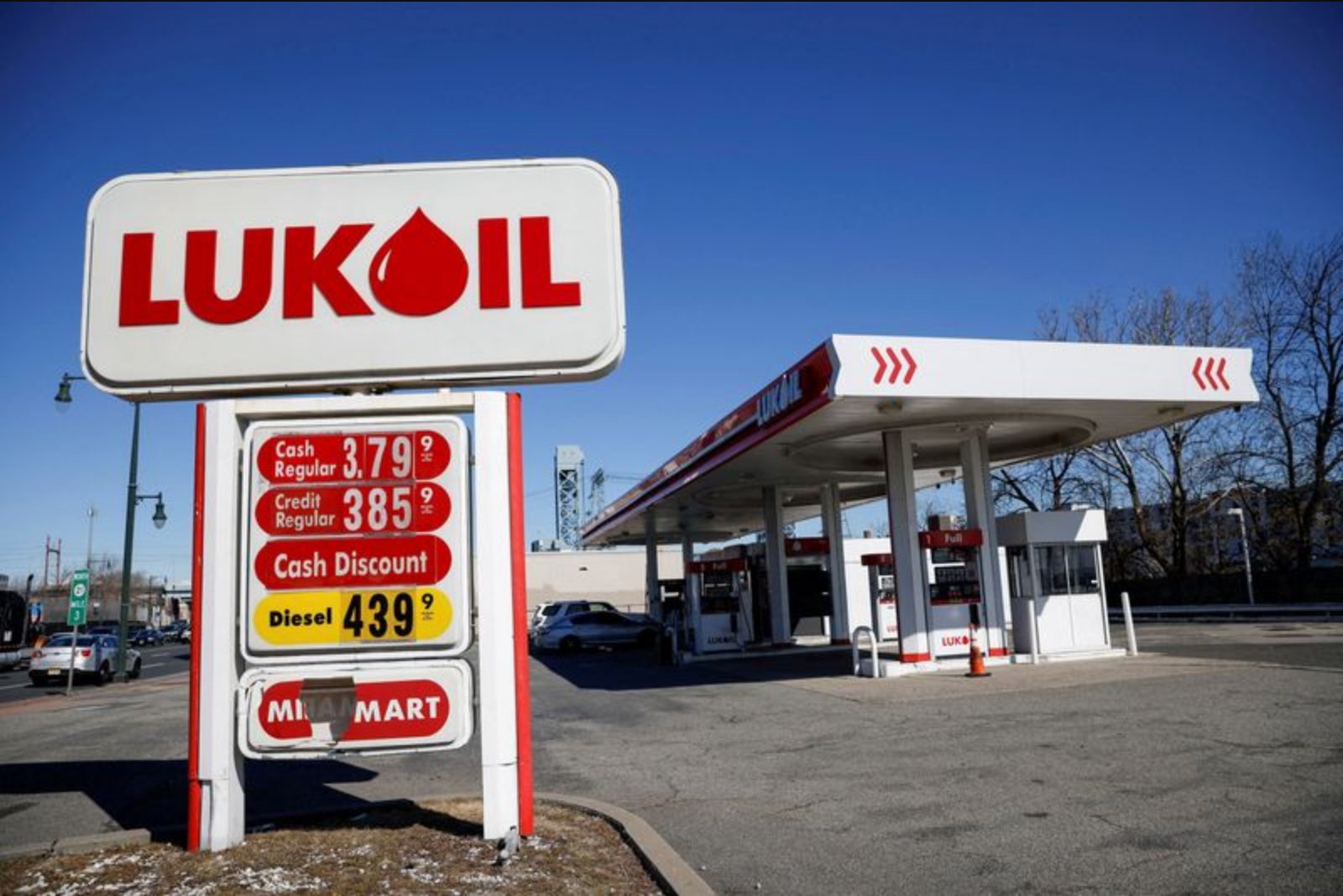
The U.S. Treasury Department announced on Wednesday that it has extended the timeline for prospective buyers to complete deals on the foreign assets of Lukoil, Russia's second-largest oil producer. The agency pushed the deadline back by roughly a month, moving the cutoff from May 1 to May 30.
These international assets were placed on the market following U.S. sanctions imposed in October on both Lukoil and state-owned Rosneft. The sanctions were framed as measures tied to the role these companies' revenues play in supporting the more than four-year war in Ukraine. Since October, the Treasury has delayed the deadline for concluding transactions on this portfolio approximately five times.
Valued at about $22 billion, Lukoil's international holdings span oilfields, refineries and retail networks, with assets located from Iraq to Finland. The forced divestiture has drawn interest from a range of bidders - the field of suitors includes major U.S. oil company ExxonMobil and, according to filings and reports, parties as diverse as a former owner of Pornhub. More than a dozen bidders have expressed interest in pieces of the portfolio.
The Treasury's conditions for any approved transaction remain strict. Buyers are barred from providing any upfront payment to Lukoil. Instead, all proceeds from a completed deal must be deposited into a frozen account under U.S. jurisdiction. In addition, any prospective transfer requires final authorization by the Treasury Department's Office of Foreign Assets Control.
The extension to May 30 provides additional time for negotiation and for potential buyers to structure offers that meet those Treasury-mandated safeguards. It also prolongs the period of uncertainty surrounding the disposition of a significant overseas oil portfolio and the eventual ownership of refining and retail assets across several countries.
Summary
The Treasury has extended the deadline for deals on Lukoil's international assets to May 30 from May 1. The assets were placed on the market after U.S. sanctions in October on Lukoil and Rosneft, and are valued at about $22 billion. Any approved sale must place proceeds in a frozen U.S.-jurisdiction account and secure final approval from the Office of Foreign Assets Control.
Key points
- Deadline extended to May 30 - giving buyers additional time to negotiate and meet Treasury conditions.
- Asset package includes oilfields, refineries and gas stations across jurisdictions from Iraq to Finland, with an estimated value of about $22 billion.
- Process has attracted more than a dozen bidders, ranging from ExxonMobil to a former owner of Pornhub; all deals require proceeeds to be frozen and final OFAC approval.
Risks and uncertainties
- Regulatory approval risk - transactions must obtain final sign-off from the Treasury Department's Office of Foreign Assets Control, creating the potential for deals to be delayed or denied, which affects the energy and M&A sectors.
- Proceeds management - the requirement that no upfront payment be made and that all proceeds be held in a frozen account under U.S. jurisdiction introduces financial and operational uncertainty for bidders and the institutions that would handle escrow, impacting banking and transaction services.
- Timeline uncertainty - the Treasury has extended this deadline roughly five times since the sanctions were imposed in October, prolonging uncertainty for buyers, sellers and the markets that follow international oil asset ownership.
Tags: sanctions, energy, M&A, Russia, Treasury