
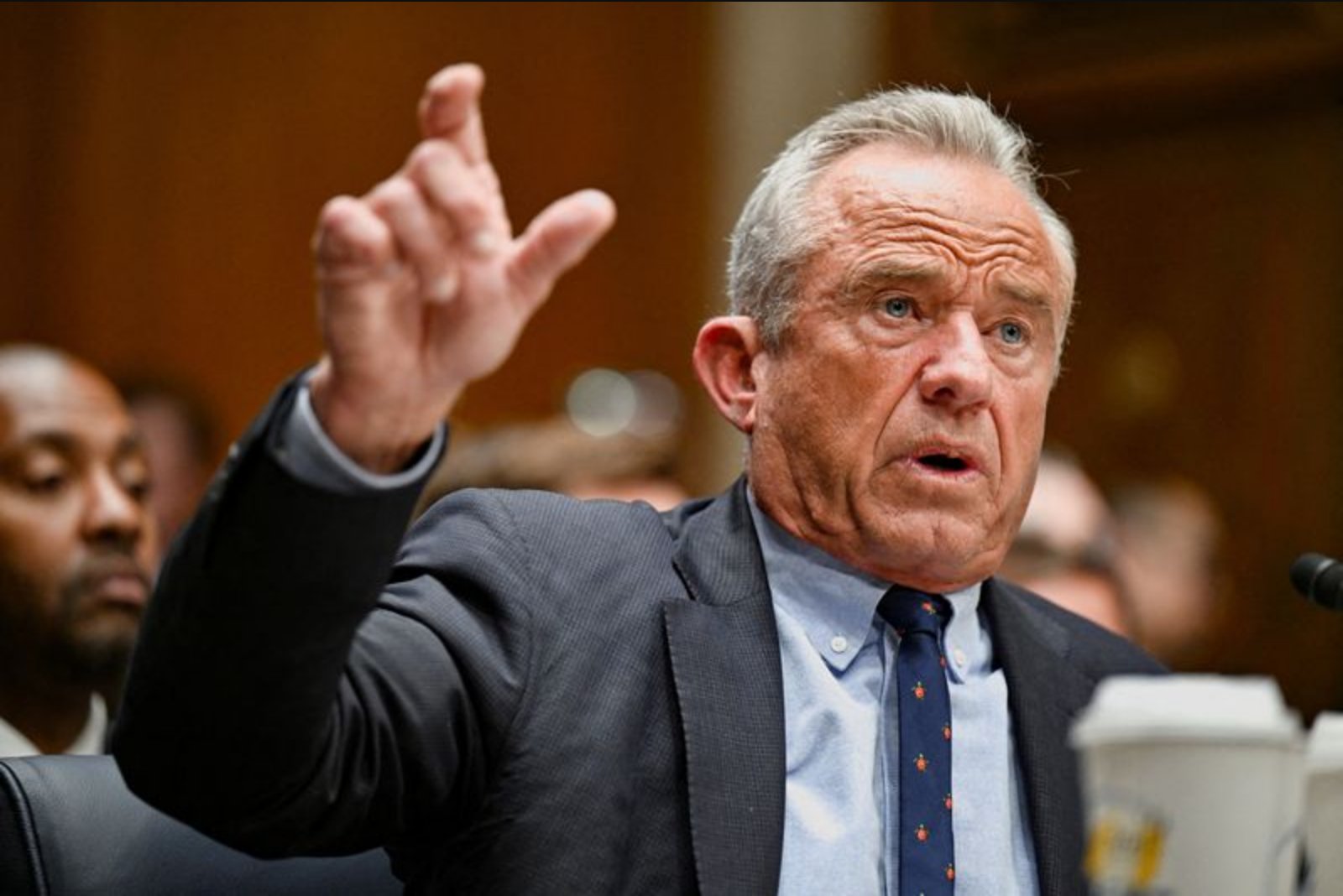
Federal officials filed a notice on April 29 indicating they will seek review of a March 16 decision by U.S. District Judge Brian Murphy that blocked significant elements of Health and Human Services Secretary Robert F. Kennedy Jr.'s initiative to rewrite U.S. vaccine policy.
At the center of Murphy's order was the composition and conduct of the Advisory Committee on Immunization Practices, the Centers for Disease Control and Prevention panel that helps shape vaccine recommendations and, by extension, coverage decisions by insurers. The judge concluded the committee had been improperly reconstituted after Kennedy removed and replaced all 17 independent experts who previously served on the panel, and that 13 members he selected were chosen through what the judge characterized as a "tainted" process.
As a result of the ruling, Murphy barred those 13 appointees from serving and set aside prior votes the committee had taken. Those earlier votes included measures to downgrade recommendations for certain vaccines, notably the hepatitis B shot for newborns and broader recommendations for COVID-19 vaccines. The judge’s decision also forced the CDC advisory committee to postpone a meeting that had been scheduled to begin two days later.
The legal challenge was brought by the American Academy of Pediatrics along with other medical organizations. The plaintiffs argued that steps taken under Kennedy jeopardized public health. They specifically contended that on January 5 the CDC unlawfully reduced the number of routinely recommended childhood vaccinations to 11 and downgraded the immunization recommendations for six diseases, naming rotavirus, influenza and hepatitis A among them.
Lawyers representing the Department of Justice countered that HHS welcomes debate about vaccine policy, and that Kennedy and the officials under him possess broad authority to change federal vaccine guidance in response to what they described as waning public trust in vaccines after the COVID-19 pandemic. The court, however, sided with the plaintiffs on the procedural issue — finding that the CDC did not have the authority to make unilateral changes to the immunization schedule on January 5 without consulting the advisory committee whose recommendations inform U.S. practice and insurance coverage.
Judge Murphy, who was appointed by President Joe Biden, said Kennedy had not complied with federal law governing the required balance of such panels and that, in selecting new members, the secretary paid "little to no attention" to those statutory requirements. Murphy described several of the appointees as "distinctly unqualified" for a committee intended to be staffed by vaccine and immunization experts.
The appeal now moves to the 1st U.S. Circuit Court of Appeals in Boston. That court, which will review Murphy’s legal determinations, is noted in filings as having a bench with a majority of judges appointed by Democratic presidents. Any ruling by the appellate court could in turn be taken to the U.S. Supreme Court.
The administration had signaled it intended to challenge Murphy’s ruling. Acting U.S. Attorney General Todd Blanche used social media to describe the order as "lawless" and an "activist decision." Murphy has previously been criticized by President Donald Trump and administration allies for issuing injunctions that have stymied several administration initiatives, including aspects of the president’s immigration agenda.
The dispute highlights a legal and procedural fight over who may reshape federal vaccine guidance and how alterations to the immunization schedule must be arrived at. Plaintiffs emphasized risks to public health from the administration's changes, while Justice Department lawyers argued for broad executive flexibility to respond to shifting public confidence in vaccines.
With the appellate process now engaged, the status of the immunization schedule and the roles of the CDC advisory committee members remain in legal limbo. The outcome of the appeal will determine whether the judge’s bar on most appointees and his vacatur of earlier committee votes will stand.
Legal and procedural timeline
- January 5 - CDC changed the number of routinely recommended childhood vaccinations to 11 and downgraded recommendations for six diseases, according to the plaintiffs.
- March 16 - U.S. District Judge Brian Murphy issued an order finding the advisory committee unlawfully constituted and blocking 13 members from serving; he also set aside earlier votes taken by the panel.
- April 29 - The U.S. Department of Justice filed notice of its intent to appeal Murphy’s ruling to the 1st U.S. Circuit Court of Appeals.