
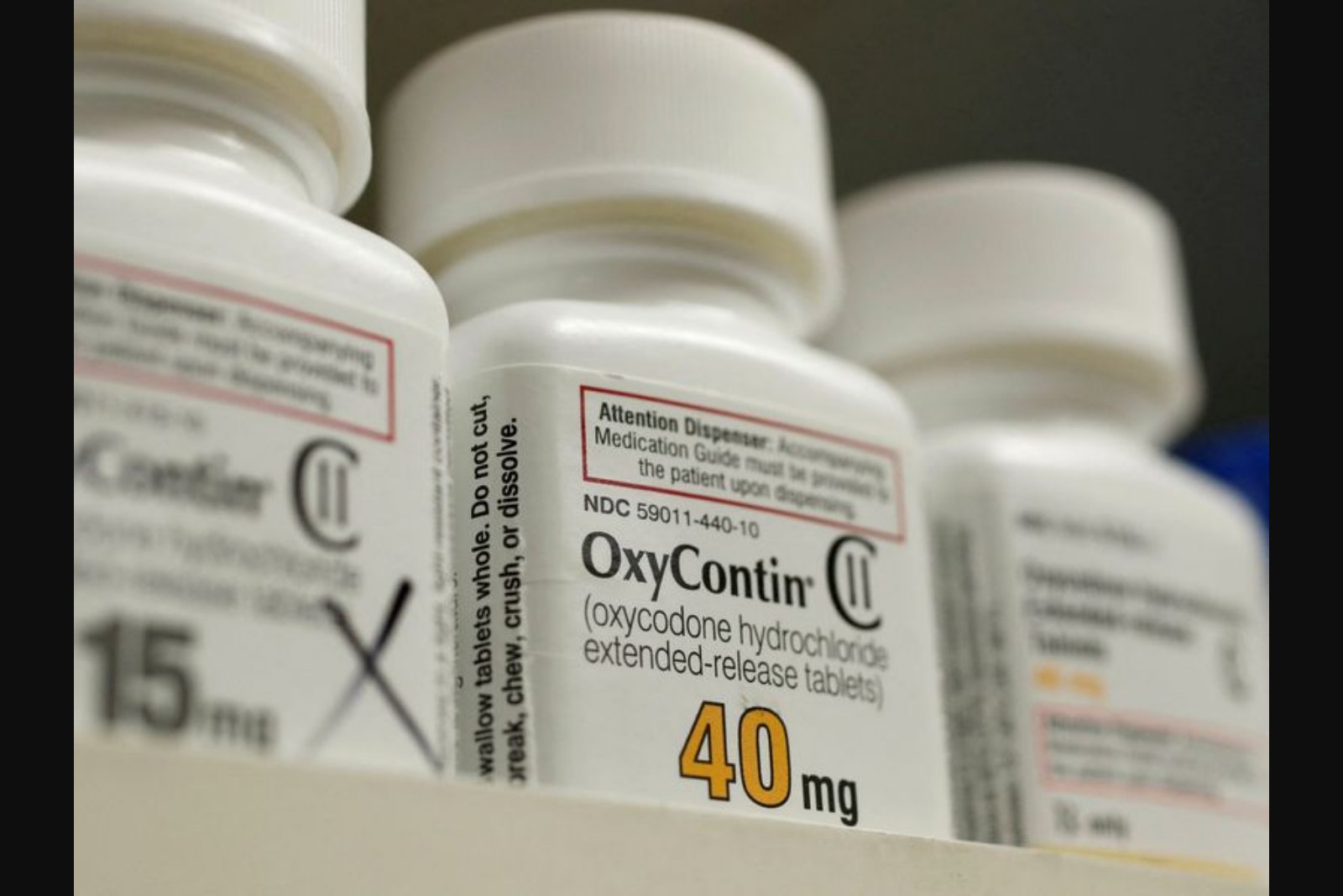
Purdue Pharma said it has ended corporate operations and finalized its bankruptcy process, reconstituting itself as a nonprofit entity named Knoa Pharma that will focus on treating opioid addiction. The move follows a Chapter 11 filing in 2019 and implements terms of a $7.4 billion settlement intended to devote the company’s assets to responding to harms associated with the opioid crisis.
The transition to Knoa Pharma had been a central component of Purdue’s bankruptcy plan. Company officials said the new nonprofit will be governed by a board with experience in government and the health sector and will market medicines used for overdose reversal and treatments for opioid use disorder at or below production cost.
Federal criminal proceedings played a key role in clearing the way for the reorganization. Purdue pleaded guilty in 2020 to charges that it misled federal regulators about efforts to prevent illegal use of OxyContin and admitted to paying kickbacks to doctors to boost sales. The company had earlier pleaded guilty in 2007 to charges that it misled doctors and regulators about the drug’s addictive properties. The company’s criminal sentencing, completed earlier this week, removed the final legal obstacle to the bankruptcy plan becoming effective.
Many victims of the opioid epidemic addressed the court during sentencing, recounting experiences of addiction, loss, and grief at Purdue’s sentencing hearing on Tuesday. At the same time, a review of court filings and interviews with victims revealed deep dissatisfaction with how the bankruptcy settlement handles payments to claimants. Roughly 40% of individual claims have already been rejected under the current claims-review process.
Under the terms of the settlement, most of the $7.4 billion will flow to state and local governments that have borne public costs related to opioid addiction. A separate allocation of $865 million is set aside specifically for individual claimants who became addicted to opioids or who lost family members to addiction.
The trustees selected to oversee Knoa Pharma include Rahul Gupta, who led the White House Office of National Drug Control Policy under President Joe Biden; Paul Rothman, the former CEO of Johns Hopkins University School of Medicine; and David Saltzman, co-founder of the Atria Health and Research Institute. Those trustees will be responsible for directing the nonprofit’s operations and ensuring medicines for overdose reversal and addiction treatment are available at or below cost.
Paul Rothman, one of Knoa’s trustees, said in a statement, "Through not-for-profit access to overdose reversal medicines and treatments for opioid use disorder, Knoa Pharma is committed to providing care and saving lives in communities most affected by the opioid crisis."
The completion of sentencing and the reorganization concludes a lengthy legal process prompted by thousands of lawsuits alleging Purdue’s role in fueling the opioid epidemic. While the new nonprofit structure centralizes the company’s remaining resources toward treatment and overdose reversal, questions remain among victims and their advocates about the speed and fairness of compensation under the settlement framework.
Context and next steps
Knoa’s trustees will oversee production and pricing strategy for approved medicines intended to reach communities deemed most affected by the opioid crisis. The allocation of settlement funds to governments and individual claimants outlines the primary distribution plan, but the rejection rate of individual claims highlights ongoing administrative and legal challenges for those seeking compensation.