
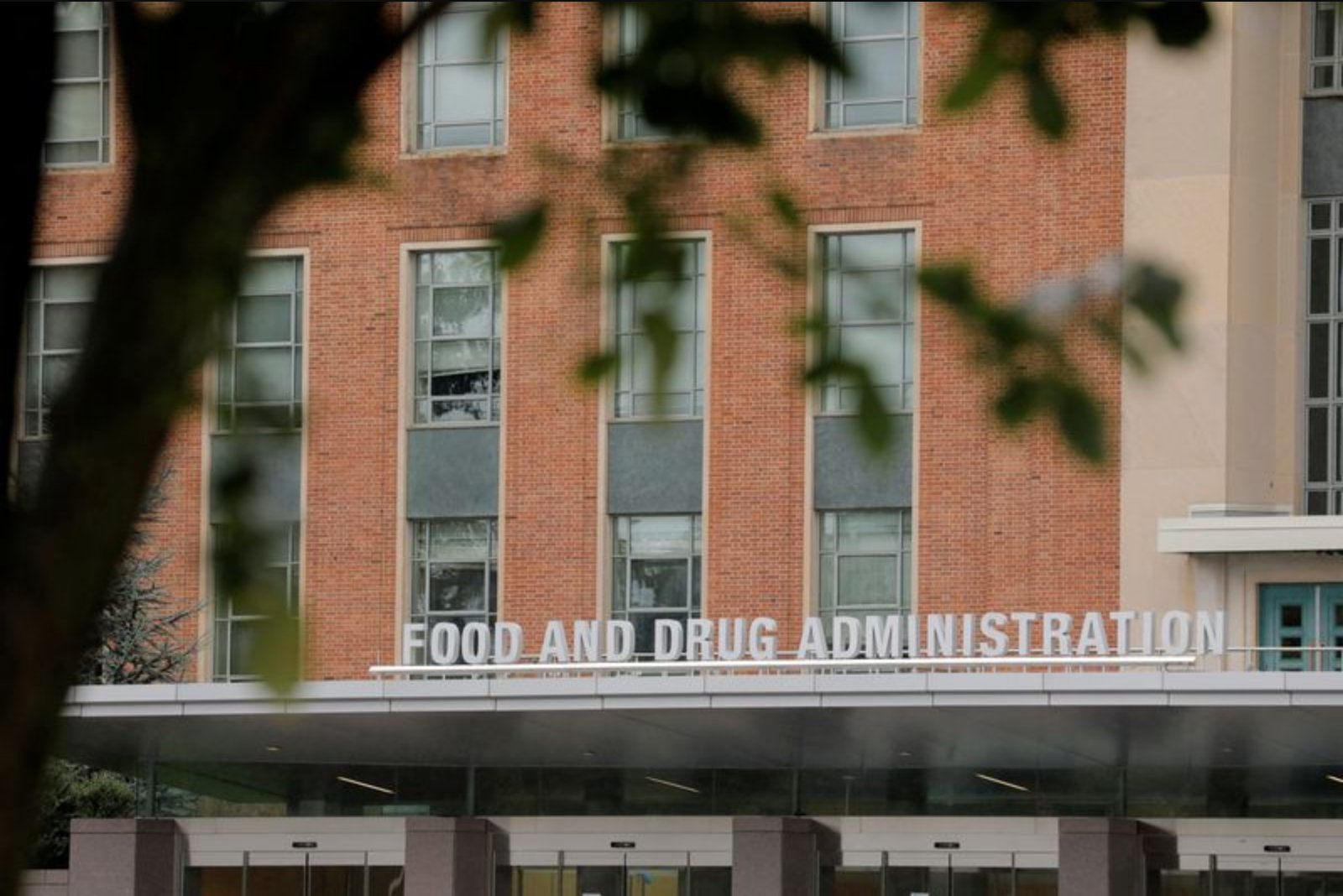
The U.S. Food and Drug Administration has installed Katherine Szarama as the acting director of its vaccines and biologics unit, Politico reported on Thursday. Szarama takes the helm at the Center for Biologics Evaluation and Research (CBER) following the departure this week of Vinay Prasad.
The Department of Health and Human Services, the department that oversees the FDA, did not immediately respond to a request for comment from Reuters, the report said. FDA Commissioner Marty Makary has previously indicated that no decision has been made regarding a permanent replacement for Prasad and said he expected an announcement "in the coming weeks."
CBER is responsible for regulating vaccines, gene therapies and the blood supply. Szarama, who holds a PhD, assumed the acting director role after serving since December as CBER deputy director, a position in which she reported to Prasad.
Before joining the FDA staff, Szarama worked at the Centers for Medicare and Medicaid Services from 2016 to 2019 and later held roles at the Emerson Collective and Arnold Ventures.
Her elevation comes as Vinay Prasad departs the agency after a tenure described by observers as turbulent and marked by a string of contentious decisions involving rare disease drugs and vaccines. Prasad, an oncologist by training, had been an outspoken critic of certain U.S. drug and vaccine policies, including measures tied to COVID-19 mandates, prior to his time at the agency.
Prasad's period leading CBER featured repeated clashes with industry and stakeholders. The most prominent recent dispute involved the FDA's rejection of a Huntington's disease gene therapy developed by Dutch drugmaker UniQure NV. The regulator requested an additional study to support approval of the treatment for the rare neurological disorder. UniQure and patient advocates countered that the requested study requirements were overly lengthy and burdensome for patients, while HHS accused the company of misleading the public about what regulators had required.
Prasad had previously resigned abruptly in July of last year, stating he did not want to become a distraction; he was reinstated slightly more than a week later. Szarama now steps into the acting leadership position at CBER at a time when both internal leadership questions and external disputes over regulatory decisions remain active.
Background and role:
- CBER oversees regulation of vaccines, gene therapies and the blood supply.
- Szarama joined FDA as CBER deputy director in December and has a PhD and prior experience at CMS, Emerson Collective and Arnold Ventures.
Recent developments:
- Vinay Prasad left the agency after a contentious tenure characterized by high-profile regulatory decisions.
- The FDA requested additional study data from UniQure for a Huntington's disease gene therapy; the company and patient groups criticized the request, and HHS accused the company of misleading the public about regulatory expectations.
- Commissioner Makary said no permanent choice for Prasad's successor has been made and an announcement was expected "in the coming weeks."