
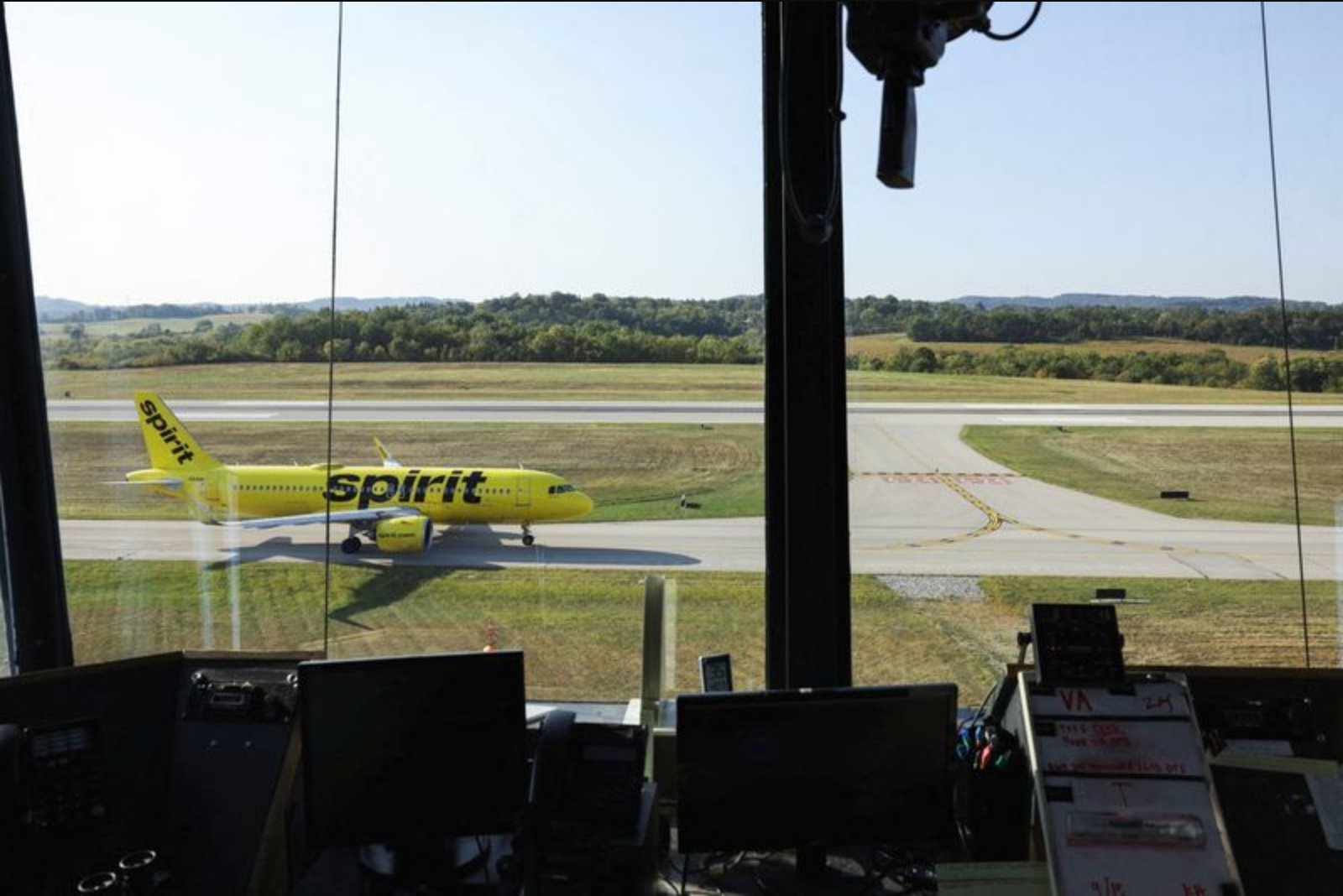
Shares of JetBlue Airways and Frontier Airlines rose in early trading on Monday, reflecting investor expectations that both carriers can absorb demand and gain market share following the sudden shutdown of Spirit Airlines. JetBlue shares climbed roughly 5% while Frontier advanced about 4% in premarket activity.
The bankrupt carrier Spirit ended operations on Saturday and initiated a structured wind-down after failing to secure creditor support for a U.S. government bailout plan. The airline’s closure - described in reports as the industry’s first casualty tied to the Iran war - concluded a 34-year run built on a no-frills model that, according to market observers cited in reporting, lost appeal after the pandemic as more leisure travelers favored greater comfort.
Industry analysts and rivals said Spirit’s exit could relieve some of the intense fare competition that has compressed margins across the U.S. airline industry, particularly in vacation-focused corridors such as Florida. Spirit had 4,119 domestic flights scheduled between May 1 and May 15, offering 809,638 seats, according to data from aviation analytics firm Cirium. Those flights and seats represent near-term points of demand that competing carriers can address as the market reorganizes.
Competitive dynamics and route overlap
Frontier, historically Spirit’s closest peer in the ultra-low-cost segment, had already been expanding into markets where Spirit reduced capacity during bankruptcy proceedings, picking up price-sensitive travelers attracted to lower fares. JetBlue, meanwhile, has been noted for attracting customers who trade up from ultra-low-cost offerings, particularly on overlapping routes.
Both carriers were once bidders for Spirit. Frontier made the first move in early 2022 with a cash-and-stock merger proposal. JetBlue later outbid Frontier and reached a $3.8 billion agreement to acquire Spirit, but that merger was blocked by a federal judge on antitrust grounds in January 2024. The failed deal left both airlines positioned differently in relation to Spirit’s network and customer base.
TD Cowen analyst Tom Fitzgerald is quoted as assessing the competitive landscape, writing that the Blue Sky partnership between United and JetBlue may be best positioned to capture Spirit’s revenue over time. Fitzgerald added that while Frontier aligns most directly with Spirit’s ultra-low-cost model and overlaps on routes, the Blue Sky loyalty utility could offer a more appealing value proposition in markets like Fort Lauderdale, Orlando and Newark.
Immediate actions and capacity plans
JetBlue moved quickly to assist stranded Spirit passengers by offering $99 rescue fares. The carrier also announced plans for a material expansion at Fort Lauderdale-Hollywood International Airport, which had been Spirit’s largest hub. JetBlue said it would add service to 11 new cities and expects to operate nearly 130 daily departures from Fort Lauderdale this summer - the largest operation the airline has run from that airport - which the carrier described as more than a 75% increase in daily flights compared with 2025.
These steps underline how incumbent carriers can deploy distribution and pricing tools to capture displaced demand and rebuild network feeds into their hubs. For Frontier, closer alignment with Spirit’s product and customer profile suggests it could attract a meaningful share of price-sensitive passengers, while JetBlue’s strategy focuses on layering its network and loyalty features into former Spirit strongholds.
Market implications
The immediate market reaction - modest share gains for JetBlue and Frontier - reflects investor judgments that some combination of capacity reallocation, targeted fares and route expansion can offset parts of the disruption caused by Spirit’s exit. How much revenue is retained by specific competitors and how quickly pricing stabilizes will depend on carrier actions in the coming weeks as the industry digests the seats and schedules Spirit had planned.