
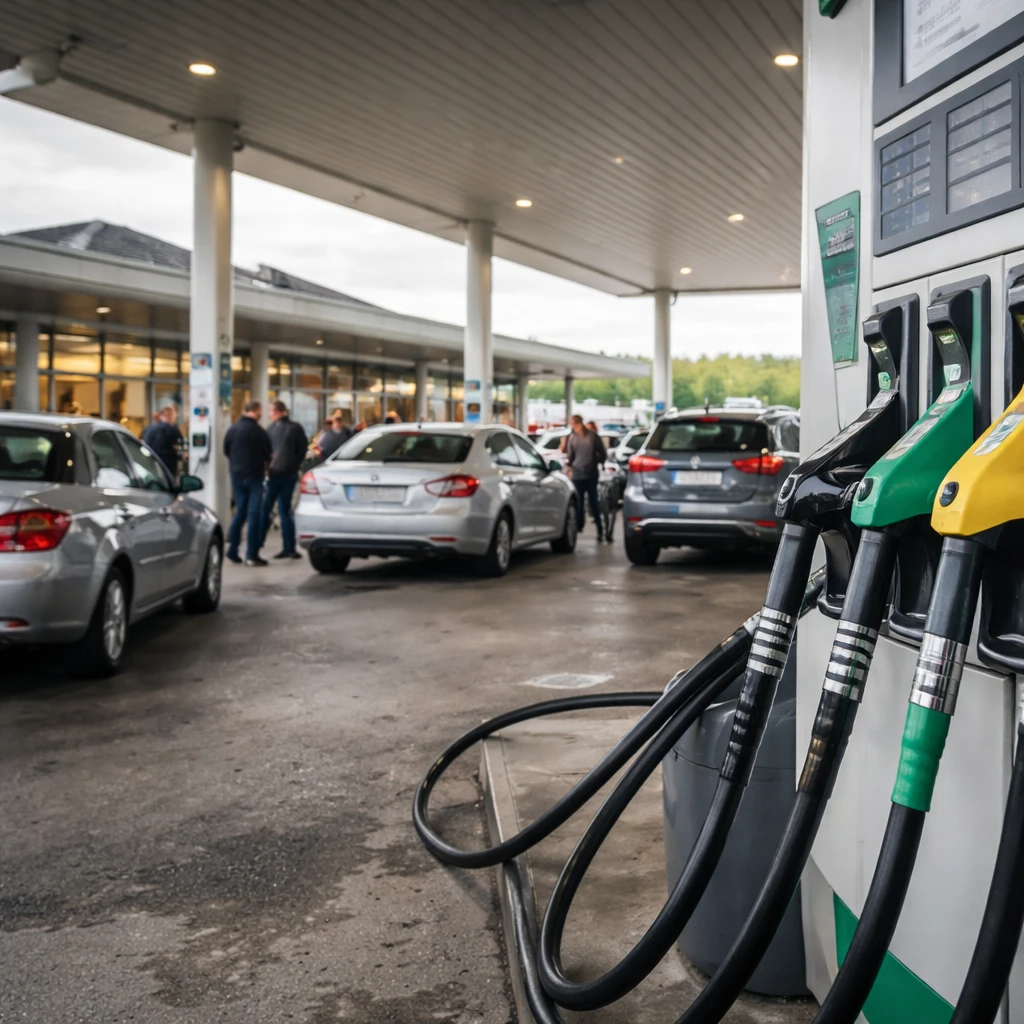
Germany has enacted a short-term reduction in its energy tax on petrol and diesel and Finance Minister Lars Klingbeil has called on oil companies to ensure the savings reach consumers. The measure - a cut of roughly 0.17 euros per litre - is part of a broader package designed to ease the burden from a surge in global energy prices that the government links to the Iran war.
The government estimates the tax reduction will deliver relief of around 1.6 billion euros, equivalent to approximately $1.88 billion. The cut came into effect on Friday and is scheduled to remain active throughout May and June.
Klingbeil emphasized the responsibility of fuel suppliers in an interview, saying the oil companies must accept their responsibility and pass on the benefits of the tax relief to consumers. The comment underscores the government’s expectation that the policy will translate directly into lower pump prices for motorists rather than being absorbed into industry margins.
Officials framed the tax cut as a targeted response to the current energy price disruption, which is affecting numerous economies worldwide. The German government singled out the Iran war as the cause of the recent shock to global energy markets that has pressured prices higher.
Germany, Europe’s largest economy, has faced a difficult economic backdrop as it attempts to regain momentum following the pandemic. The report notes high costs and competition from China are weighing on Germany’s export-focused model, and the energy price disruption adds further strain.
The political context for the measure is notable. Klingbeil’s Social Democratic Party suffered significant losses in March state elections. Together with Chancellor Friedrich Merz’s conservatives, the party faces a mounting challenge from the far-right Alternative for Germany, which has been described as surging in opinion polls. Those political pressures form part of the environment in which the temporary tax reduction was introduced.
"The oil companies must accept their responsibility," Klingbeil said.
The short-term tax cut aims to provide immediate consumer relief while broader market forces continue to exert upward pressure on energy costs. The government’s move and the minister’s public admonition of oil companies make clear the intention that the fiscal measure should have a tangible, direct effect at the pump during the months it is in force.