
Stock Markets April 30, 2026 02:40 AM

European Futures Slip as Middle East Tensions and Central Bank Moves Weigh on Risk Appetite

Markets react to a reported U.S. briefing on possible action against Iran while investors await ECB and BoE decisions

By Avery Klein
European Futures Slip as Middle East Tensions and Central Bank Moves Weigh on Risk Appetite

European equity futures tumbled more than 1% as a report that the U.S. was considering further military action against Iran pushed oil sharply higher and damped risk sentiment. Traders are also focused on rate decisions from the European Central Bank and the Bank of England later in the day, after a hawkish tone from the U.S. Federal Reserve pushed Treasury yields up and pressured global bonds.

Key Points

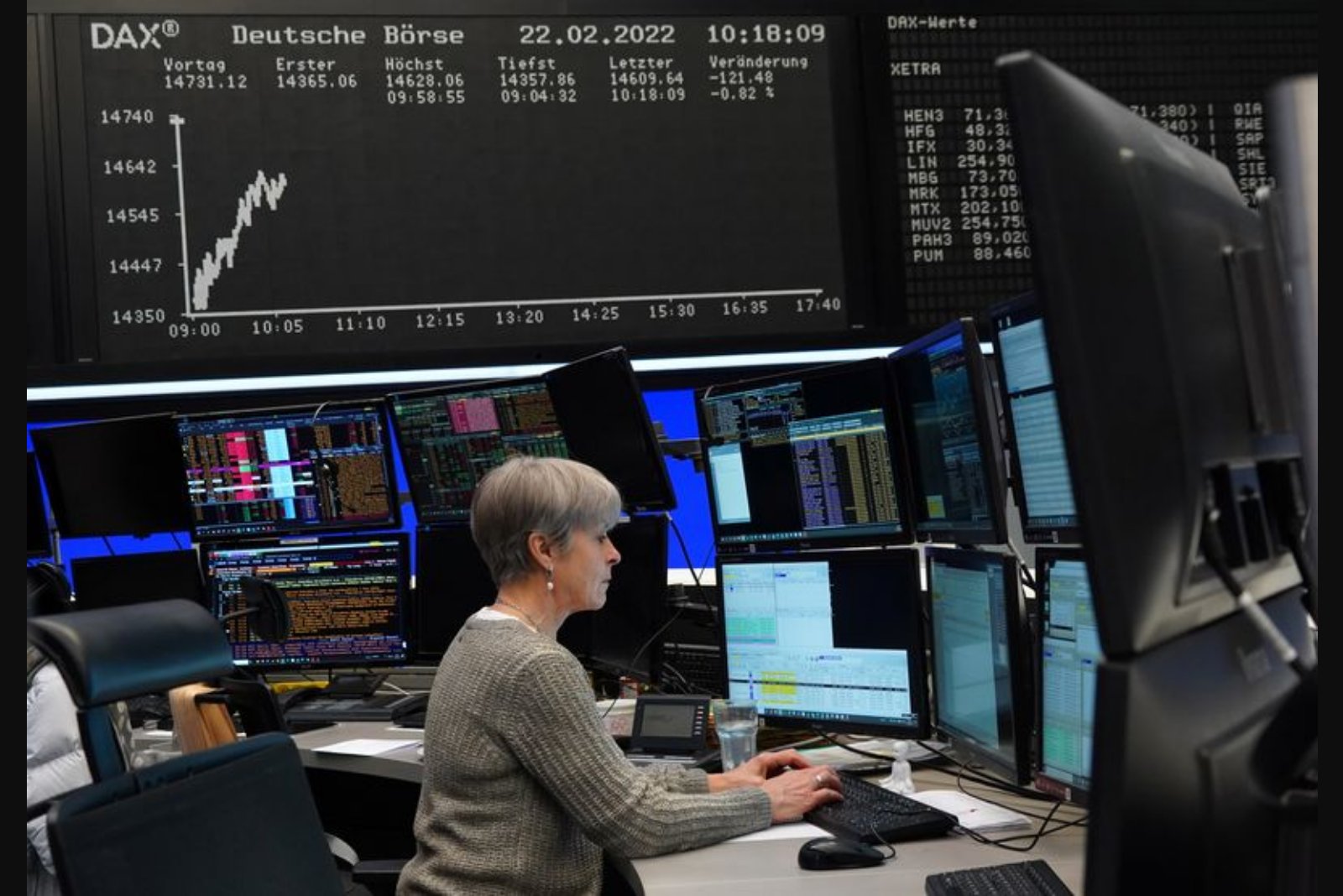
  • European futures were down over 1%, with STOXX 600 futures 1.3% lower as of 0623 GMT; DAX and CAC 40 futures fell 1.3% and 1.1% respectively.
  • Oil prices surged up to 7% to $125 a barrel after a report that President Donald Trump would receive a briefing on possible military plans aimed at breaking a U.S.-Iran negotiating deadlock.
  • Investors awaited rate decisions from the ECB and the BoE later in the day, with both central banks widely expected to keep rates on hold and the ECB likely to signal a potential June rate hike to address energy-driven inflation.

April 30 - European stock futures dropped by over 1% on Thursday, while oil prices climbed following a report that the U.S. was weighing additional military action against Iran. Investors were also preparing for monetary policy announcements from the European Central Bank and the Bank of England later in the day.

As of 0623 GMT, futures tied to the pan-European STOXX 600 index were down 1.3%. Contracts tracking Germany's DAX and France's CAC 40 were lower as well, down 1.3% and 1.1% respectively.

Market participants said a halt in negotiations between the U.S. and Iran had eroded risk appetite, contributing to a recent run of declines for European equities. The pan-European Stoxx 600 had closed at a three-week low on Wednesday. If the current momentum continues, the benchmark would record a fifth straight session of losses.

Oil reacted strongly to the geopolitical headline. Prices rose as much as 7%, reaching $125 a barrel, after a report indicated that U.S. President Donald Trump was due to receive a briefing from a military commander on new plans for potential military action intended to break the negotiating deadlock with Iran.

Beyond the geopolitical shock, central bank watchers were weighing upcoming decisions from the ECB and the BoE. That focus intensified after the U.S. Federal Reserve took a hawkish stance that sent Treasury yields higher and exerted pressure on global bond markets.

Both the ECB and the BoE were widely expected to leave interest rates unchanged when they announce their decisions later in the day. Market commentary suggested the ECB is likely to signal that a rate increase could be in prospect as soon as June, citing the need to counteract inflationary pressures stemming from higher energy costs.


Context and market implications

The combination of renewed Middle East tensions and central bank communications has translated into immediate volatility across energy and financial markets. Higher oil prices are likely to feed into inflation dynamics, a point markets expect central banks to monitor closely. Meanwhile, rising Treasury yields following the Fed's tone have increased scrutiny of global bond markets ahead of European policy announcements.

Traders and portfolio managers are therefore navigating a market environment where geopolitical developments and central bank signaling are jointly influencing equities, energy, and fixed income.

Risks

  • Escalation of U.S.-Iran tensions could sustain higher energy prices, impacting the energy sector and feeding into broader inflationary pressures felt across economies.
  • A hawkish stance from central banks or unexpected shifts in policy signals could keep Treasury yields elevated and continue to weigh on global bond markets and interest-rate-sensitive sectors.
  • Prolonged risk-off sentiment in equities could extend the run of declines for major European benchmarks, affecting financial services and other cyclical sectors exposed to market volatility.

More from Stock Markets

Brockman Reveals Near-$30 Billion OpenAI Stake and Financial Links to Altman During Musk Trial May 4, 2026 California Launches Probe into Federal Deal That Scrapped Central Coast Offshore Wind Project May 4, 2026 Pilots Union Praises Kirby’s Merger Vision, Stops Short of Endorsing Deal May 4, 2026 Embraer Sees Follow-On Middle East Defense Sales After UAE C-390 Agreement May 4, 2026 Intel hires long-serving Qualcomm executive to oversee PCs and physical AI unit May 4, 2026