
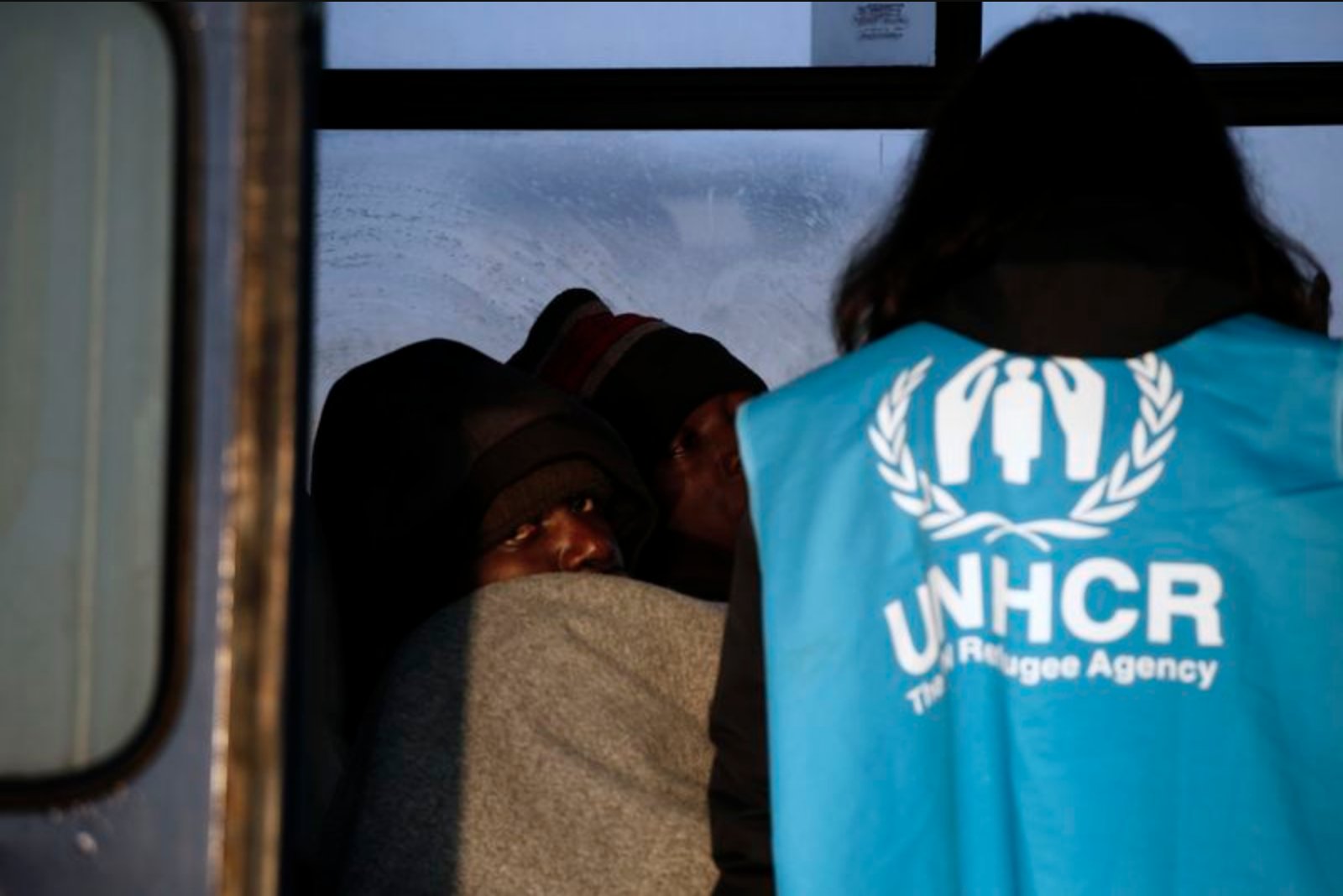
The U.N. refugee agency has advised member states that it faces further personnel reductions and urgent organisational changes as it contends with dwindling funds and shifts in donor priorities. In a letter dated May 15, High Commissioner Barham Salih said the agency expects available funds for 2026 to total just over $3 billion, around 15% below the level seen in 2025.
Salih said the agency already announced thousands of job cuts last year and now has “no choice” but to prepare for additional reductions as resources tighten and international aid spending falls. The funding gap comes even as the total number of people displaced by conflict and persecution worldwide continues to rise.
"It is becoming increasingly clear that our projected financial situation for this year requires us to take some urgent steps," Salih wrote in the May 15 letter. The agency, which assists people forced from their homes in Ukraine, Sudan and other conflict-hit countries, did not immediately respond to requests for comment on Monday.
UNHCR depends largely on voluntary contributions. The letter states the agency experienced a roughly 30% drop in available funding in 2025 compared with 2024, a decline the High Commissioner attributed to cuts by the United States and other donors and to some donors redirecting money to defence. The mismatch between staff and available posts has left many international employees in between assignments but still on payroll, creating additional cost pressures.
Salih warned that employees who have been unable to secure new positions will have their contracts terminated by the end of September. "Regrettably, we will then need to terminate the contracts of staff who have not been able to secure positions," he wrote.
He described the current setup as unsustainable. "This situation is not sustainable financially or operationally ... and carries significant financial cost for the organization, estimated at approximately $185 million over the 2026-2028 period," Salih added.
Separately, the World Health Organization has also signalled workforce reductions. WHO has said its staff will shrink by nearly a quarter - more than 2,000 jobs - by the middle of this year after its top donor, the United States, announced its departure. WHO Director-General Tedros Adhanom Ghebreyesus later told members that the agency's financial situation had stabilised and that 90% of its budget for the next two years had been funded.
In his letter, the UNHCR High Commissioner urged donor countries to shift toward more flexible funding arrangements. He highlighted that a larger share of donations are arriving with strict earmarks: such tightly earmarked contributions rose from 24% of income in 2024 to 44% in 2025 and are expected to exceed 50% in 2026, exacerbating the agency's ability to allocate resources where they are most needed.
Implications
- The agency’s planned cuts and financial shortfall come as displacement pressures grow, straining humanitarian response capacity in conflict zones.
- Rising earmarking of donations limits operational flexibility and may affect programme funding priorities across regions served by UNHCR.
- Parallel staffing pressures at other U.N.-affiliated organisations, such as WHO, reflect broader donor shifts with potential consequences for international humanitarian and health responses.