
Economy May 4, 2026 11:11 AM

UAE Issues Missile Alert as Ceasefire Strains and Shipping Moves Resume

A missile warning from the United Arab Emirates follows attacks on an ADNOC tanker and a US-led operation to reopen the Strait of Hormuz

By Marcus Reed
UAE Issues Missile Alert as Ceasefire Strains and Shipping Moves Resume

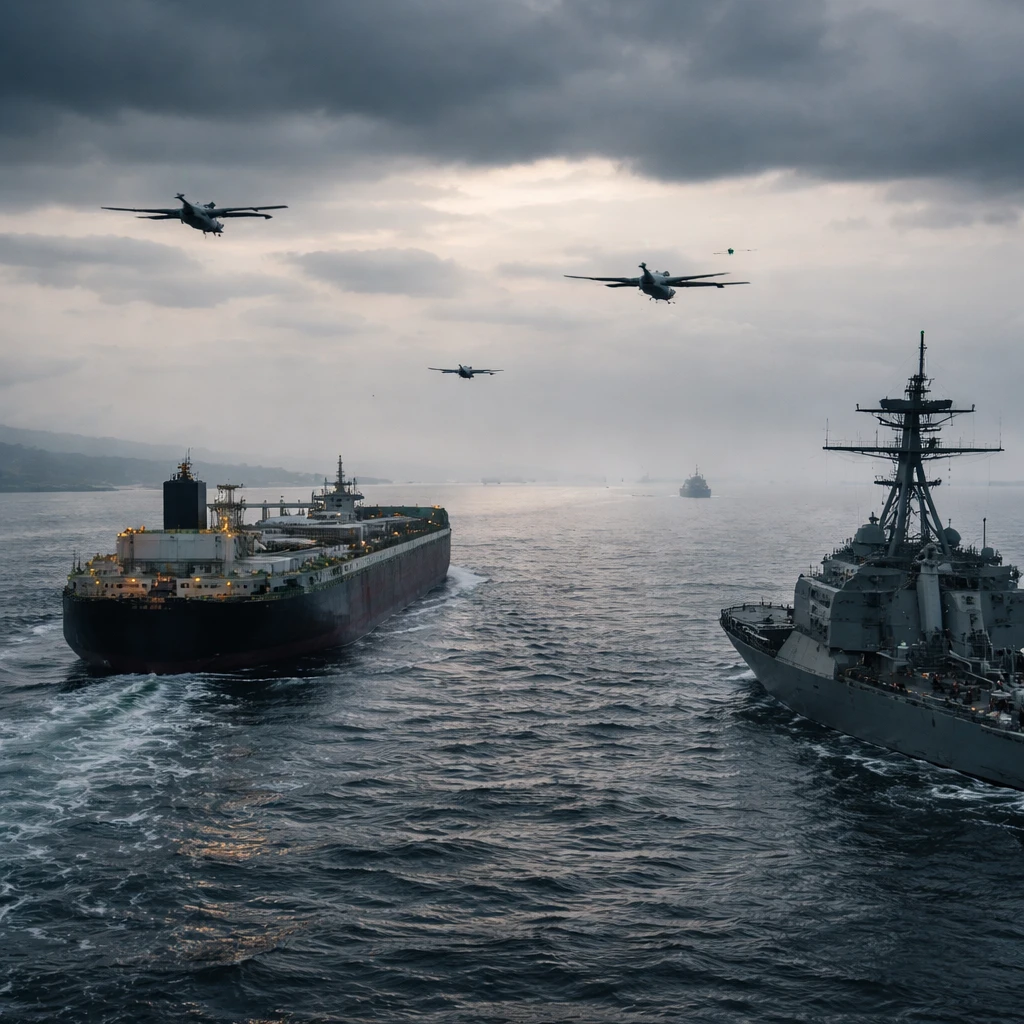
The United Arab Emirates issued a missile threat warning on Monday, the first since a ceasefire between the US and Iran was implemented about a month ago. The alert came after an Abu Dhabi National Oil Co. tanker was hit by Iranian drones outside the Strait of Hormuz. The US began operations to restore transit through the strait, deploying naval and air assets to help vessels exit the Persian Gulf, while Iran warned it would attack US forces that enter the waterway.

Key Points

  • The UAE issued a missile threat warning on Monday, the first since the US-Iran ceasefire began about one month ago - sectors affected: maritime security and national defense.
  • An ADNOC-owned oil tanker was struck by Iranian drones outside the Strait of Hormuz; the strait previously handled about one-fifth of global oil and LNG transit - sectors affected: energy and shipping.
  • The US began operations on Monday to restore transit through the strait with guided-missile destroyers, aircraft and drones, and two US-flagged merchant ships have passed through - sectors affected: naval operations and merchant shipping; Brent crude rose about 2.5% to just under $111 a barrel, impacting energy markets.

The United Arab Emirates issued a missile threat warning on Monday, marking the first such alert since a ceasefire between the US and Iran took effect roughly one month ago. The notice followed an incident in which an oil tanker owned by Abu Dhabi National Oil Co. (ADNOC) was struck by Iranian drones outside the Strait of Hormuz.

The Strait of Hormuz had previously carried about one-fifth of global oil and liquefied natural gas transit prior to the conflict that began in late February. The disruption to that route has been a central concern for global energy flows.

President Donald Trump announced on Sunday plans to re-establish transit through the waterway and to assist ships that have been unable to leave the Persian Gulf. The operation started on Monday with US military support, including guided-missile destroyers, aircraft and drones. The US military reported that two US-flagged merchant ships have already traversed the strait.

Iran warned that it would attack US forces if they enter the Strait of Hormuz. According to Iran's semi-official Fars news agency, the country's military fired warning shots at US Navy ships attempting to approach the strait, employing cruise missiles, rockets and combat drones.

Brent crude responded to the developments in the region, trading about 2.5% higher at just under $111 a barrel following the escalation.

The ceasefire that went into effect about a month ago has been part of diplomatic efforts intended to end a war that has led to thousands of deaths and has interrupted global energy supplies. The recent incidents - the tanker strike, the UAE missile warning and the US operation to reopen the strait - illustrate continuing strains on that ceasefire and ongoing risks to maritime traffic and energy markets.


Summary

The UAE issued a missile warning on Monday - the first since a ceasefire began about a month ago - after an ADNOC-owned tanker was hit by Iranian drones outside the Strait of Hormuz. The US launched an operation to restore passage through the strait and escort stranded vessels, deploying naval and air assets. Iran has warned it would attack US forces that enter the waterway and reported firing warning shots at US Navy ships.

Risks

  • Iran warned it would attack US forces if they enter the Strait of Hormuz, creating a risk of direct military confrontation that could further disrupt shipping - impacts: maritime security, naval forces, and insurance costs for shipping.
  • The strike on an ADNOC-owned tanker and subsequent missile warning signal ongoing threats to vessels in the region, maintaining uncertainty for energy shipments through a route that handled about one-fifth of global oil and LNG - impacts: energy supply chains and commodity markets.
  • Market volatility in oil prices, illustrated by Brent crude trading 2.5% higher, may persist while military and diplomatic developments evolve - impacts: energy markets and broader financial market sentiment.

More from Economy

One Year In: Merz Confronts Deepening Rift With Washington as Trade and Troop Tensions Rise May 4, 2026 Portugal Extends Naturalization Waiting Period as Immigration Hits Record Levels May 4, 2026 Think tank trims Russia growth outlook, says higher oil prices won't offset production losses May 4, 2026 Bolivia courts investors for first dollar bond offering in four years May 4, 2026 Economists Lift Mexico 2026 Inflation Outlook, Trim Near-Term Growth Forecast May 4, 2026