
Economy June 16, 2026 02:36 AM

Taiwan’s Lai vows to press on with defence spending after parliament trims budget

President says new legislation and budget measures will be used to secure drones, missiles and infrastructure after lawmakers cut portions of a $40 billion supplementary package

By Priya Menon
Share
Twitter Reddit Facebook LinkedIn

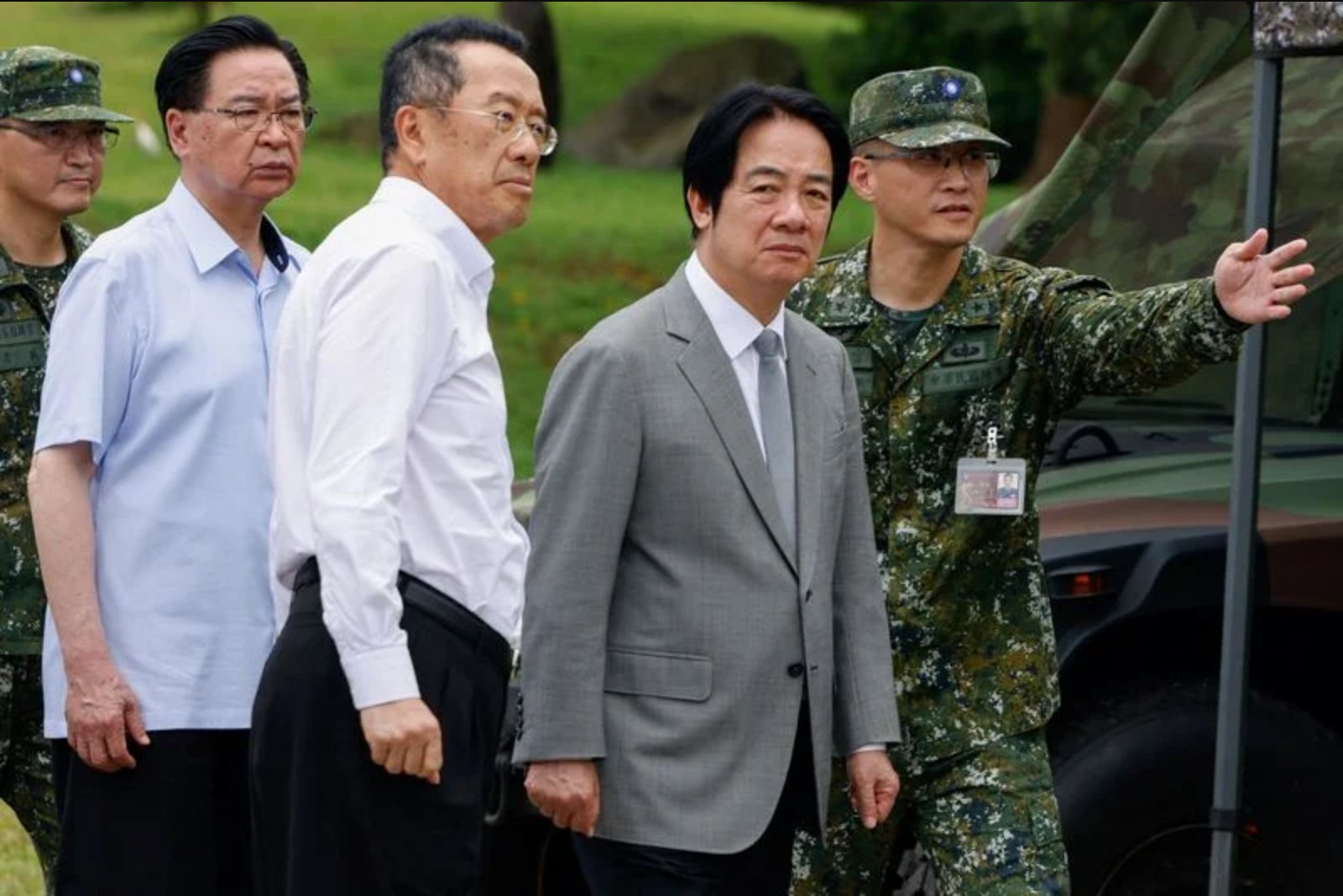
President Lai Ching-te said he will continue efforts to raise Taiwan's defence budget and find alternative legislative and budgetary routes after an opposition-led parliament approved only two-thirds of a $40 billion supplementary defence package, trimming funding for domestically produced drones and missiles. Lai stressed the need to sharpen combat training and leverage technologies such as drones as the island seeks to deter Chinese pressure.

Taiwan’s Lai vows to press on with defence spending after parliament trims budget
Summarize with
ChatGPT Perplexity Claude Grok Gemini

Key Points

  • Parliament approved two-thirds of a $40 billion supplementary defence budget, excluding funds for domestically made drones and missiles; this affects defence procurement and domestic defence manufacturers.
  • President Lai plans to pursue separate special legislation, supplementary budgets, and increases to the annual government budget to secure equipment and infrastructure funding, impacting government expenditure planning and defence contractors.
  • Taiwan aims to raise defence spending to 5% of GDP by 2030 from around 3% now, and will prioritise combat training and technology such as drones; the United States remains Taiwan's main backer and arms supplier.

Taiwan President Lai Ching-te said on Tuesday he will persist in efforts to bolster the island's defence budget after lawmakers in an opposition-majority parliament last month approved only two-thirds of a $40 billion supplementary defence package. The parliamentary approval left out funding for domestically manufactured drones and missiles that the government had prioritized as part of its modernisation plans.

Speaking at a military base in New Taipei, Lai framed the cuts as a challenge the administration will meet through other means. "Regarding the major cuts to the special national defence budget, we will not give up," he said. He outlined plans to pursue separate special legislation, to back the armed forces through further supplementary budgets, and to seek increases in the annual government budget to keep defence equipment and infrastructure projects moving forward.

Taiwan's military modernisation has emphasised drones and other asymmetric capabilities, but parliament authorised only the purchase of U.S. weapons and vetoed domestic procurement funds for drones and missiles. Lai argued the domestically produced systems are central to enhancing deterrence against China, which regards the democratically governed island as its territory.

On Taiwan's long-term spending goals, Lai said he wants to raise defence outlays to 5% of gross domestic product by 2030 from about 3% at present, a target he noted aligns with calls from the Trump administration for allies to boost their military spending. He also reiterated the role of the United States as Taiwan's principal international backer and arms supplier despite the absence of formal diplomatic ties.

Addressing operational priorities, Lai said that, given "rapidly changing regional circumstances", Taiwan's armed forces must refine combat training and make effective use of technologies such as drones. He referenced comments from the top U.S. diplomat in Taipei this month urging Taiwan to "spend smarter" on defence and to draw lessons from the use of drones in the Ukraine and Middle East conflicts to help preserve a military balance with China.

Later on Tuesday Lai toured key radar installations in the mountains around Taipei that monitor Chinese activity. Observing service personnel at work, he said: "I saw our servicemen and women monitoring aerial activity around the clock, identifying targets in the waters off northern Taiwan, and transmitting intelligence. Their work provides the most immediate and precise support for the overall defence response."

Risks

  • Budgetary shortfall for domestically produced drones and missiles due to parliamentary cuts, which could slow procurement and affect defence suppliers and the aerospace and manufacturing sectors.
  • Political friction between the executive and an opposition-majority parliament could delay legislation or funding measures, creating uncertainty for project timelines and defence industry cash flow.
  • A push to increase defence spending to 5% of GDP may require reallocation of public funds or higher future budgets, introducing fiscal pressures and budgetary trade-offs across government programs.

More from Economy

European stocks tick higher as markets weigh U.S.-Iran preliminary deal Jun 16, 2026 A Decade After the Vote, Two Brothers Share Disappointment Over Brexit's Promise and Pain Jun 16, 2026 BOJ Raises Rates to 31-Year High as Uchida Flags Oil Distribution Uncertainty Jun 16, 2026 Central Banks Increasing Gold Holdings, WGC Survey Finds Record Intentions Jun 16, 2026 RBA Pauses at 4.35% but Flags Possible Further Hikes if Inflation Persists Jun 16, 2026