
The Bank of Japan on Tuesday raised interest rates to a level not seen in 31 years, marking what officials described as another step in returning policy toward normal after a prolonged period of accommodation. The increase - the BOJ's first rate rise since December - was presented by policymakers as a move focused on dampening price pressures stemming from an energy shock linked to the Iran war.
Officials said the rate decision brings Japan closer in stance to other major central banks that have been tightening policy to confront inflation, and singled out the European Central Bank as an example of peers shifting toward higher rates.
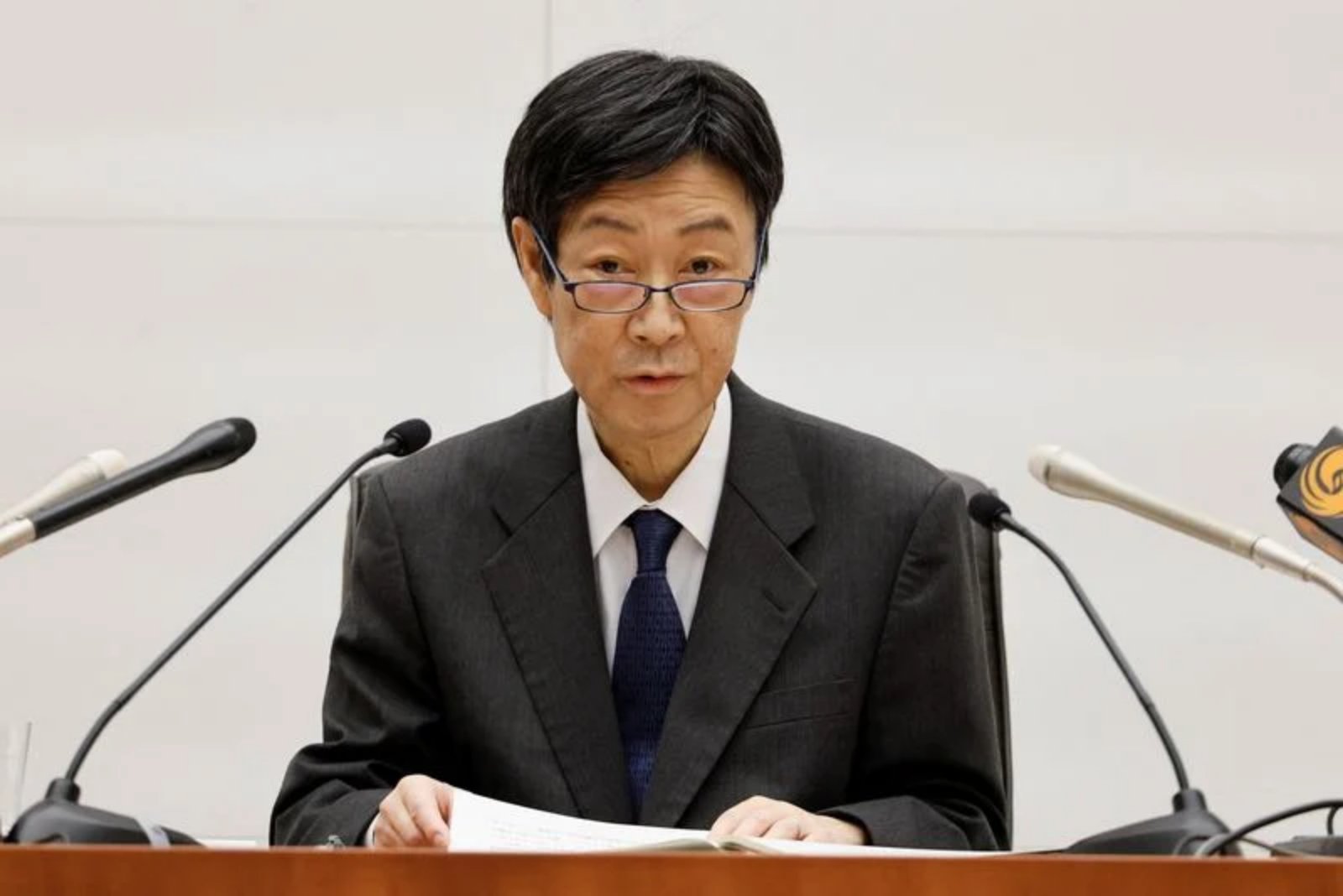
Deputy Governor Shinichi Uchida addressed the decision and related risks at his post-meeting news conference. The session was conducted in Japanese. Uchida commented on developments since the BOJ's prior meeting in April and on the outlook for oil distribution following a diplomatic memorandum.
"Compared with our previous meeting in April, the U.S. and Iran have signed a memorandum. That is a welcome move. Having said that, there is uncertainty on the pace of improvement in distribution (of oil)."
Uchida's remarks linked recent monetary tightening to efforts to contain price pressures that have arisen from disruptions to energy markets. The deputy governor acknowledged the memorandum between the United States and Iran as a positive development while stressing that the timing and speed at which oil supply and distribution normalize remain uncertain.
Policy-makers framed the rate increase as part of a broader recalibration of monetary settings after an extended period of lower rates. They emphasized the specific cause of near-term inflationary pressure in the Japanese context as an energy shock tied to geopolitical developments.
The BOJ's decision and Uchida's comments together underline two themes: a move toward policy normalisation within Japan's central bank, and a recognition that energy market dynamics - in particular the distribution of oil - continue to present an uncertain backdrop for inflation and policy-setting.
Observers within the financial system will be watching how the BOJ's tighter stance interacts with those energy-related price pressures and how quickly any improvement in oil distribution materializes. Uchida's statement framed the memorandum between the U.S. and Iran as welcome but cautioned that a clear timetable for distribution improvements is not yet evident.
As the BOJ adjusts policy, the explicit focus on energy-driven inflation highlights the particular areas of the economy referenced by officials: energy markets and the broader monetary policy response shared by other central banks.
Key takeaways
- The BOJ raised rates to a 31-year high, its first increase since December.
- Authorities linked the move to efforts to tame inflationary pressure from an energy shock caused by the Iran war.
- Deputy Governor Shinichi Uchida noted a memorandum between the U.S. and Iran but said uncertainty remains over the pace of improvement in oil distribution.
Sectors referenced
- Energy - notably oil distribution and supply
- Monetary policy/financial sector - central banking and interest-rate-sensitive markets