
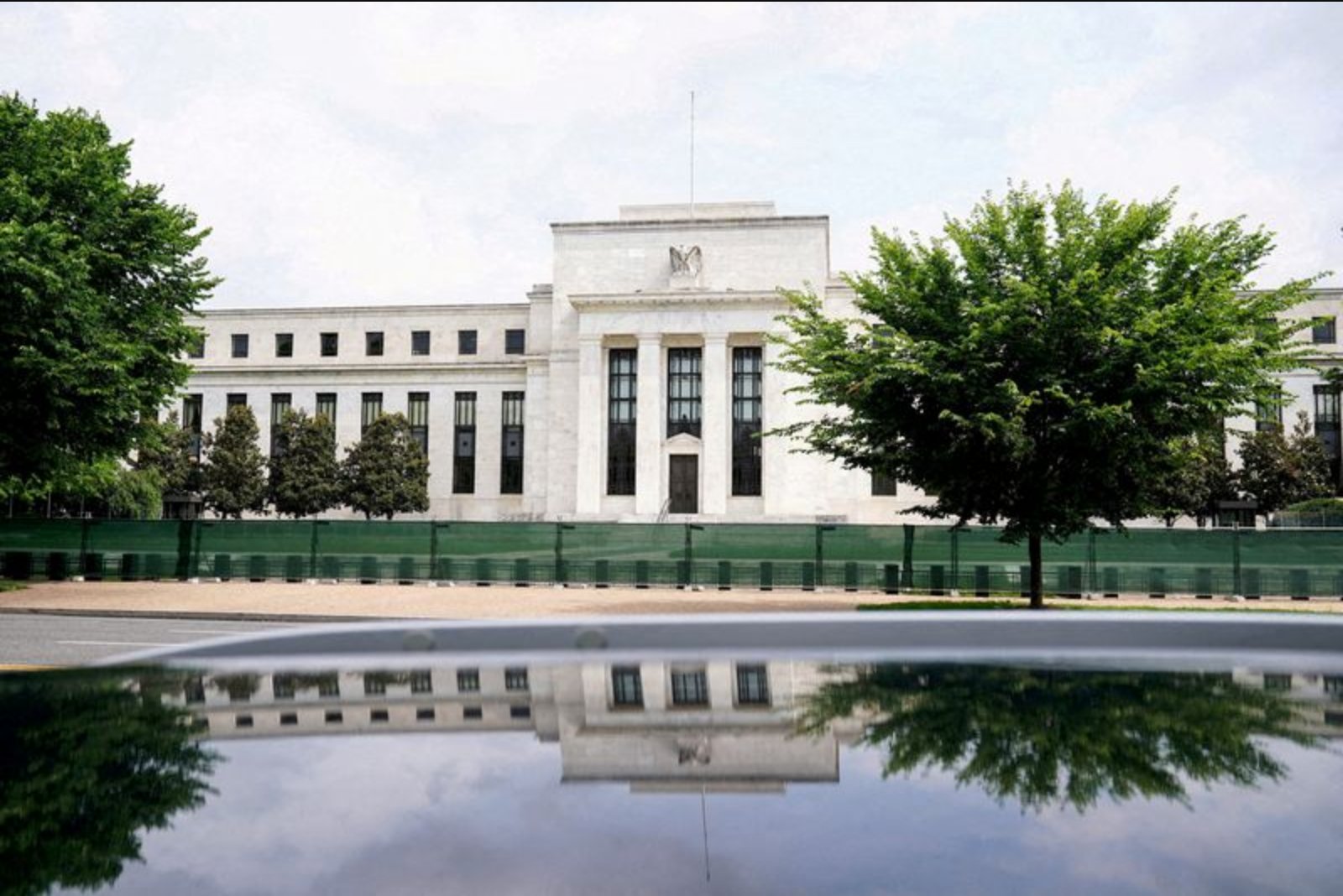
Central banks around the world largely refrained from cutting interest rates in April as the geopolitical shock stemming from the Iran war fed into energy prices and market volatility, complicating prospects for policy easing.
Six monetary authorities responsible for the 10 most heavily traded currencies left policy rates unchanged last month: the U.S. Federal Reserve, the European Central Bank and the Bank of England, along with the central banks of Canada, New Zealand and Japan. Meanwhile, the central banks of Switzerland, Australia, Sweden and Norway did not hold rate-setting meetings in April.
Analysts say the conflict has pushed oil costs sharply higher since it began on February 28, with that jump in energy prices adding to fuel and transport costs and lifting expectations for inflation across markets. "Oil prices have surged and markets are pricing higher inflation and rate hikes, even if central banks stayed on hold," said Christian Keller, head of economics research at Barclays.
Across the Group of Ten (G10) advanced economies, there were no rate cuts in the year to end-April and a net 50 basis points of tightening concentrated in two moves by Australia’s central bank. Australia extended that tightening path when it raised interest rates again on May 5.
The contrast with recent years is stark: in 2025 and 2024, G10 central banks recorded aggregate easing of 850 basis points and 800 basis points, respectively.
That more cautious stance was reflected among emerging market authorities as well. In a Reuters sample of 18 developing economies, only two central banks - Brazil and Russia - cut interest rates in April, trimming them by a combined 75 basis points. That total marked the first time in a year that the monthly tally of rate reductions fell below 100 basis points. Of the other 11 emerging market central banks that held rate meetings, 10 left policy rates unchanged.
Not all policymakers took the same approach. The Philippines enacted a rate increase in April to combat sharply higher inflation, which exceeded expectations, and to defend a currency that, like several across Asia, has flirted with or reached fresh record lows. These developments have reinforced the view among some market participants that more tightening may be necessary in certain emerging economies.
Emerging markets tend to have larger weights for energy and food in their consumer price baskets, making them particularly sensitive to a spike in commodity prices. Still, some portfolio managers point to a healthier starting point for policy than during previous global shocks. "Monetary policy now is at not only positive levels, but there is plenty of room for central banks to ease if they need to ease, which is quite different than the policy levels versus inflation levels that we had on the last global shock," said Carlos Carranza of the M&G emerging market debt team.
Summary of the main developments:
- Major central banks overseeing the 10 most traded currencies largely held rates steady in April.
- Since the Iran war began on February 28, oil prices rose sharply, lifting inflation expectations and complicating policy choices.
- G10 central banks recorded no cuts and 50 basis points of hikes in the year to end-April, with Australia hiking again on May 5.
- In a sample of 18 developing economies, only Brazil and Russia cut a combined 75 basis points in April; most others held policy unchanged.