
Germany's council of tax experts has lowered its revenue projections for the coming five years, heightening pressure on public finances already stretched by large spending commitments and an energy shock tied to the Iran war.
In its updated projections published on Thursday, the panel trimmed its estimate of total tax receipts for the 2026-2030 period by 87.5 billion euros compared with its prior outlook for the same window. For the current year the council now anticipates federal revenues of 382 billion euros - 9.9 billion euros below the October projection. For 2027 the panel expects federal tax income of about 395 billion euros, a reduction of 10.1 billion euros from the earlier forecast.
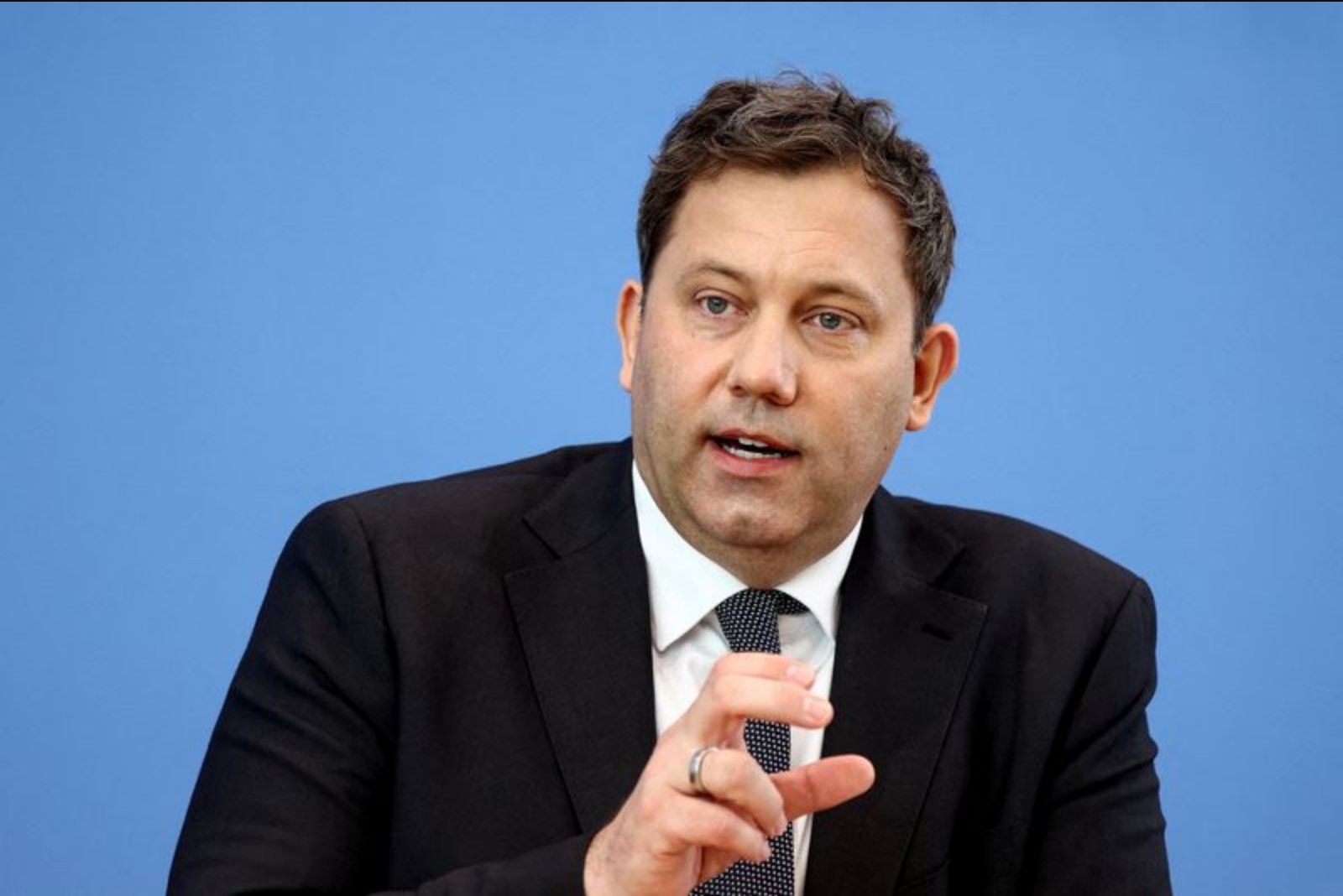
Finance Minister Lars Klingbeil attributed much of the shortfall to the global fallout from the Iran war. "(U.S. President Donald) Trump’s irresponsible war and the resulting global energy price shock are temporarily slowing down the positive economic momentum," Klingbeil said. "The war is costing us money," he added, and stressed that the government stood ready to act if the crisis were to worsen.
A strained fiscal backdrop
The lower revenue outlook compounds a fiscal picture that already features record-level spending commitments. Last week the government of Chancellor Friedrich Merz approved a draft budget for 2027 that envisages total net borrowing of 196.5 billion euros and sets defence outlays to reach 3.1% of gross domestic product, in line with NATO commitments.
Klingbeil said the revised revenue numbers had been incorporated into the 2027 draft budget and signalled the need for further savings. He estimated an additional requirement of around one billion euros in net savings. For this year he anticipated a net revenue shortfall of roughly five billion euros, a gap he said could be managed through how the budget is executed, following recent practice.
The DIW economic institute described the council's revision as a warning signal, warning that ambitions for tax relief are colliding with diminishing fiscal room. The Association of German Chambers of Commerce and Industry warned that without economic growth the government’s scope for action would remain limited.
Economic indicators and labour market pressures
The government has already halved its 2026 growth forecast to 0.5% and recent official data point to mounting domestic pressures. German EU-harmonised inflation rose to 2.9% in April, driven in part by a 10.1% year-on-year increase in energy prices. At the same time, the number of unemployed people in Germany climbed above the politically sensitive 3 million threshold in April.
Political and policy tensions
The downgraded tax outlook is likely to sharpen disagreements within Chancellor Merz's coalition, particularly between the conservative CDU/CSU and the centre-left Social Democrats led by Klingbeil, over choices about spending priorities, tax reform and welfare policy.
Opinion polling has highlighted political headwinds for the government: surveys now place the far-right Alternative for Germany ahead of the CDU, and 73% of respondents say they doubt Merz's economic competence. Addressing the chancellor directly, Klingbeil set a clear precondition for any joint tax reform: higher earners must carry a greater share of the burden to enable meaningful relief for low- and middle-income households.
With lower-than-expected tax inflows, elevated defence spending and an energy-driven inflation spike, policymakers face a narrower set of choices to reconcile spending promises with fiscal stability. The council's revision underscores how external shocks and weak near-term growth can rapidly erode projected revenues, placing greater emphasis on budget execution and political consensus for any meaningful adjustment.