
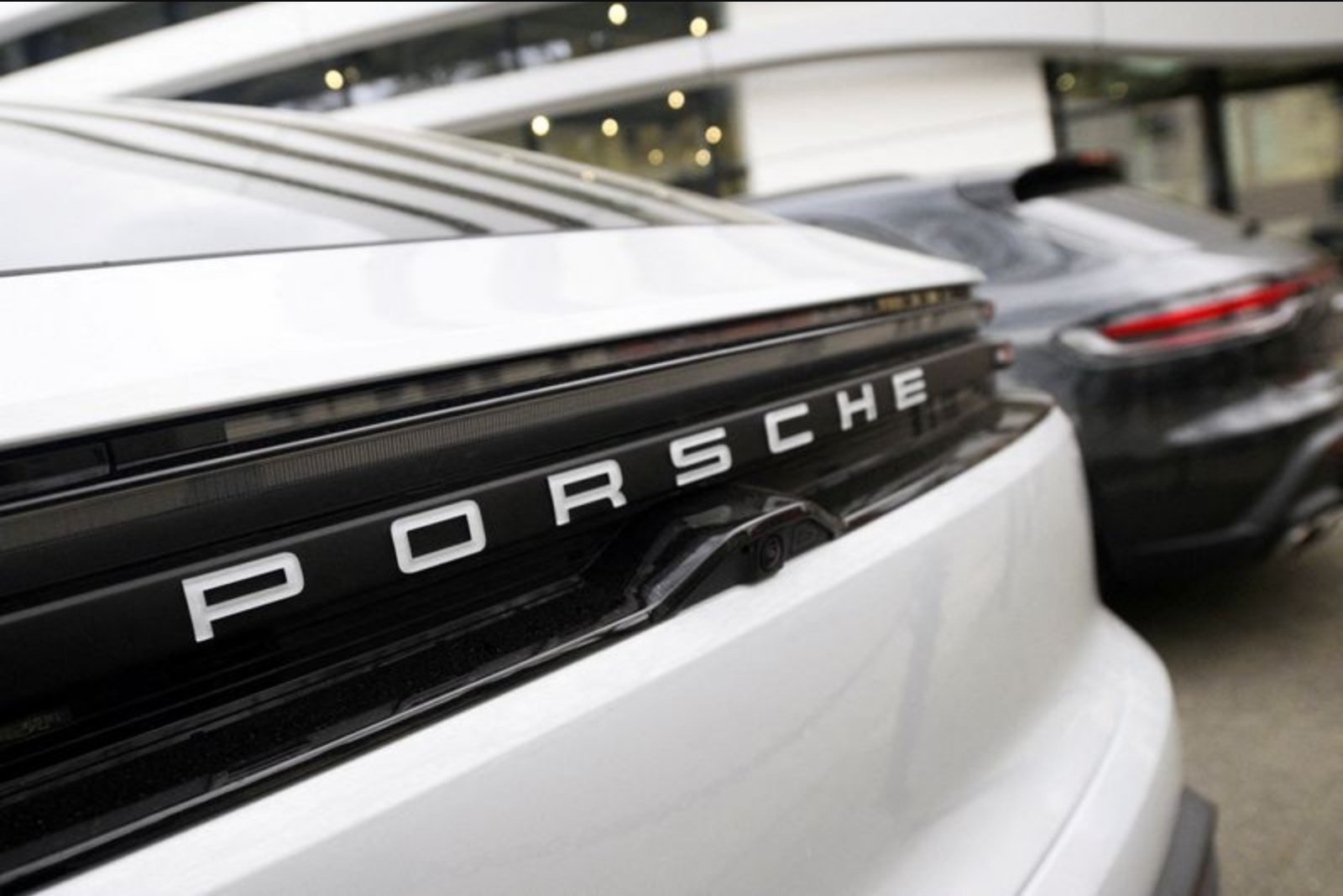
BERLIN, May 7 - Porsche is reorganizing its executive leadership team, cutting the size of its executive board from eight members to seven as part of a strategic reshuffle introduced by incoming CEO Michael Leiters.
As part of the reconfiguration, the company's research and development division will absorb the Car IT unit effective July 1. Sajjad Khan, the executive board member who ran software and infotainment for Car IT, will leave the board and his seat will not be filled, the company said.
The move reduces the number of board positions and consolidates responsibility for vehicle software and infotainment within an expanded R&D organization. Deputy board chairman Michael Steiner will continue to lead the R&D division in its broader configuration.
Company officials framed the decision as part of a wider strategic realignment. Supervisory board chairman Wolfgang Porsche said: "Porsche is in a challenging phase of transformation." The statement accompanied the announcement of the board changes.
Porsche also said that Khan "will remain available to Porsche in the future," indicating he may continue to advise the company outside the board role.
The reorganization comes as both Porsche and its majority owner Volkswagen face pressure to trim costs. Porsche is confronting a combination of weakening sales in China, tariff-related expenses and missteps tied to its EV transition - factors the company said have weighed on its profitability.
By integrating Car IT into R&D and reducing board membership, Porsche is consolidating software responsibilities under an existing executive portfolio while reducing the overall size of its top team. The company positioned the change as an adjustment to streamline leadership during a period of cost pressure and operational challenges.
Summary
- Porsche will reduce its executive board to seven members and fold Car IT into R&D from July 1.
- Sajjad Khan, who led software and infotainment as the Car IT board member, will leave the board and will not be replaced; he "will remain available to Porsche in the future."
- The changes are being implemented under new CEO Michael Leiters as Porsche and Volkswagen face pressure to cut costs amid falling China sales, tariff costs and EV transition issues.
Key points
- Corporate governance: Board size is reduced from eight to seven, signaling a tighter executive structure.
- Organizational shift: Car IT responsibilities move into the R&D division effective July 1, consolidating software and infotainment oversight.
- Sectors affected: Automotive manufacturing and automotive software/technology are directly impacted, with implications for vendor and supplier relationships.
Risks and uncertainties
- Sales risk: Collapsing sales in China create revenue pressure for Porsche and affect market exposure in the automotive sector.
- Cost pressures: Tariff costs and the need to cut expenses could constrain investment plans and operational flexibility across manufacturing and supply chains.
- Transition risk: Missteps in the EV transition have weighed on profitability and add uncertainty to product and technology roadmaps.