
A classified analysis from the Central Intelligence Agency provided to senior policymakers this week concludes that Iran can survive the existing U.S. naval blockade for a period of at least three to four months. That conclusion runs counter to some public assertions that the Iranian regime was on the brink of collapse, suggesting the government may be more resilient than recently portrayed.
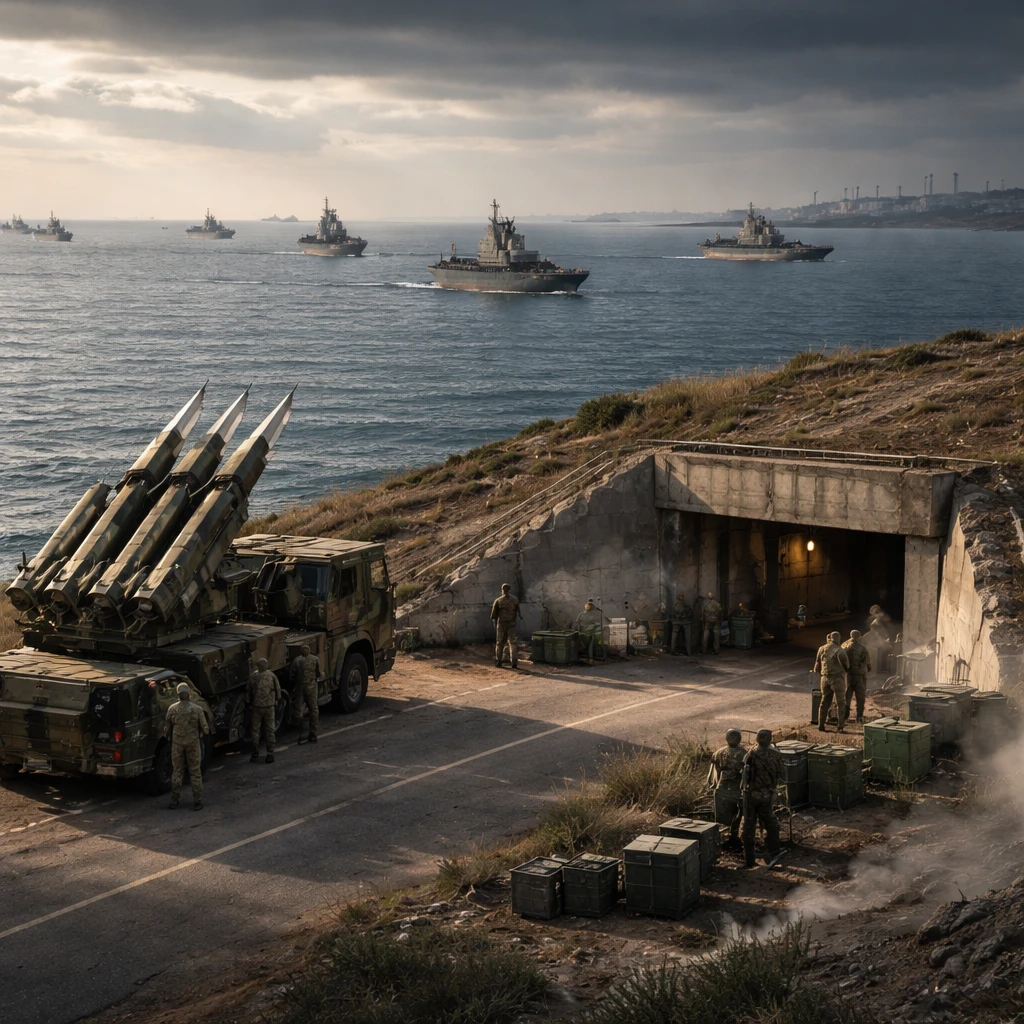
According to reporting from the Washington Post, which cited a U.S. official, the intelligence estimate indicates Iran still has roughly 75% of its pre-war inventories of mobile launchers. The same reporting said the country retains about 70% of its pre-war missile stockpiles.
The confidential assessment also reports that Iranian forces have had success recovering underground storage sites and repairing missiles that had been damaged. Those internal findings contrast with recent public claims about the extent of damage to the country’s military hardware.
This week, President Trump described the situation in more dire terms publicly, saying the Iranian economy is crashing and that their currency is worthless. He additionally asserted that Iran’s missiles are mostly decimated as part of the administration’s pressure campaign.
U.S. intelligence officials, by contrast, present a more measured evaluation of Tehran’s capabilities. One U.S. official said they believe Iran’s capacity to withstand extended hardship may be substantially greater than even the current CIA estimate.
"The leadership has gotten more radical, determined, and increasingly confident they can outlast U.S. political will and sustain domestic repression to check any resistance," the official said.
The same official added that comparable regimes have previously endured for years under sustained embargoes and conflicts limited to airpower. While the confidential CIA analysis places a specific lower bound on how long Iran could hold out under a blockade, some officials warn the real endurance could exceed that estimate.
These differing assessments - the classified intelligence estimate, public statements from the administration, and private remarks by other U.S. officials - highlight the range of views inside the U.S. government about the durability of Iran’s military and political capacity under pressure.
Implications
The CIA’s finding that Iran can withstand a naval blockade for months suggests a more protracted period of strategic uncertainty than some public messaging has suggested. The evaluation centers on materiel inventories and the regime’s ability to recover critical assets, rather than forecasting specific political or economic outcomes.