
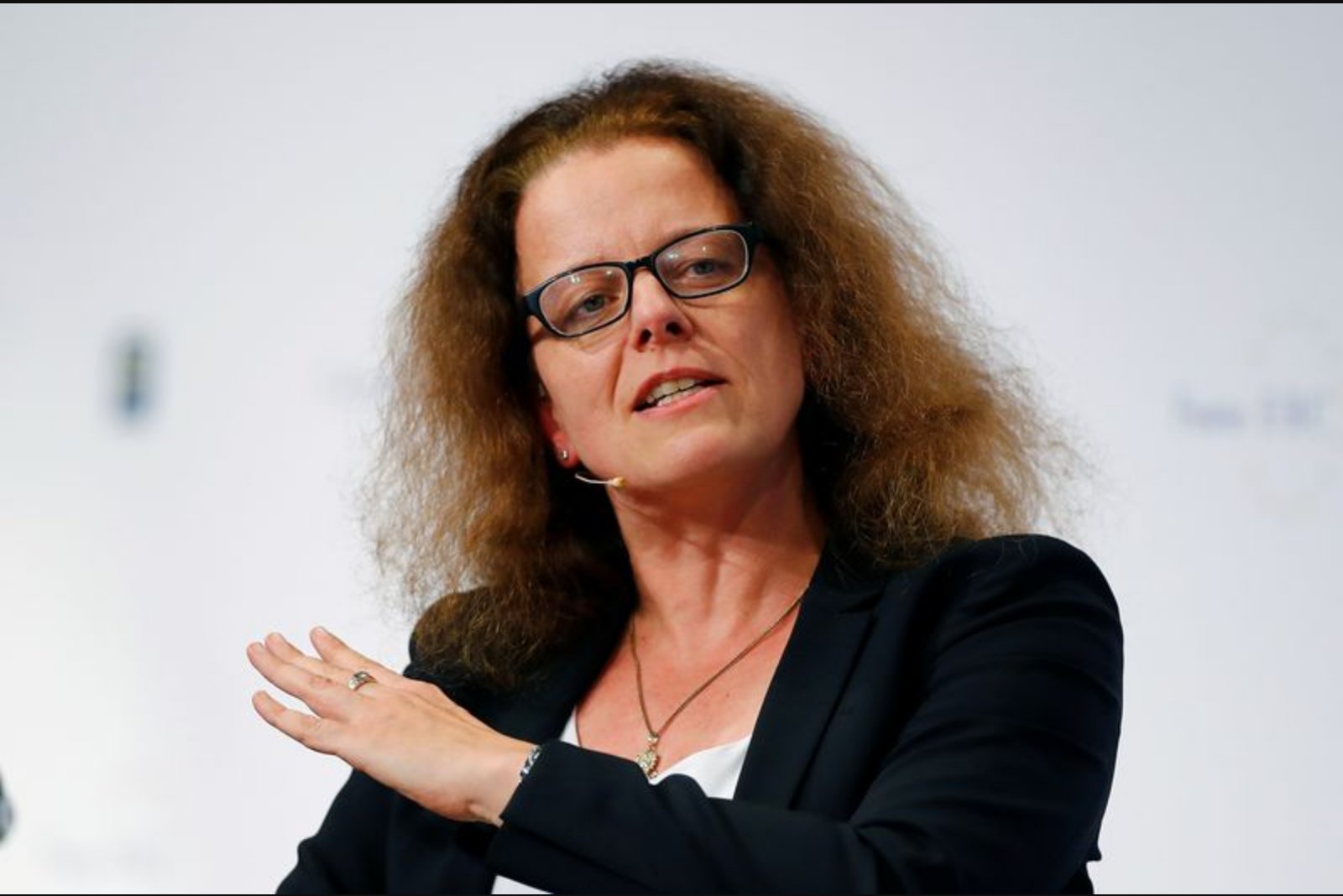
LONDON, May 7 - European Central Bank board member Isabel Schnabel warned on Thursday that the risk of greater inflation in the euro area has increased as firms and consumers respond to higher oil prices and ongoing supply bottlenecks. Her remarks signalled renewed support among policy-makers for further interest-rate increases, possibly beginning in June, to offset fallout from the Iran war on consumer prices in a region that imports most of its energy.
Schnabel highlighted that a rising proportion of euro zone companies are preparing to lift prices even though demand remains weak, and that households have been revising up their inflation expectations. Those shifts, she said, raise the prospect of wider and more persistent inflationary pressures.
"If the energy price shock broadens, monetary policy will need to tighten to contain the risk of second-round effects threatening medium-term price stability," she told an audience in London. "This risk has increased in recent weeks." Schnabel added that the recent spike in fuel costs could transmit through the economy faster than during the 2021-22 inflation episode because "memories of that painful inflation episode are still fresh."
Market pricing already reflects expectations of several ECB moves. Investors are pricing in three or, more likely, four rate hikes over the coming 12 months, a path that would raise the deposit rate the central bank pays on bank reserves from the current 2% to a range between 2.75% and 3%.
Beyond interest-rate settings, Schnabel pressed governments and legislators to act to help curb inflation. She urged policymakers to set public finances on a sustainable course and to maintain the prudential safeguards implemented after the financial crisis. She warned of the danger of ceding space for monetary policy through weakened fiscal or financial frameworks: "The alternative - allowing fiscal and financial dominance to quietly erode the space for monetary policy amid blurred mandates - would progressively hollow out independence and ultimately lead to higher inflation and lower growth," she said.
Schnabel framed her comments around the interaction between an energy-driven shock and the potential for price-setting behaviour and expectations to amplify its effects. Her appeal to fiscal authorities underscores a view that monetary policy may be constrained if fiscal and regulatory regimes fail to support price stability.
Contextual note: Schnabel's remarks underscore the immediate channels - energy prices, corporate pricing intentions, and household expectations - through which geopolitical developments tied to the Iran war could influence eurozone inflation and interest-rate outlooks.