
BRASILIA, May 4 - The federal government relaunched a broad consumer debt-relief initiative on Monday, reviving the Desenrola program first deployed in 2023. Officials say the relaunch aims to reduce interest burdens on household credit and increase disposable income as President Luiz Inacio Lula da Silva heads into an October reelection campaign.
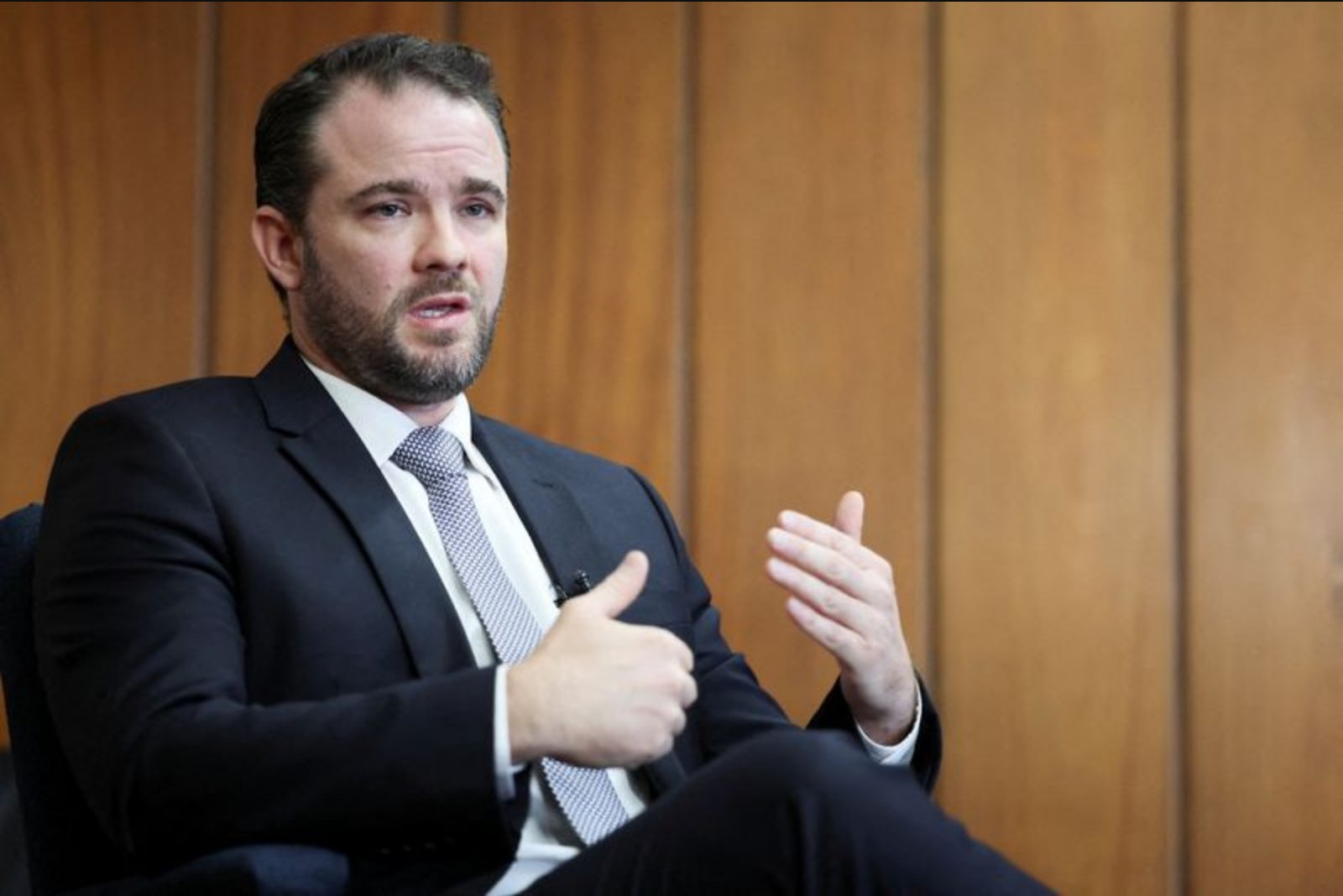
Finance Minister Dario Durigan announced the program at an event held at the presidential palace, outlining eligibility and financing arrangements. The new scheme expands the reach of Desenrola to individuals earning up to five times the minimum wage per month and offers discounts on outstanding obligations ranging from 30% to 90%.
To underpin lower interest rates on renegotiated debts, the government will provide guarantees through its Operations Guarantee Fund - known by the Portuguese acronym FGO. Durigan said the Treasury will contribute up to 5 billion reais to the FGO. He added that the fund currently holds about 2 billion reais and will receive additional top-ups drawn from unclaimed bank funds estimated to be between 5 billion reais and 8 billion reais.
"What we are doing is mobilizing resources that are poorly used and inefficiently parked in the financial system through a private fund to improve the system itself, benefiting account holders and people with debts," Durigan said at a press conference.
Brazil’s central bank estimates that so-called forgotten funds currently total about 10.6 billion reais. Durigan said the government will publish a public notice establishing a deadline for individuals to reclaim those monies. He also said authorities will retain 10% of the reclaimed funds to ensure resources are available to cover any future court rulings in favor of claimants, a measure he described as intended to "ensure no one is harmed."
The FGO mechanism was also used in the initial Desenrola rollout, but in that earlier iteration federal guarantees were confined to low-income borrowers earning up to two minimum wages. The relaunch therefore represents a notable broadening of the program’s target audience.
The timing of the initiative coincides with political developments: Lula is pressing measures to relieve pressure on household budgets ahead of the presidential race, and his lead over main rival Senator Flavio Bolsonaro has narrowed to a statistical tie in runoff polls.
Officials cited the exchange rate of $1 = 4.9510 reais in the announcement.
Summary: The government relaunched Desenrola on May 4 to offer 30% to 90% discounts to borrowers earning up to five times the minimum wage, backed by the FGO which will be topped up by up to 5 billion reais from the Treasury and additional unclaimed bank funds. The move expands the program from its prior focus on borrowers up to two minimum wages and comes as Lula’s reelection contest tightens.