
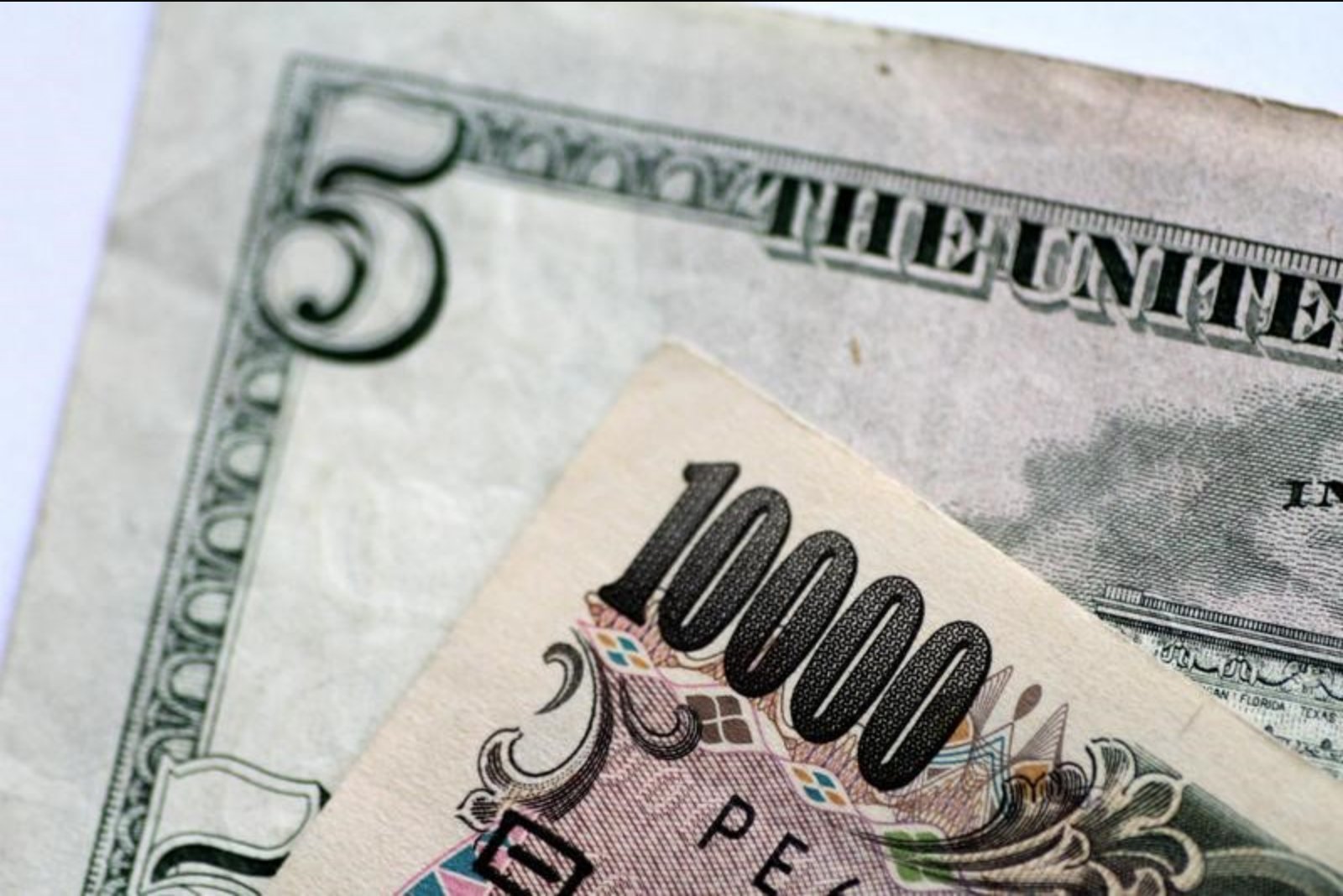
Asian FX markets experienced limited trading activity on Friday as public holidays across several markets suppressed volumes and left currencies moving within narrow ranges. The Japanese yen, which had strengthened sharply in the prior session, retreated after reports that Tokyo intervened in the foreign exchange market when USD/JPY crossed the 160 level earlier in the week.
USD/JPY rose 0.4% on Friday, reversing course after a drop of more than 2% in the prior session that was widely attributed to government intervention. The 160 mark has historically been a focus for official action, and market participants saw the recent step-in as consistent with that pattern.
Compounding pressure on the yen on Friday was a softer-than-expected Tokyo consumer price index print for April. The regional CPI reading - which often foreshadows national inflation trends - showed that government subsidies for utilities and food contributed to keeping price pressures subdued. That weaker inflation signal weighed on the currency despite recent comments from the Bank of Japan.
Earlier in the week the BoJ adopted a more hawkish posture, raising its inflation forecasts and warning that it expects to lift interest rates further in coming months. That stance did not prevent the yen's rebound being unwound after reports of Tokyo's market action.
On a broader scale, the dollar index and dollar futures in Asian trade were slightly firmer on Friday after the greenback posted nearly a 2% decline over the course of April. Some of the dollar's weakness had come from a temporary easing of safe-haven demand as markets hoped for a swift resolution to the U.S.-Iran conflict. However, safe-haven flows into the dollar increased again toward the end of the month amid signs that the conflict could be drawn out.
The dollar also felt downward pressure earlier in the week from Japan's intervention to bolster the yen, but sentiment toward the greenback turned steadier as attempts to broker talks between the U.S. and Iran failed to gain traction. The article further notes that President Donald Trump was seen as considering fresh military action against Tehran, a factor investors monitored for its potential to influence risk sentiment and safe-haven flows.
Monetary policy developments in the United States added another layer of influence on market positioning. A Federal Reserve meeting during the week revealed a growing number of policymakers opposing an easing bias, particularly given potential inflationary effects from a prolonged Iran conflict. That dynamic helped pare back market expectations for rate cuts by the Fed this year and supported a firmer outlook for the dollar.
Across Asia, currency moves were muted. The Australian dollar, often read as a barometer of regional risk appetite, slipped 0.1% against the dollar. South Korea's won was flat in USD/KRW trading; the currency's weakness was offset by data showing a bumper increase in exports in April, with the article highlighting that South Korea's chip sector has benefited greatly from outsized demand in the artificial intelligence sector.
The offshore Chinese yuan, USD/CNH, was broadly unchanged, while the Indian rupee hovered just below record highs of more than 95 rupees to the dollar reached earlier in the week. Overall, market participants remained attentive to geopolitical developments in the Middle East, constrained flows through the Strait of Hormuz, and the U.S. naval blockade against Iran - all of which continued to keep regional markets on edge.
With trading volumes subdued by holidays and risk sentiment tied to the trajectory of the U.S.-Iran standoff, Asian FX markets entered the weekend with limited directional conviction and continued sensitivity to headlines on both geopolitical and central bank fronts.