
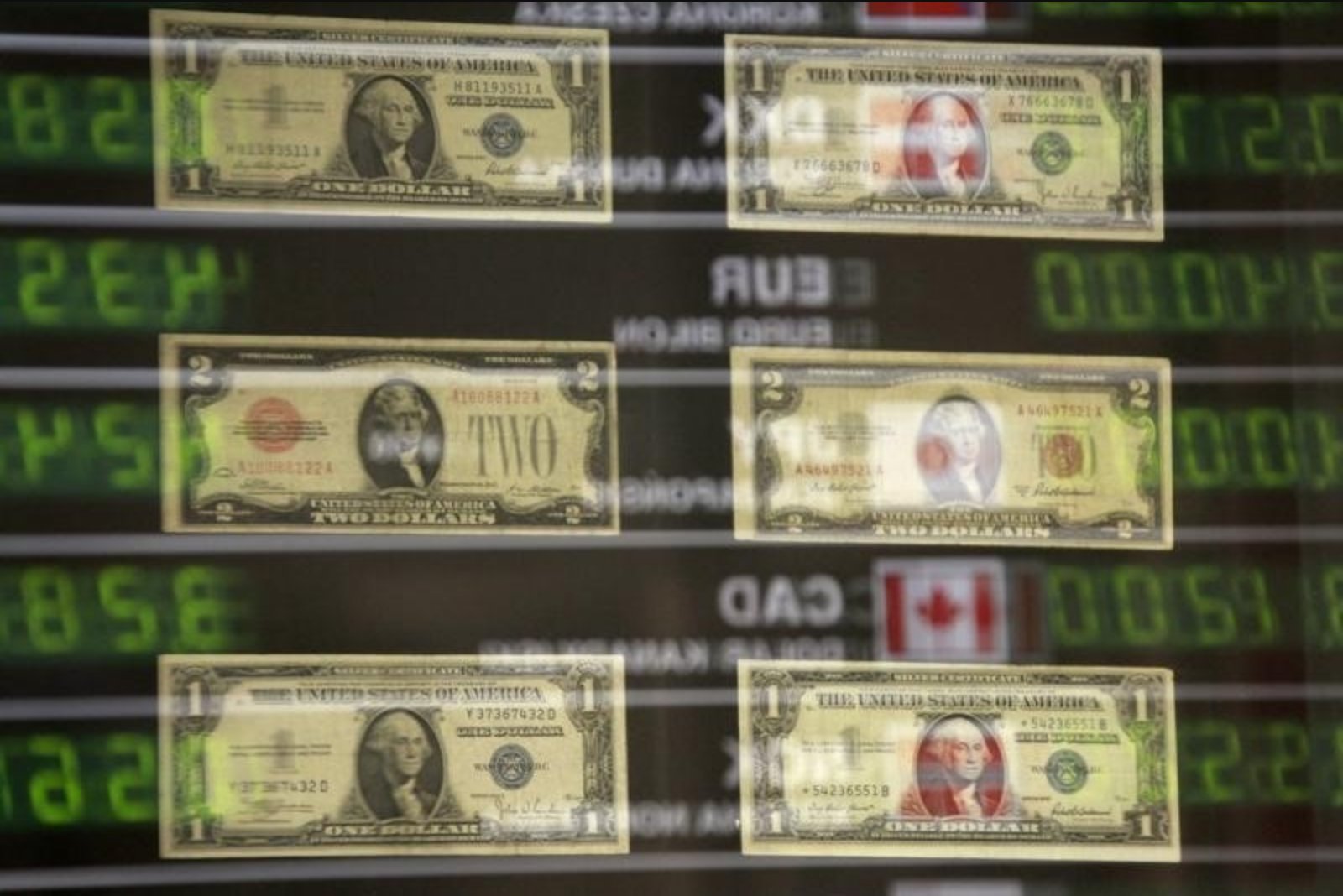
Iran’s currency slid to a record exchange rate of 1,810,000 rials to the U.S. dollar on Wednesday, according to the Iranian Student News Agency (ISNA). The move reflects a release of accumulated demand for foreign exchange after six weeks of fighting involving the U.S. and Israel, which had curbed access to and appetite for hard currency until markets reopened.
ISNA reported that the rial fell roughly 15% over the prior two days. The currency had been relatively stable for several weeks because wartime conditions and the Iranian New Year holidays limited transactions in foreign currencies. That stability ended once those constraints eased and buyers entered the market.
A ceasefire between the U.S. and Iran came into force on April 8. Following that pause in direct hostilities, Washington switched back to economic pressure, implementing a blockade on shipping to and from Iranian ports in the Gulf. The blockade has complicated Iran’s ability to generate hard currency through exports.
Compounding the problem, U.S. and Israeli strikes on Iranian infrastructure have forced Tehran to suspend exports of steel and petrochemical products, two of the country’s principal sources of foreign currency. The suspension of those shipments reduces hard currency inflows at a time when demand for foreign exchange has surged.
The Central Bank of Iran reported year-on-year inflation of 65.8% for the Iranian month from March 20 to April 20. With the rial weakening and the prospect of reconstruction costs, that inflation trend is expected to accelerate, the central bank noted.
In 2025, the Iranian currency lost about 70% of its value against the dollar amid a range of factors, including geopolitical uncertainty. That sharp depreciation triggered nationwide anti-government protests, with merchants from Tehran’s bazaar among the first to voice complaints about unpredictable currency swings and resulting business challenges.
ISNA said the recent sudden increases in foreign currency valuations - including the euro and the Emirati dirham - should begin to stabilise once currency contracts between Iranian institutions are activated and more hard currency reaches the open market. At the time of reporting, Iranian currency tracking websites showed rates ranging from 1,760,000 to 1,810,000 rials to the dollar.
Sectoral and market context
- Export sectors - particularly steel and petrochemicals - are directly affected by suspended shipments and the resulting loss of foreign currency earnings.
- Maritime and port operations in the Gulf face heightened strain from the blockade, which reduces throughput and hampers export-led revenue creation.
- Domestic commerce, notably bazaars and merchant activity in Tehran, is sensitive to sharp currency swings and elevated inflation.
The current situation links exchange-rate dynamics with both external pressures on trade routes and internal economic stress from high inflation and reconstruction needs. How quickly institutional currency contracts are executed and hard currency flows resume will be central to stabilising exchange rates.