
Commodities February 5, 2026 07:40 PM

Oil Prices Retreat as U.S.-Iran Talks in Oman Temper Middle East Supply Fears

WTI extends losses while analysts flag a potential shift from geopolitical risk to weak market fundamentals

By Priya Menon

U.S. crude futures fell further on Friday and were poised for their first weekly decline in several weeks as investors awaited U.S.-Iran talks in Oman. Prices eased as immediate concerns about Middle East supply disruption softened, even as geopolitical tensions and a build-up of U.S. forces in the region remain in focus. Analysts point to a recovery in Kazakhstan’s oil output as a factor that could weigh on prices through 2026.

Oil Prices Retreat as U.S.-Iran Talks in Oman Temper Middle East Supply Fears

Key Points

  • U.S. West Texas Intermediate crude fell to $62.47 a barrel by 0013 GMT, down $0.82 or 1.3%, after a 2.84% drop on Thursday; contracts are on track for their first weekly decline in weeks.
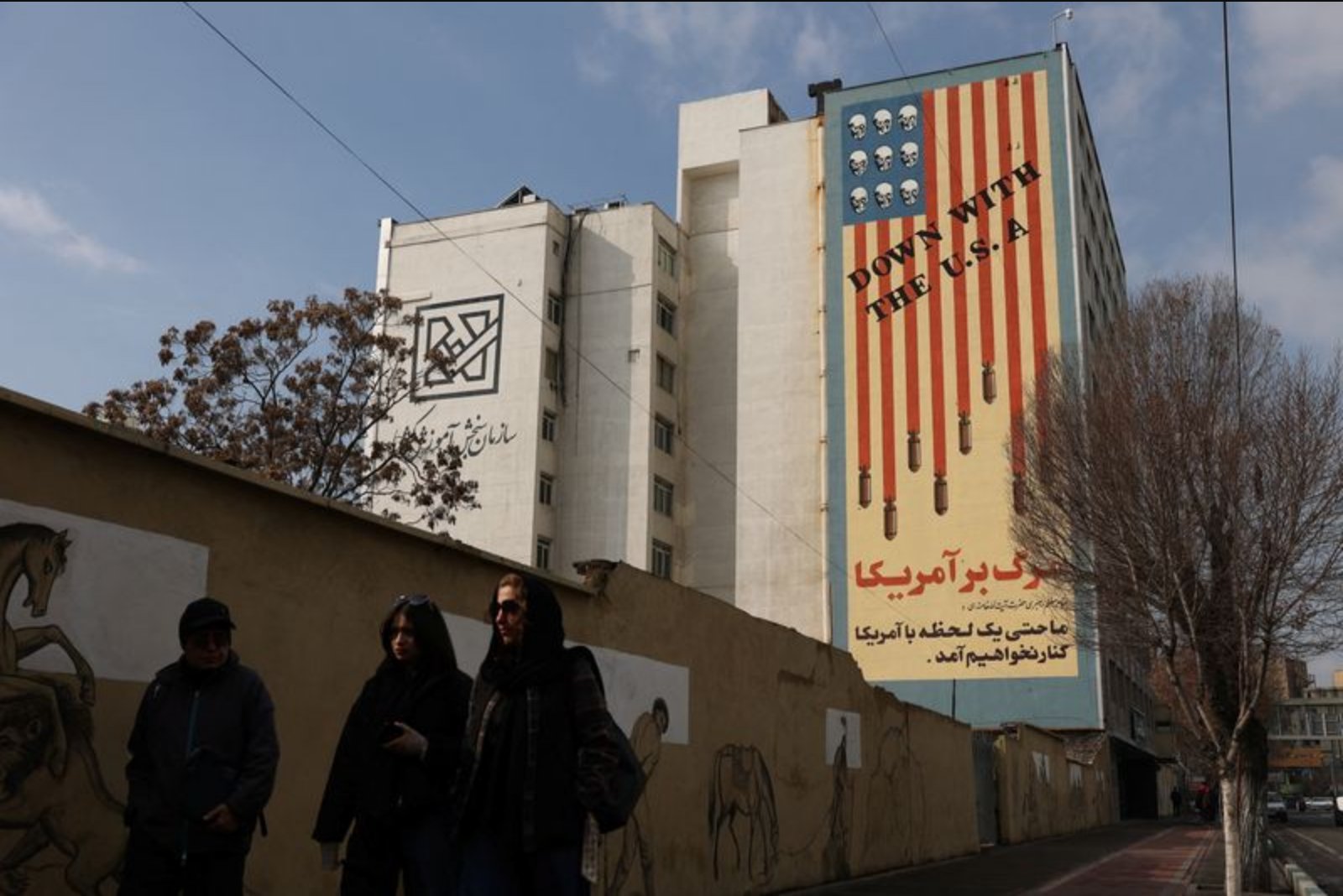
  • U.S. and Iran agreed to hold talks in Oman as the U.S. increases forces in the Middle East and regional players aim to prevent a military confrontation that could escalate into a wider war - a dynamic affecting energy-market sentiment.
  • About one-fifth of global oil consumption passes through the Strait of Hormuz, used by major producers such as Saudi Arabia, the UAE, Kuwait and Iraq, as well as Iran; a recovery in Kazakhstan’s output is cited by analysts as a downside factor for prices, potentially driving them toward $50 per barrel by end-2026.

Summary

U.S. benchmark crude fell further on Friday, with traders shifting attention to scheduled U.S.-Iran negotiations in Oman and away from the heightened supply-risk premium that had supported higher prices. The market’s move lower came as some signs emerged that oil fundamentals - including rising output elsewhere - may blunt the impact of geopolitical concerns on prices.


Market movements

U.S. West Texas Intermediate crude was trading at $62.47 a barrel by 0013 GMT, down $0.82, or 1.3%. That followed a 2.84% decline at Thursday’s close. The contract was on course for its first weekly drop in weeks as traders weighed the implications of talks between Washington and Tehran.


Diplomacy and regional dynamics

The United States and Iran agreed to hold talks in Oman on Friday amid elevated tensions in the Middle East. The U.S. has been building up forces in the region while other regional actors are seeking to avoid a military confrontation that many market participants fear could expand into a wider conflict. The Strait of Hormuz remains a focal point for supply security - roughly one-fifth of global oil consumption moves through the waterway between Oman and Iran.

Major OPEC producers including Saudi Arabia, the United Arab Emirates, Kuwait and Iraq route most of their crude exports through the strait, and Iran also exports via the same chokepoint.


Analyst view

Capital Economics analysts noted that "Escalating geopolitical tensions between the U.S. and Iran have contributed to higher oil prices." They added, "But we think that geopolitical fears will give way to weak fundamentals," citing a recovery in Kazakhstan’s oil output as a factor they expect will help push oil prices lower toward $50 per barrel by end-2026.


Outlook

With diplomatic developments in Oman and shifts in supply prospects on traders’ radar, crude markets remain sensitive to both geopolitical developments and supply-side fundamentals. Market participants are watching the outcome of talks and production trends closely for signals on the next direction for prices.

Risks

  • Uncertainty over the outcome of U.S.-Iran talks in Oman - the results could alter near-term risk premiums in oil markets. (Impacted sectors: energy, financial markets)
  • A potential escalation of military confrontation despite diplomatic efforts - heightened conflict could again raise supply disruption fears. (Impacted sectors: energy, defense-related markets)
  • Shifts in production fundamentals such as a recovery in Kazakhstan’s oil output - rising supply could push prices lower even if geopolitical tensions persist. (Impacted sectors: oil producers, energy markets)

More from Commodities

Middle East Conflict Spurs Shift Toward Long-Term LNG Shipping Contracts, NextDecade Executive Says May 6, 2026 Ted Turner’s Unfiltered Lines: A Collection of Notable Quotes May 6, 2026 European Gas Prices Retreat as Prospects Rise for U.S.-Iran Agreement May 6, 2026 Truce Prospects Drive Stocks Higher as Oil Falls and Bonds Wobble May 6, 2026 G7 Trade Talks Focus on Critical Minerals as U.S.-EU Tariff Row Tests Cohesion May 6, 2026