
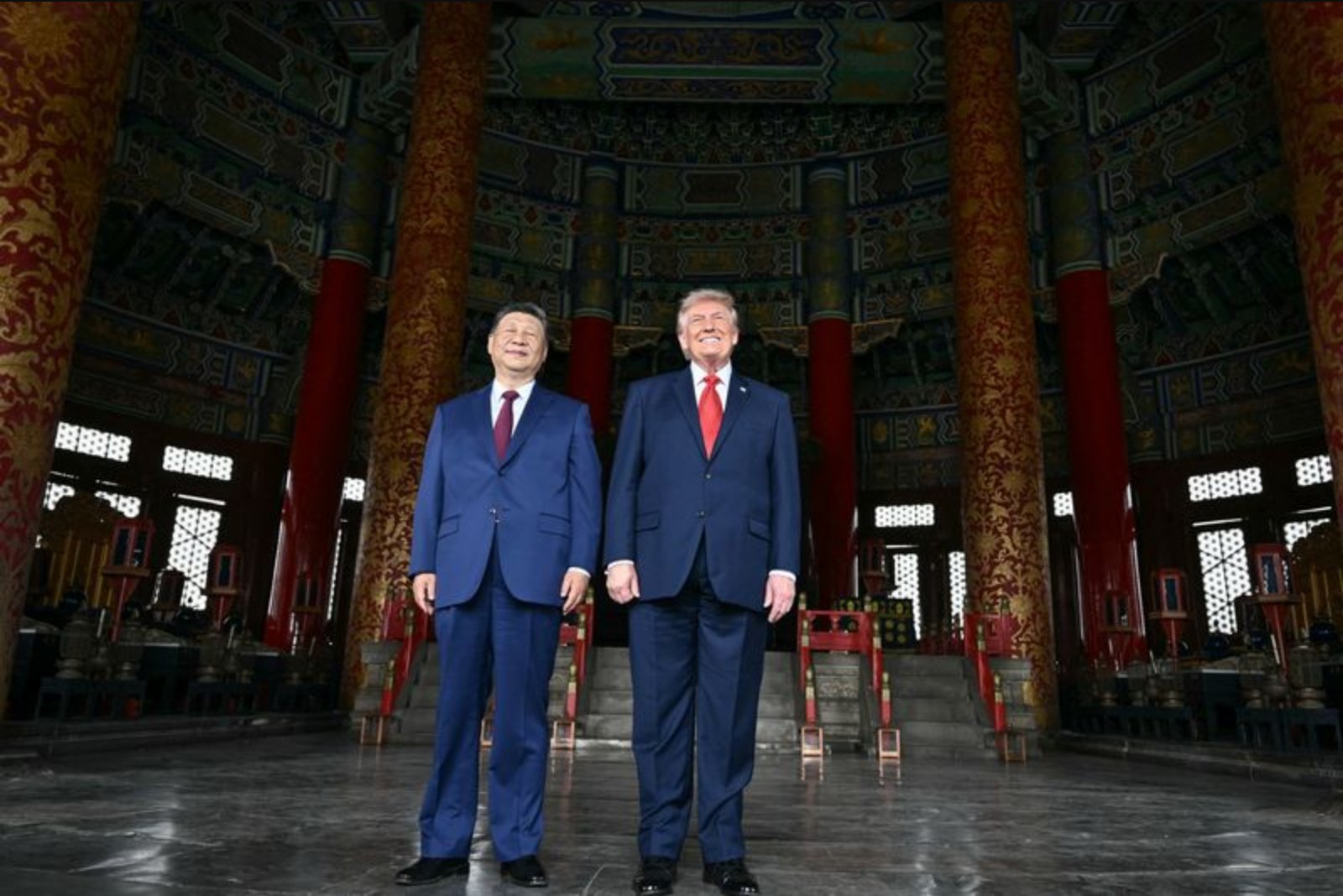
Diplomatic theater between the United States and China in Beijing delivered polite language but limited immediate market guidance, as leaders opted for warmth over confrontation on the summit's opening day. Chinese leader Xi Jinping said trade talks were progressing and issued a warning over Taiwan. For investors, the first day offered little to anchor portfolios, leaving broader macro forces to set the tone.
Two dominant themes emerged: inflation pressure tied to oil and a technology-led surge fueled by artificial intelligence. Both forces are reshaping risk pricing across markets and prompting fresh debate about central bank policy paths.
On the inflation front, U.S. producer prices for April registered their largest monthly gain in four years, compounding an above-forecast rise in core consumer prices for the same month. Those data prompted updates to Federal Reserve forecasting models, which now project headline annual inflation moving back above 4% in May. The bond market reacted, with yields climbing across the curve as futures increasingly priced in the possibility of a Fed rate increase within the next 12 months.
Boston Federal Reserve president Susan Collins signaled that the central bank can no longer simply look past supply shocks. Collins noted inflation has remained above the Fed's target for five years and appears to be trending upward once again - comments that underscore a more hawkish stance among some policymakers.
Equity markets, however, have remained resilient to higher borrowing costs. Wall Street indexes advanced on Wednesday, with the S&P 500 and the Nasdaq closing at record highs. Futures were pointing higher ahead of the opening bell, and European equity markets rose after their open.
In Asia, markets were broadly positive. Japan's Nikkei hit another record, while South Korea's SK Hynix neared the milestone of becoming the country's second company with a trillion-dollar market capitalization, after Samsung reached that threshold last month. Taiwan Semiconductor Manufacturing Company increased its standing forecast for chip demand through 2030 by 50% to $1.5 trillion, drawing renewed attention to the semiconductor sector.
Britain's political backdrop showed a measure of easing as Prime Minister Keir Starmer resisted calls to step down, although reports suggested a potential leadership challenge, with health minister Wes Streeting preparing to resign and mount a bid to unseat Starmer.
Chart of the day
The Philadelphia SE semiconductor index has surged 64% in just six weeks, in contrast to a nearly 17% gain for the S&P 500 over the same period. Individual chip-related names posted dramatic moves: Micron Technology and Advanced Micro Devices more than doubled, while Intel nearly tripled. Analysts estimate that gains in semiconductor and memory stocks accounted for roughly 70% of the $5.1 trillion of market capitalization added to the S&P 500 in 2026, highlighting the outsized contribution of the sector to recent market breadth.
The rally in semiconductors and memory has been a key engine of equity performance even as other market signals - notably those from fixed income and inflation readings - have pointed toward tightening financial conditions. That mix leaves policymakers and investors navigating a complex intersection of growth optimism and inflation risk.
Market snapshot and selected tickers
- S&P 500: +0.58%
- Nasdaq Composite: +1.2%
- Philadelphia Semiconductor Index (SOX): +2.57%
- Selected chip names: MU +4.83%, INTC -0.27%, AMD -0.62%, TSM +0.63%
- Crude oil (CL): -0.03%
- 10-year Treasury yield (TNX): +0.4%
Policy transition and geopolitical backdrop
An incoming Federal Reserve chair, Kevin Warsh, faces a challenging backdrop as he assumes leadership following Senate confirmation on Wednesday and is scheduled to take the helm tomorrow. The U.S.-Iran stalemate remains unresolved and continues to represent a source of geopolitical risk that could influence energy prices and inflation dynamics.
Despite higher interest rates, equity market momentum has persisted, driven by concentrated gains in technology and chip makers. That dichotomy - rising rates alongside surging tech stocks - is a central tension for investors weighing valuation and macro risks.
Events to watch
- U.S. April import prices - 8:30 a.m. EDT
- Weekly jobless claims - 8:30 a.m. EDT
- Retail sales - 8:30 a.m. EDT
- Speeches: Kansas Fed's Jeffrey Schmid, Cleveland Fed's Beth Hammack and New York Fed's John Williams
- Continuation of the summit between the U.S. president and China's leader
These indicators and appearances will provide additional data points on inflation, consumer demand and the likely posture of monetary policy in the near term.