
World June 26, 2026 12:28 PM

Utah Judge Holds Prosecutor in Contempt Over Media Comments in Kirk Murder Case

Court finds remarks by Utah County prosecutor risk prejudicing potential jurors; request to bar death penalty rejected

By Derek Hwang
Share
Twitter Reddit Facebook LinkedIn

A Utah district judge has found a county prosecutor in contempt for public statements suggesting the guilt of Tyler Robinson in the killing of conservative activist Charlie Kirk. The ruling addresses concerns that comments to a media outlet could influence future jurors, while the judge declined a defense request to prevent prosecutors from seeking the death penalty.

Utah Judge Holds Prosecutor in Contempt Over Media Comments in Kirk Murder Case
Summarize with
ChatGPT Perplexity Claude Grok Gemini

Key Points

  • Judge Tony Graf found Utah County prosecutor Christopher Ballard in civil contempt for public statements to TMZ suggesting guilt in the Tyler Robinson case, citing court rules on pretrial communications - impacts the legal sector and courtroom procedures.
  • Forensic testing on a bullet fragment from Charlie Kirk's body produced an "inconclusive" result about whether it was fired from a rifle tied to alleged DNA evidence; Ballard said prosecutors nonetheless have ample evidence to prove guilt - impacts forensic and investigative proceedings.
  • Defense request to bar the death penalty was denied, so prosecutors retain the option to seek capital punishment if Robinson is convicted; this affects case stakes and defense strategy within the criminal justice sector.

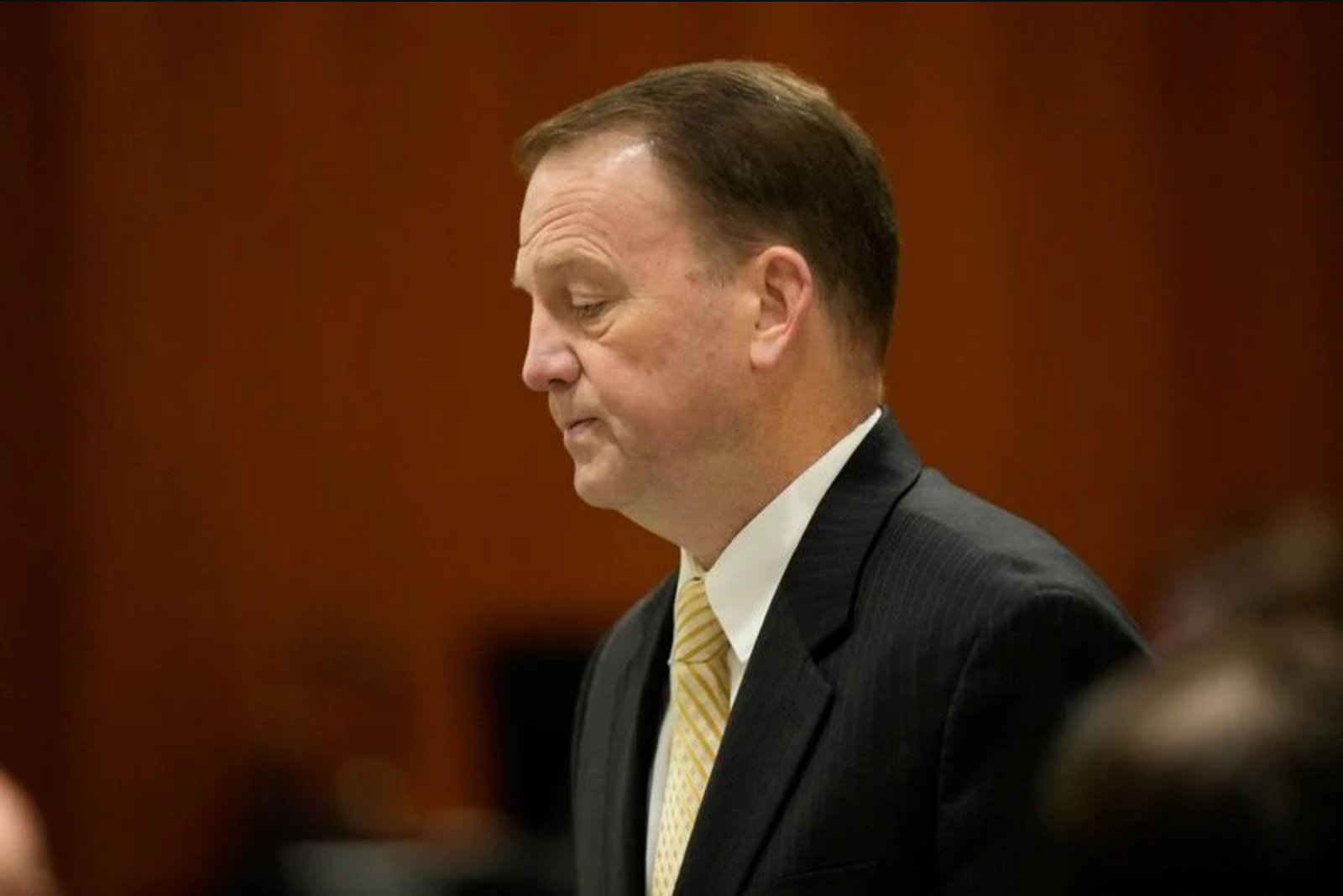
In a hearing on Friday, District Court Judge Tony Graf determined that comments made by Utah County prosecutor Christopher Ballard to a media outlet crossed court rules and risked influencing potential jurors in the case of Tyler Robinson, the man charged with killing conservative activist Charlie Kirk.

Judge Graf described Ballard's remarks as a violation of the court's rules on public communication by prosecutors, and he ordered measures aimed at preventing further statements that could taint the jury pool should the matter proceed to trial. The judge characterized Ballard’s conduct as "civil contempt" of those rules in connection with comments made to the news site TMZ.

The comments at issue came after reports about forensic test results on a bullet fragment recovered from Kirk's body. The forensic test returned an "inconclusive" determination on whether the fragment was fired from a rifle that prosecutors say contained Robinson's DNA. Ballard told the media outlet that, regardless of that inconclusive test result, prosecutors maintained they had sufficient evidence to prove Robinson's guilt.

Defense attorneys asked the court to impose a penalty on the prosecution for the comments by barring the state from pursuing the death penalty against Robinson. Judge Graf rejected that request. Prosecutors remain able to seek capital punishment if Robinson is convicted; the trial is scheduled to begin on September 10, 2025.

Robinson, 23, a trainee electrician at the time of the shooting, is accused of firing a single shot from a rooftop that struck Kirk while the activist was debating students at Utah Valley University in Orem. The shooting, which occurred in front of a large crowd, ended with Kirk's death and drew attention amid concerns about rising political violence in the United States. The article referenced political consequences noted in previous coverage, including that Kirk had helped mobilize young voters in support of President Donald Trump's 2024 election victory.


Case status and court direction

Judge Graf's finding of civil contempt reflects the court's effort to shield jurors from pretrial publicity that could influence their impartiality. At the same time, the court did not adopt the most severe remedy proposed by defense counsel - a prohibition on pursuing the death penalty - leaving that option available to prosecutors.

The forensic test's inconclusive result and Ballard's public assertion of confidence in the prosecution's broader evidence formed the factual basis for the court's ruling. The judgment on contempt signals tighter scrutiny of communications by members of the prosecution team as the case moves toward the scheduled trial date.

Risks

  • Pretrial public comments by prosecutors risk prejudicing potential jurors and complicating jury selection, presenting procedural risks for fair trial proceedings - legal sector impact.
  • An "inconclusive" forensic test result introduces evidentiary uncertainty that could affect the strength of the prosecution's case and trial strategy - forensic and investigative services impact.
  • Continued publicity around the case may heighten political and public scrutiny, which could influence courtroom dynamics and resource allocation for security and media management - impacts public institutions and legal administration.

More from World

Fitch Maintains Uganda's Sovereign Rating at B, Cites Oil as Growth Catalyst Amid Fiscal Strain Aug 7, 2026 Shakib Al Hasan Says He Will Return to Bangladesh and Face Trial if Guaranteed Security Aug 7, 2026 U.S.-Backed Talks Between Venezuela Interim Government and Opposition Begin in Caracas Aug 6, 2026 U.S. Plans Social Media Screening for Foreign Journalists Seeking Visas, Report Says Aug 6, 2026 Family and Advocates Warn U.S. Ex-Marine Detained in Russia Is Near Death After Slipping Into Stupor Aug 6, 2026