
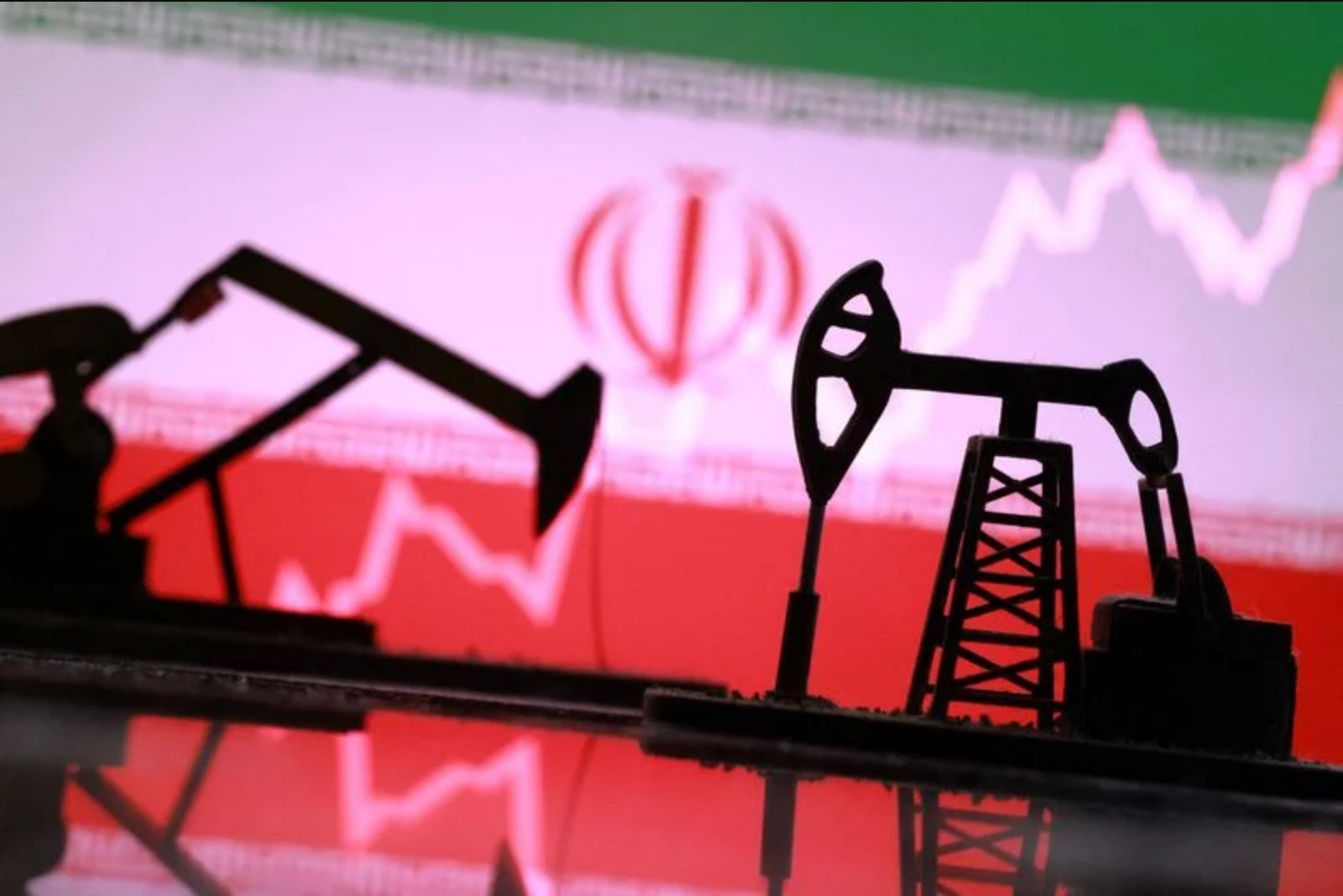
WASHINGTON, July 7 - The United States is withdrawing a general license that had authorized the sale of Iranian crude, a U.S. official said on Tuesday, following recent incidents in the Strait of Hormuz in which tankers reported being hit by unknown projectiles.
The official described Iran’s actions in the narrow, strategically vital waterway as "wholly unacceptable" and said Washington would respond. The decision to revoke the license followed reports that three tankers had been struck in or near the Strait of Hormuz over recent days, according to a notice from the British navy-affiliated reporting agency UKMTO.
There was no immediate public response from Tehran and no party claimed responsibility for the strikes. U.S. negotiators, however, said they continued to engage in good faith toward concluding a final agreement with Iran despite the uptick in hostilities.
The recent attacks and Washington’s action to pull the license create new strains on a fragile diplomatic understanding between the two countries. That strain, officials warn, raises the possibility that further retaliation could undermine ongoing talks aimed at reaching a broader accord.
Prior negotiations under discussion sought to place limits on Iran’s nuclear activities in return for relief from certain U.S. sanctions, including constraints on oil exports. The revocation of the license directly affects that area of the bargaining table.
The Strait of Hormuz lies between Iran and Oman and functions as one of the world’s most critical energy chokepoints. Roughly one-fifth of global oil consumption transits the waterway each day, along with substantial volumes of liquefied natural gas shipments. Any sustained disruption to traffic through the strait could put upward pressure on energy prices, adding strain on consumers and governments already coping with elevated fuel costs.
Oil sales continue to be a central source of hard currency for Iran, bringing in billions of dollars that support government expenditures and an economy weakened by years of U.S. sanctions. Despite those restrictions, Iran has expanded its shipments in recent years, largely to China, making crude exports a vital economic lifeline. Renewed efforts to limit or curb those exports could further squeeze Iran’s finances and its capacity to maintain domestic programs and regional activities.
Context and outlook
U.S. officials framed the revocation as a direct response to the attacks in the Gulf shipping lane and as part of broader measures to hold Tehran accountable. At the same time, diplomatic channels remain open, with negotiators asserting continued efforts to reach a comprehensive agreement that would address nuclear limits and sanction relief.