
World July 7, 2026 01:17 PM

Brazilian Senator Flavio Bolsonaro Urges U.S. to Drop Proposed 25% Tariff

Senator contests Section 301 tariff plan and defends Pix payment system ahead of October vote

By Sofia Navarro
Share
Twitter Reddit Facebook LinkedIn

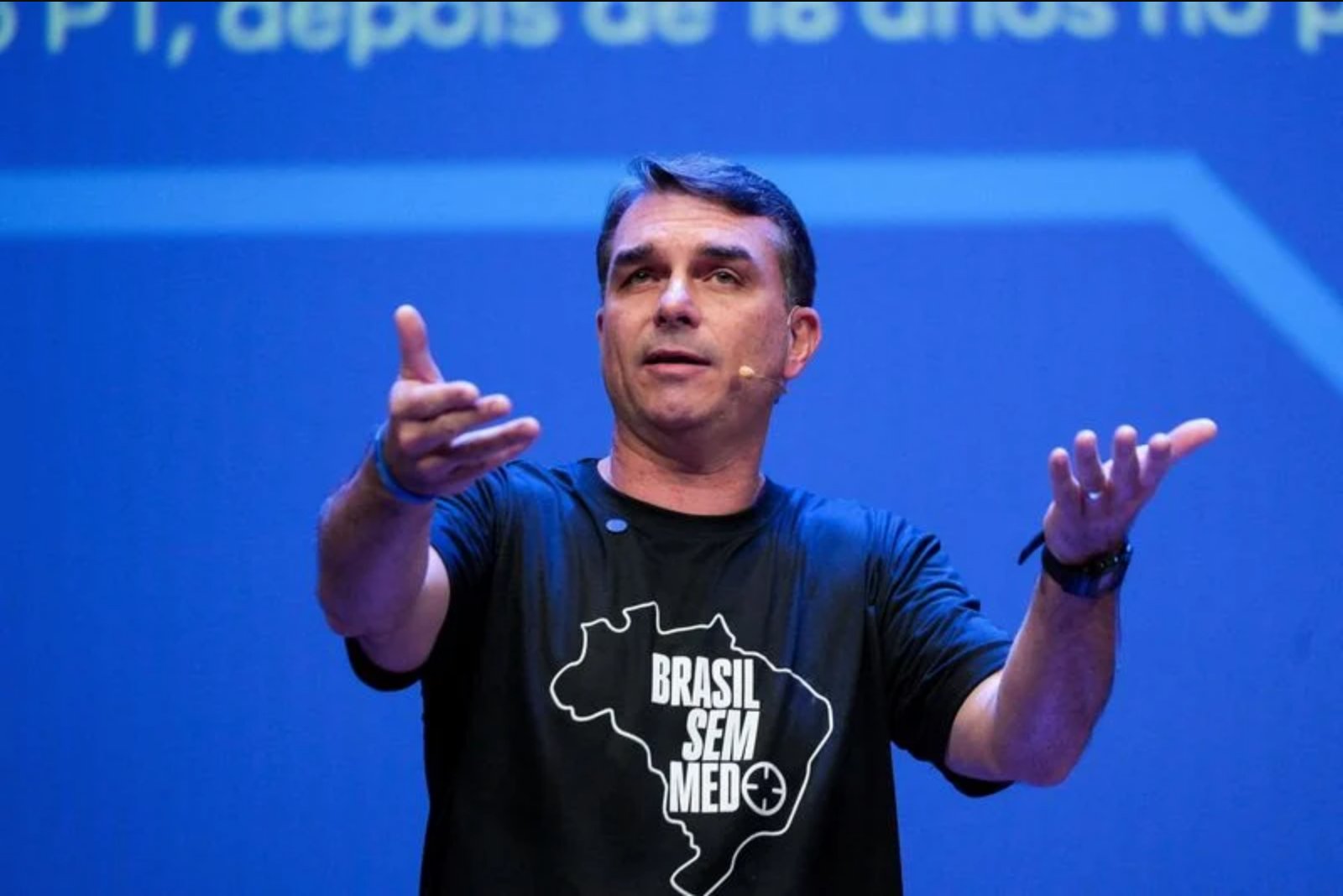
Brazilian Senator and presidential contender Flavio Bolsonaro spoke at public hearings in Washington to oppose a proposed 25% U.S. tariff on Brazilian imports under the Section 301 statute. He defended Brazil's Pix instant payment system and questioned the timing of tariff action given Brazil's upcoming October presidential election. The U.S. Trade Representative is set to decide by July 15 after hearings that included industry representatives from key Brazilian trade groups.

Brazilian Senator Flavio Bolsonaro Urges U.S. to Drop Proposed 25% Tariff
Summarize with
ChatGPT Perplexity Claude Grok Gemini

Key Points

  • Flavio Bolsonaro spoke at U.S. public hearings opposing a proposed 25% tariff under Section 301 that targets alleged unfair practices by Brazil - impacts trade policy and export sectors.
  • Bolsonaro defended the Pix instant payment system, arguing it is a solution rather than a problem; Washington views Pix as a competitive threat to Visa and Mastercard - impacts payments and financial services.
  • The proposed tariffs would exempt categories such as beef, coffee, rare earths, other metals and aircraft parts but could still threaten exports and jobs in industries like footwear and fishing - impacts manufacturing and fishing sectors.

Brazilian Senator and presidential candidate Flavio Bolsonaro addressed officials at U.S. public hearings to contest a proposed 25% tariff on imports from Brazil under the Section 301 trade statute. The tariff proposal, which followed the U.S. Supreme Court's earlier rejection of a previous policy, alleges unfair trade practices by Brazil and is scheduled for a final decision by the U.S. Trade Representative by July 15.

In a speech lasting roughly four minutes, Bolsonaro defended Brazil's central bank-operated instant payment system, Pix, characterizing it as a constructive innovation rather than a problem. In audio reviewed by observers, he said, "Pix is not a problem to be fixed, it is a solution." Washington has described the system as an unfair threat to incumbent card networks such as Visa and Mastercard.

The senator's appearance came as part of public hearings that began on a Monday and were expected to be attended by him. He used his remarks to press both the merits of Pix and the timing of the proposed tariffs, pointing to Brazil's upcoming October presidential election. Bolsonaro plans to challenge incumbent President Luiz Inacio Lula da Silva in that vote. In the recording, Bolsonaro warned that "Within just 90 days, the country’s political landscape will look entirely different."

Observers note that Flavio Bolsonaro has sought to distance himself from a policy that had previously been invoked in defense of his father, former President Jair Bolsonaro. At the same time, he has navigated tensions between ideological affinity for U.S. President Donald Trump and domestic opposition in Brazil to tariffs that Trump first imposed last year, a move the U.S. had reportedly intended to affect legal proceedings involving the ex-president.

The Section 301 tariffs publicized in early June would exempt a number of Brazilian product categories, including beef, coffee, rare earths, other metals and aircraft parts. Nonetheless, the proposal would leave other sectors exposed, potentially affecting exports and employment in industries such as footwear and fishing.

Representatives from several Brazilian trade organizations also took part in the hearings in Washington. Those groups include the Brazilian Rice Industry Association, the Federation of Industries of the State of São Paulo and the National Confederation of Industry. The U.S. Trade Representative will consider testimony from these and other participants before making a final determination on the proposed measures by July 15.

Risks

  • If the USTR proceeds with the 25% Section 301 tariff, Brazilian exporters in exposed sectors such as footwear and fishing could face reduced demand and job risk - affecting trade-exposed industries.
  • Political timing of tariff decisions ahead of Brazil's October election introduces uncertainty for candidates and markets, with potential implications for economic policy and investor sentiment.
  • Disagreement between U.S. authorities and Brazil over digital payment systems like Pix could increase regulatory and commercial friction for multinational payments firms such as Visa and Mastercard.

More from World

Prosecutors Show Video of Suspect in Sniper Position in Preliminary Hearing Over Charlie Kirk Killing Jul 7, 2026 Kyiv Residents Brace as Russian Ballistic Strikes Escalate and Air Defences Struggle Jul 7, 2026 Nine nations pledge support for new multilateral defence bank, Canada says Jul 7, 2026 Duterte Maintains Defiant Stance as Senate Impeachment Shifts Focus to Alleged Threats Against Marcos Jul 7, 2026 Israeli Airstrikes Kill Two Palestinians in Gaza, Medics Say Jul 7, 2026