
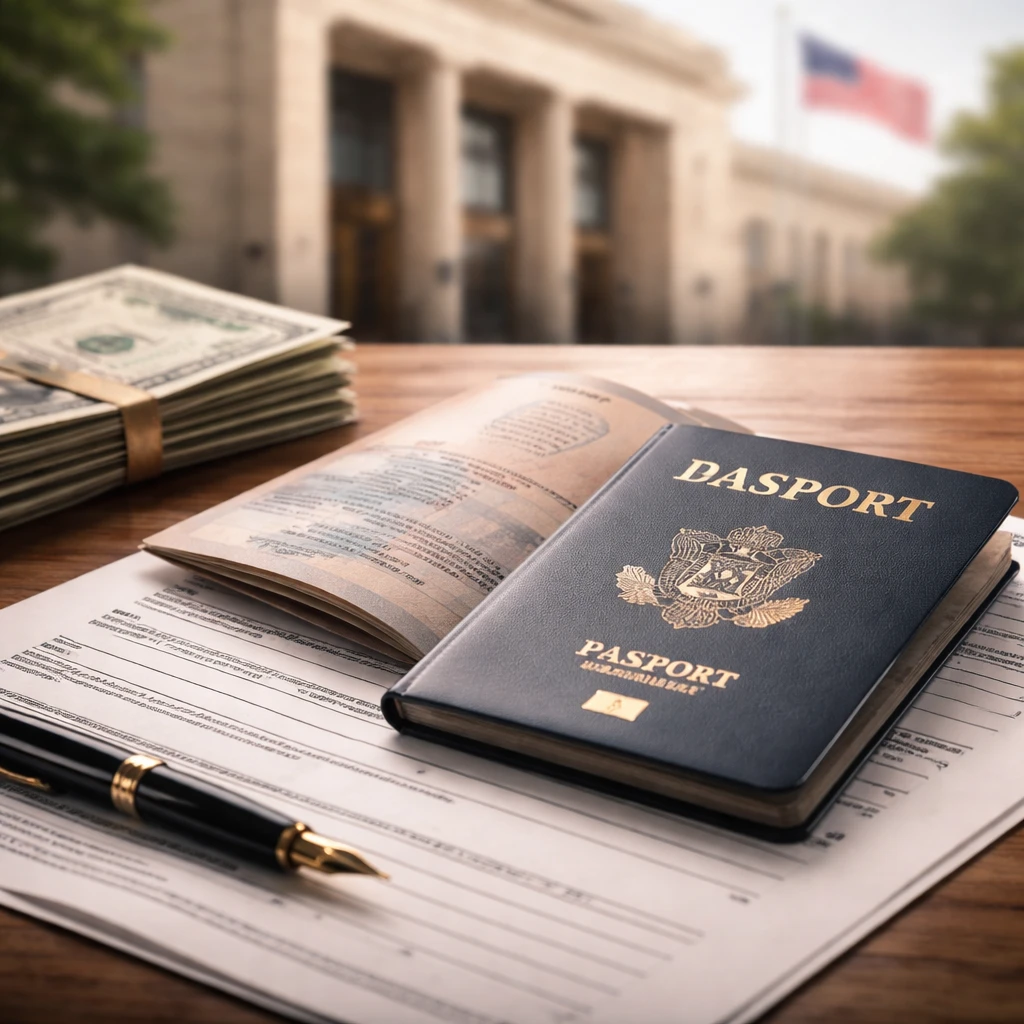
The U.S. State Department will permanently implement a visa bond program that can require applicants from 50 nations to post bonds when applying for B1 and B2 visas, according to a federal notice posted online on Friday. The program applies specifically to nonimmigrant business and tourism visas.
The Federal Register notice states that consular officers may require covered nonimmigrant visa applicants to post a bond of up to $20,000 as a condition of visa issuance, with the amount determined by consular officers. The notice cites the 2025 visa bond pilot - which established a framework for the State Department alongside the Department of Homeland Security and the Department of the Treasury - as providing sufficient data to suggest the program is an effective enforcement tool for ensuring compliance by bonded visa holders.
During the 2025 pilot, consular officers had the authority to require bonds of $5,000, $10,000 or up to $15,000. The final rule removes the $5,000 option and increases the maximum bond level to $20,000. The rule is scheduled to take effect on August 3, coinciding with its planned publication in the Federal Register.
The group of 50 countries to which the rule applies includes 30 nations from Africa, according to the notice. U.S. officials framed the policy as a measure intended to reduce the incidence of visa overstays among holders covered by the program. By contrast, immigration advocates have warned that the bond requirement will deter lawful travel to the United States.
Rights advocates have criticized a broader set of immigration policies under the current administration, saying they amount to an aggressive crackdown that infringes on free speech and due process, while creating an unsafe environment for ethnic minorities and encouraging racial profiling. The administration has defended these measures as necessary to strengthen national security.
Officials in the administration have also made legal immigration more difficult through other actions cited in public commentary, including imposing new and costly fees for certain visa applicants and implementing social media vetting for visa applicants and immigrants already in the country.
Summary
The State Department will make permanent a visa bond program for certain B1 and B2 visa applicants from 50 countries, raising the maximum bond to $20,000 and eliminating the $5,000 bond tier introduced during a 2025 pilot. The measure is presented as a tool to reduce overstays; critics say it will discourage legitimate travel and add barriers to legal immigration.