
WASHINGTON, July 28 - The Trump administration on Tuesday plans to announce a package of import restrictions aimed at blocking the entry of the latest Chinese-built robots and connected power inverters, U.S. officials said.
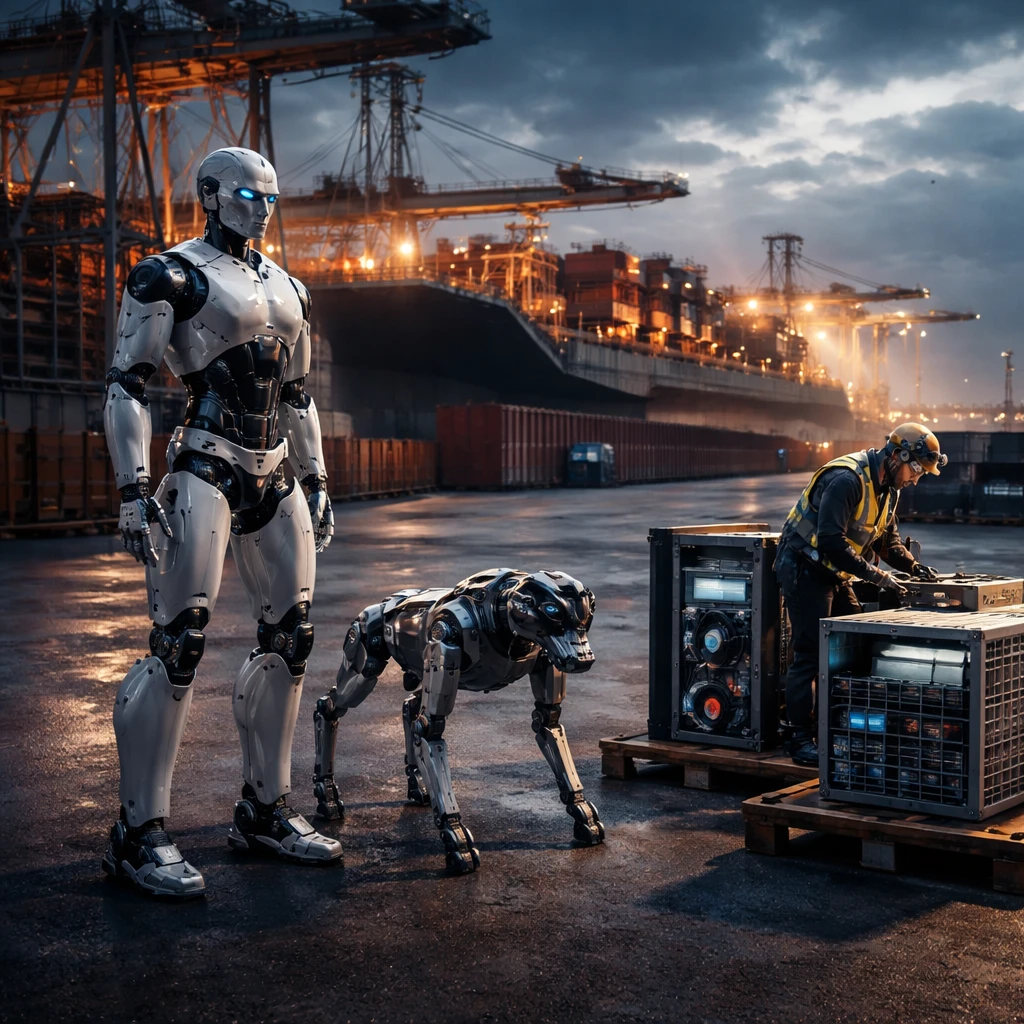
The Federal Communications Commission is scheduled to roll out the measures Tuesday afternoon. According to the officials, the restrictions will bar imports of newly developed Chinese humanoid and quadruped robots as well as connected power inverters - devices that enable renewable energy sources and batteries to interface with electric grids and data center equipment.
Officials said the step is intended to protect the United States' artificial intelligence buildout from threats the administration characterizes as national security risks. The announced rationale combines concerns about potential disruption, data theft and cyberattacks with an economic objective to encourage manufacturers to move production back to the United States.
"The President has made clear that the United States must have independent and secure supply chains for critical and emerging technologies like robotic devices and power inverters," said an administration official, who declined to be named because the matter was not public. "Economic security is national security, and the Trump administration continues to implement a nuanced and multi-faceted policy agenda to reindustrialize America," he added.
Those close to the matter described the restrictions as focused on the newest classes of robots - specifically humanoid and quadruped designs - and on connected inverters that play a role in linking renewable generation and storage to grid infrastructure and to equipment used in data centers.
Officials framed the actions as both protective and strategic: protective in terms of reducing perceived avenues for interference with AI systems, and strategic in terms of nudging supply chains and manufacturing locations toward the United States as demand for these technologies grows.
The Chinese embassy in Washington did not immediately respond to a request for comment.
Clear summary
The administration intends to use new import bans announced by the Federal Communications Commission to block Chinese-made humanoid and quadruped robots and connected power inverters, citing national security and economic goals to protect the U.S. AI buildout and promote reshoring of critical manufacturing.
Key points
- Regulatory action will be announced by the Federal Communications Commission and targets advanced Chinese robots and connected power inverters.
- Officials say the measures aim to shield the U.S. AI supply chain from disruption, data theft and cyberattacks while encouraging firms to relocate production to the United States.
- Sectors likely affected include robotics manufacturers, renewable energy equipment suppliers, and data center operators that rely on connected inverters.
Risks and uncertainties
- Uncertainty over how quickly firms can shift manufacturing and supply chains toward the United States - this affects manufacturers and supply-chain dependent sectors.
- Potential supply constraints for data centers and renewable energy projects if imports of covered inverters are blocked before domestic alternatives scale up - this impacts energy and data infrastructure markets.
- Diplomatic response and industry reaction remain unclear; the Chinese embassy did not immediately reply to a request for comment.