
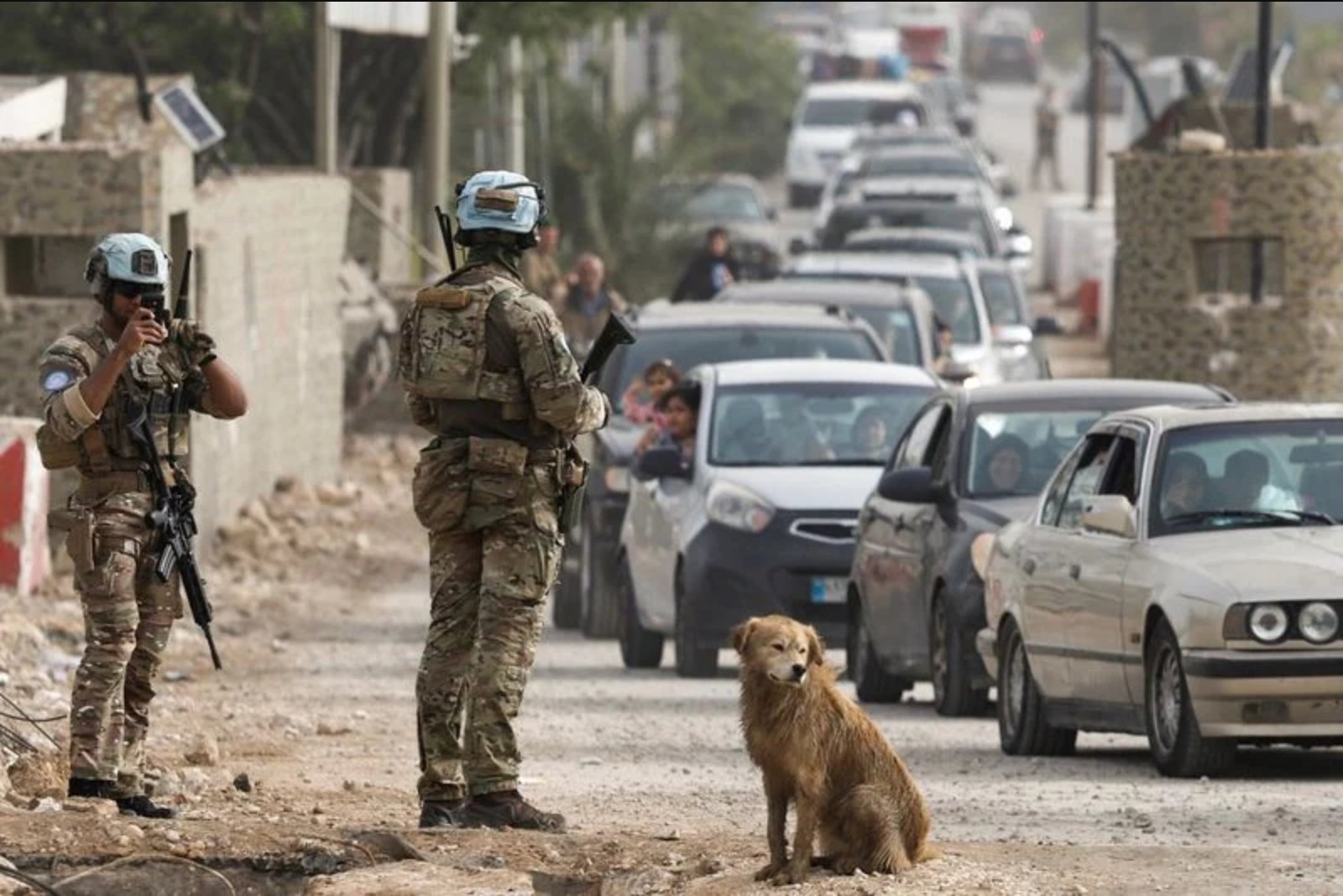
On June 23 the U.N. Security Council adopted a resolution aimed at tightening accountability for attacks targeting U.N. peacekeepers, responding to concerns over a rise in violence against personnel and persistently low prosecution rates.
The text of the resolution, drafted by Denmark and Pakistan and co-sponsored by 152 countries, passed the council unanimously. It cites a series of deadly incidents against U.N. staff, notably the killing of seven peacekeepers serving with the United Nations Interim Force in Lebanon (UNIFIL) following a fresh round of fighting between Israel and Hezbollah in early March.
The resolution urges countries hosting U.N. peacekeeping operations to take "all necessary measures" to investigate and prosecute those responsible for attacks on U.N. personnel. It highlights that prosecution rates for such crimes have remained low and emphasizes that accountability is essential to deter future attacks.
While reaffirming that host states retain primary responsibility for the safety and security of U.N. personnel, the council's text calls on all parties involved to cooperate with investigations. It also requests that the U.N. secretary-general designate "a senior focal point" within the organization to coordinate efforts to improve accountability for crimes committed against peacekeepers.
To support inquiries, the resolution encourages troop- and police-contributing countries to provide investigators, when requested by host states. In addition, it calls for an annual U.N. report tracking progress on investigations and prosecutions related to attacks on peacekeepers.
The Security Council further stated that attacks against U.N. peacekeepers may amount to war crimes, and it signaled an intention to consider additional measures to bolster accountability for such offenses.
The resolution represents a collective push by council members and a large group of co-sponsors to address both the immediate safety of peacekeepers and the systemic shortfalls in bringing perpetrators to justice. The text combines exhortations to host states, options for support from contributing countries, and a coordination mechanism within the U.N. apparatus to monitor and report on progress.