
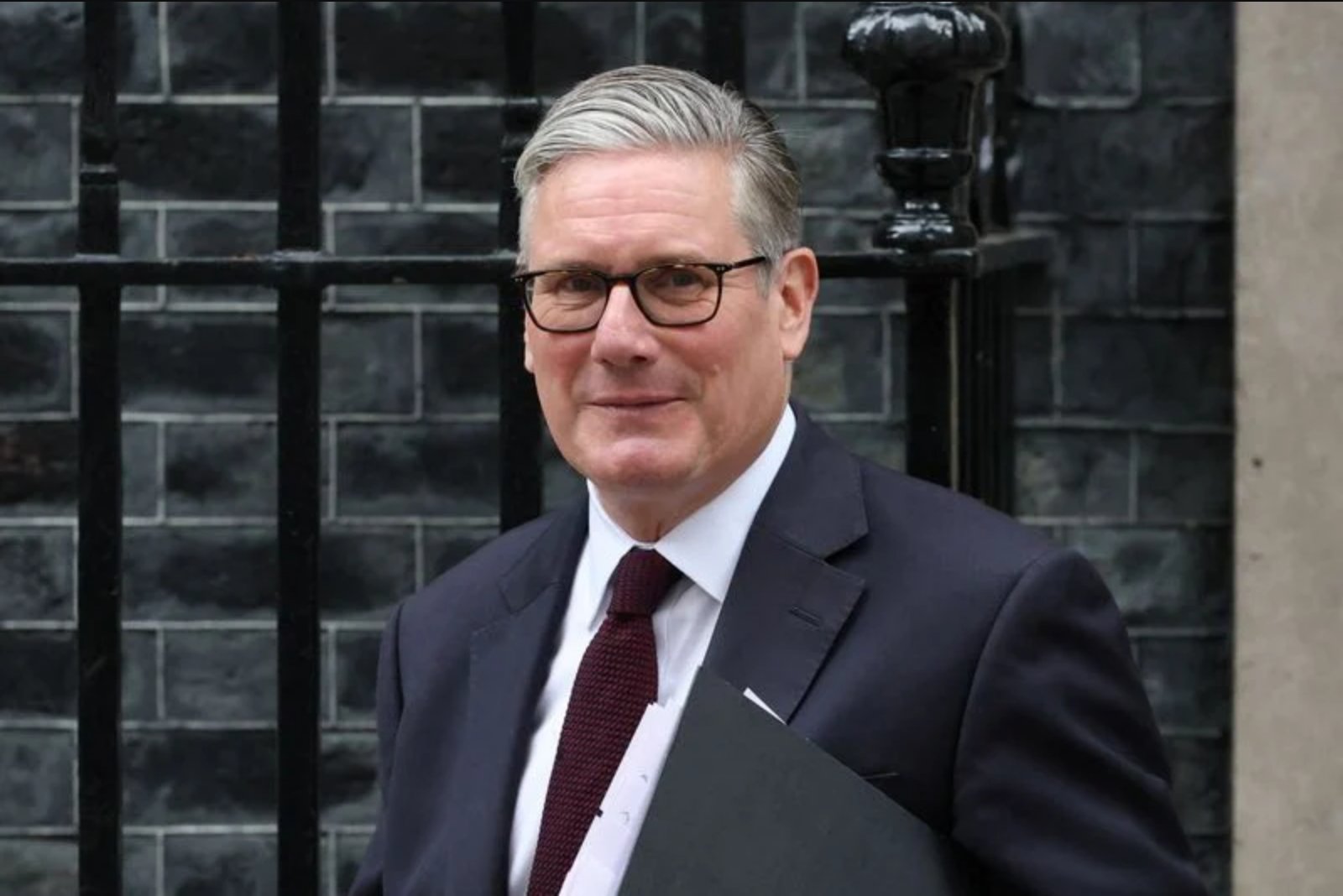
LONDON, July 4 - Keir Starmer, who announced last month that he would step down after two years in office, told the BBC that the next prime minister will have to spend as much time on foreign affairs as he has. He dismissed the idea that a successor could concentrate more on domestic questions while neglecting international crises.
Starmer framed foreign and domestic policy as two sides of the same coin. "There’s often this discussion - what’s the right balance between dealing with international affairs and dealing with domestic affairs? They’re one and the same thing," he said. When asked directly whether a prime minister might be able to allocate less time to diplomacy than he did, Starmer replied: "No, I don’t think it is possible."
The prime minister has come under criticism from some quarters over the proportion of his time devoted to international engagement. That debate has emerged alongside discussions about his successor: lawmaker Andy Burnham, widely expected to replace Starmer, has said he will prioritise domestic concerns such as living standards, housing, infrastructure and devolving more power to Britain’s regions.
In a video titled "With Keir" posted on X on Saturday, Starmer set out a defence of his international emphasis. He said Britain had regained influence on the world stage and pointed to support for Ukraine and participation in international coalitions as key achievements of his government.
"The fact that now other countries look to us for that leadership is something I’m really proud of having delivered in the two years we’ve had in government," he said.
Starmer also highlighted domestic measures he said his government had delivered, including stabilising the economy, reducing child poverty and making improvements to the National Health Service. He presented these alongside his international record to argue that both strands of policy demanded sustained attention from the country's leader.
The discussion reflects a broader debate over how a prime minister should allocate time and priorities between international responsibilities and domestic governance, especially during periods of global volatility. With a planned leadership transition under way, the balance between those priorities is likely to feature prominently in public and political debate.
Summary of key elements
- Starmer insists the next prime minister must devote as much time to diplomacy and international crises as he has.
- He defended his record on the world stage, pointing to support for Ukraine and coalition work as examples of restored global standing.
- Andy Burnham, widely expected to succeed him, has signalled a shift toward domestic priorities including living standards, housing and infrastructure.