
World May 12, 2026 07:29 PM

South Korea Considers Gradual Support for Hormuz Security After U.S. Defense Talks

Seoul signals measured backing that could range from political statements to asset sharing, while stopping short of expanded troop deployment

By Marcus Reed
Share
Twitter Reddit Facebook LinkedIn

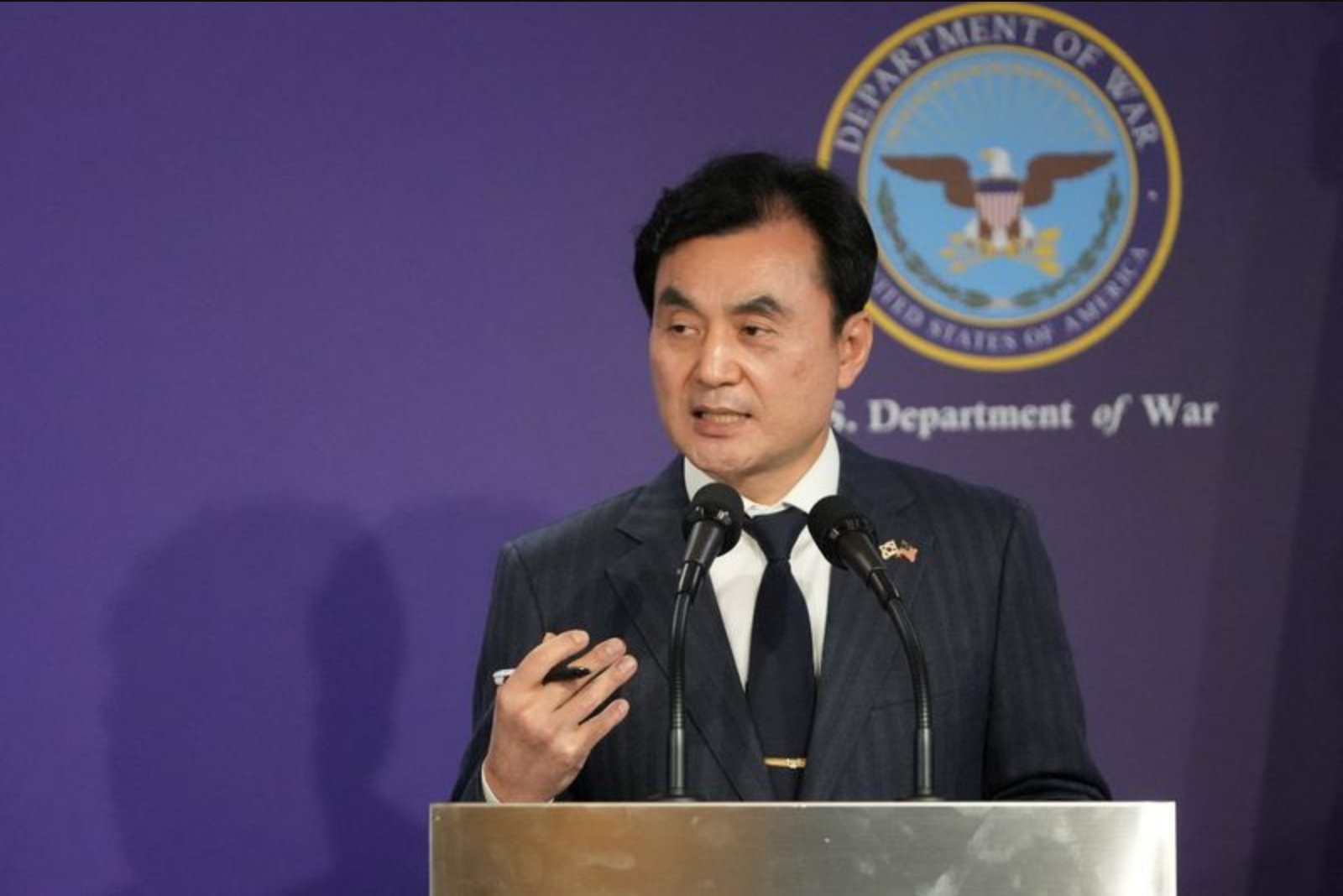
South Korea is weighing a phased approach to assisting international efforts to secure navigation through the Strait of Hormuz, Defense Minister Ahn Gyu-back said, outlining potential contributions that fall short of expanded military deployment. Speaking to South Korean reporters in Washington, Ahn said the options under review include political backing, personnel dispatches, information-sharing and provision of military assets, but that no detailed negotiations on increasing troop involvement had taken place. The comments followed a meeting with U.S. Secretary of Defense Pete Hegseth and came after an attack on a South Korean-flagged vessel in the region is under investigation.

South Korea Considers Gradual Support for Hormuz Security After U.S. Defense Talks
Summarize with
ChatGPT Perplexity Claude Grok Gemini

Key Points

  • South Korea is evaluating a phased contribution to securing navigation in the Strait of Hormuz, with potential measures ranging from political support to sharing military assets.
  • The announcement follows a meeting between Defense Minister Ahn Gyu-back and U.S. Secretary of Defense Pete Hegseth, who called on allies to "stand shoulder-to-shoulder" and referenced Operation Epic Fury as a sign of U.S. resolve.
  • Sectors likely affected include maritime shipping and logistics due to navigational security concerns, as well as defense and insurance markets that respond to geopolitical risk in key shipping lanes.

South Korea is examining a step-by-step role in international efforts to keep the Strait of Hormuz safe for navigation, Defense Minister Ahn Gyu-back said on Wednesday, according to Yonhap News Agency.

At a press briefing with South Korean media correspondents in Washington, Ahn said he had presented Seoul’s stance during talks with U.S. Secretary of Defense Pete Hegseth on Monday. Ahn described Seoul’s approach as one of measured participation by a "responsible member of the international community," and said Seoul would "review ways to contribute in a phased manner," Yonhap reported.

Ahn outlined several possible forms that phased support might take. These included political expressions of support, the dispatch of personnel, sharing of information, and the provision of military assets. He emphasized, however, that the meeting did not involve detailed discussions about expanding South Korean troop involvement.

"There was no deep discussion on something like specifically expanding our military’s participation," Ahn said, and he noted that any decision to alter levels of troop deployment would have to comply with domestic legal procedures.


His comments came a day after Seoul strongly condemned an attack on a South Korean-flagged ship near the Strait of Hormuz last week. South Korea’s presidential office denounced the incident but said it is still investigating who is responsible for the attack.


During the meeting, Hegseth urged allies to "stand shoulder-to-shoulder" in response to rising global threats and referenced U.S. President Donald Trump’s authorization of Operation Epic Fury as evidence of the U.S. administration’s resolve, Yonhap reported. Hegseth also praised South Korea’s plans to increase defense spending and take on greater responsibility for defending the Korean Peninsula, characterizing those moves as an example of alliance burden-sharing.

Separately, Ahn told reporters that Hegseth voiced understanding regarding Seoul’s position on a conditions-based transfer of wartime operational control (OPCON) from the United States, and the aim of completing that transition at an early date.

According to Yonhap, Ahn said the two sides also exchanged views on other alliance matters, including plans to build nuclear-powered submarines. He added that there had been no discussion of reducing U.S. forces stationed in South Korea or of changes to the strategic flexibility of U.S. troops based in the country.


The remarks underscore Seoul’s current posture of supporting international efforts related to security in the Strait of Hormuz while retaining constraints on committing ground forces or expanding direct military involvement without further domestic processes and deliberation.

Risks

  • Responsibility for the recent attack on a South Korean-flagged vessel near the Strait of Hormuz remains under investigation, creating uncertainty for maritime operators and insurers.
  • Seoul has not engaged in detailed talks on expanding military participation; any decision to increase troop involvement would require domestic legal procedures, introducing procedural and political uncertainty for defense planners.
  • Talks did not cover reductions in U.S. forces or changes to their strategic flexibility in South Korea, leaving alliance force posture and regional deterrence dynamics subject to continued ambiguity.

More from World

U.S. Authorities Seize Nearly 400 Domains Linked to Illegal World Cup Streams Jun 26, 2026 Texas Board Mandates Reading List That Includes Bible Passages for Public Schools Jun 26, 2026 Judge Orders DOJ to Explain Decision to Drop Criminal Case Against Adani Jun 26, 2026 U.S. to Hit Countries With Digital Service Taxes With 100% Import Tariffs, Trump Says Jun 26, 2026 U.N. Rights Chief Demands Independent Probes After Spike in Deaths in ICE Custody Jun 26, 2026