
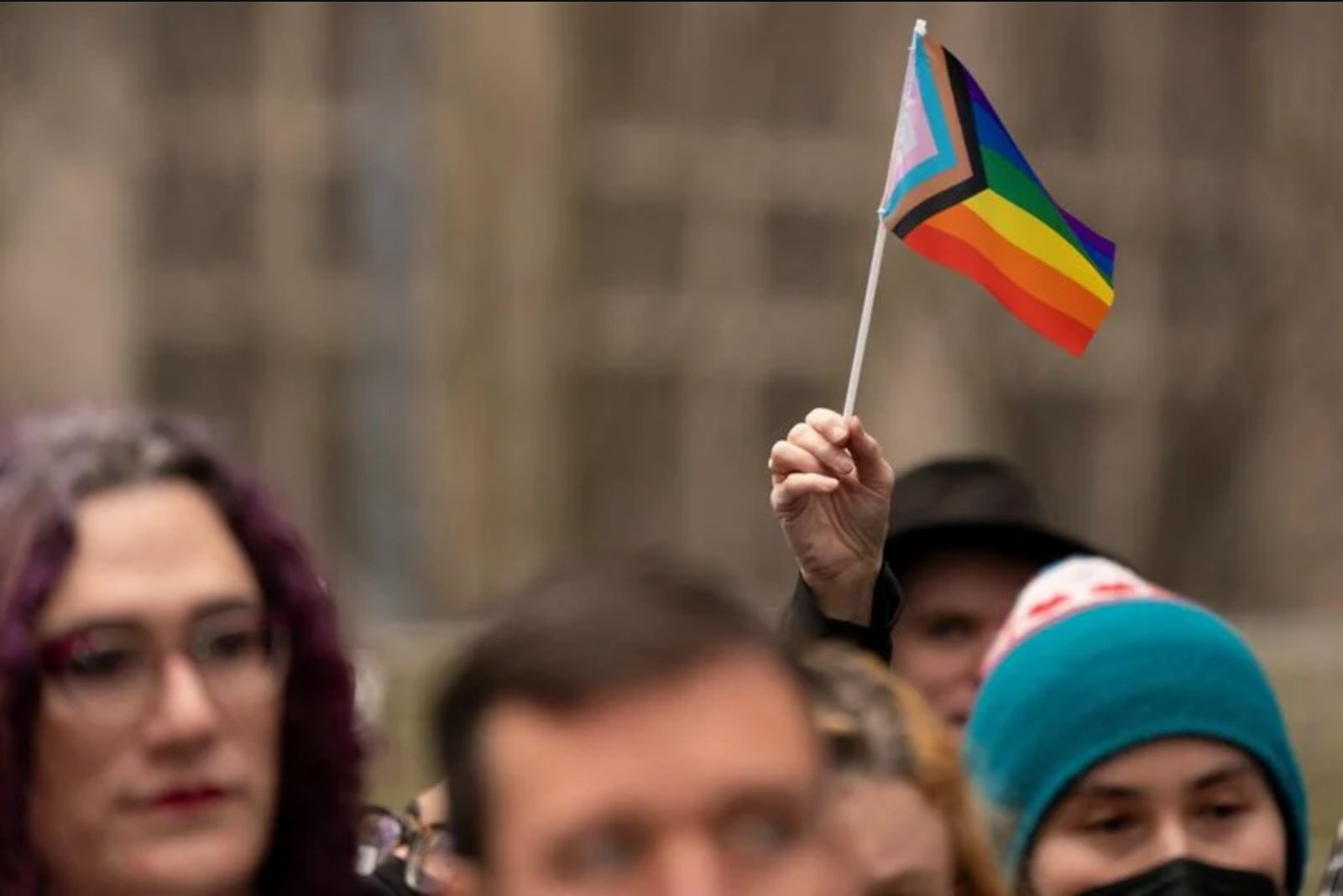
Seattle is preparing to stage a World Cup "Pride Match" this Friday even after the draw paired two nations where same-sex relations are criminalized, and where at least one has laws that can carry the death penalty for such conduct. The match, featuring Egypt and Iran, prompted objections from both countries' football authorities to FIFA, but city organizers say local Pride celebrations will not be altered.
Hedda McLendon, representing Seattle's local World Cup organizing committee, framed the situation as a matter of timing and local tradition. "The World Cup is going to come and go in three weeks," she said. "The Pride celebration ... has happened on this weekend for 50-plus years. It is going to happen this weekend, it is going to happen long after the World Cup."
The decision to proceed follows pleas from Egypt's Football Association asking FIFA to stop Pride-related activities on the grounds they conflict with the country's cultural and religious values. The governing body in Iran also filed an objection with FIFA. FIFA has said the Pride Match is a host city initiative and is separate from the organization.
For many in Seattle's LGBTQ community, the match represents a rare international spotlight. Jon Cairns, 49, manager of local LGBTQ+ venue Kremwerk, said some people in the community had mixed reactions to the participant nations, but that the event offers a platform to promote acceptance at a scale few other forums can offer. "My reaction is let’s have them," he said, noting that international sports have catalyzed social change by reaching vast audiences.
Cairns argued that the global visibility of events such as the World Cup creates opportunities for conversations that are otherwise difficult to stage, saying television viewership in Iran and Egypt would not simply be switched off to avoid seeing a Pride flag in the stands. He described international sport as uniquely positioned to broadcast social moments to millions.
The situation is not without historical echoes. The article referenced how previous tournaments have contended with differences between host-country norms and visiting fans or teams, including high-profile disputes over symbolic gestures and the boundaries set by governing bodies. In past tournaments, protests and planned displays have at times collided with FIFA policy and local norms.
Locally, some see the Pride Match as an occasion to offer solidarity to LGBTQ people from nations with repressive laws. Ryan Webster, a 40-year-old lifestyle manager who was at Kremwerk the weekend before Pride, said the event could enable visitors from those countries to celebrate openly in a way they may not be able to at home. The club plans to host a watch party for Friday's game.
Inside Kremwerk during a pre-Pride gathering, Viper Fengz performed a lip-sync to Cher's "Believe" before introducing fellow drag artists. Fengz, who gave only their stage name, welcomed the overlap between Pride and the World Cup as a chance to gain greater visibility and perhaps reach some new audience members. "I think it’s always great for us to be able to share space and share places with people who don’t have the same experiences as us," they said.
Fengz also acknowledged the strain that can accompany such openness. They noted that people from marginalized communities often find themselves in the position of having to educate others who were not raised with the same worldview. "Sometimes you just have to be the bigger person and show grace where you can and know that everyone is a human learning (from) different experiences, but also it can get hard — because you’re on the shorter end of the stick, always trying to have to explain yourself around people who don’t grow up with the same worldview," Fengz said.
Organizers in Seattle emphasize that the designation of the Pride Match is part of host city programming and not a FIFA directive. That distinction has real implications for how the event is framed locally and how critics abroad have chosen to register their objections.
Within the city, Pride flags and celebrations are visible year-round, and June remains the apex of local Pride activity. Organizers say the long-standing nature of Seattle's Pride weekend informed their decision to proceed with the match activities regardless of the national associations' protests to FIFA.
At the same time, some members of the local LGBTQ community continue to weigh the optics and ethics of celebrating during a match featuring teams from countries with harsh laws against same-sex relationships. Others see the converging events as an opportunity to amplify voices that are otherwise suppressed in their countries of origin.
As the scheduled match approaches, Seattle's local World Cup organizers and community venues are moving forward with planned programming and watch parties. The city’s Pride weekend, a fixture that organizers say will outlast the World Cup, is set to proceed in full.
Correction: The performer referenced in paragraph 20 is Viper Fengz.