
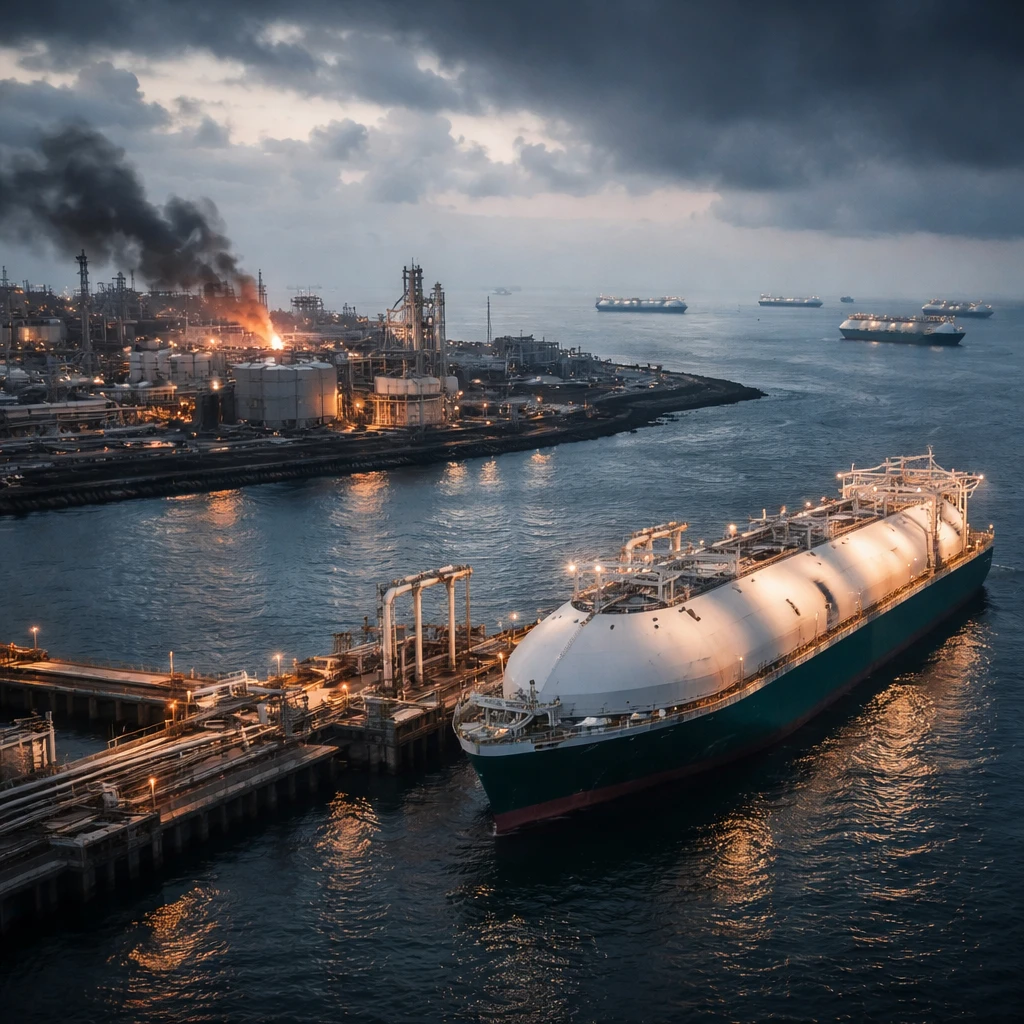
QatarEnergy has entered discussions to secure long-term shipments of liquefied natural gas (LNG) from United States export projects, according to people familiar with the matter. The talks encompass supplies from both established terminals and facilities still under construction.
The move comes as the ongoing war involving the United States and Iran has hampered Qatar's capacity to deliver cargoes. Prior to the conflict, Qatar supplied about a fifth of the world's LNG. Since the outbreak of hostilities, many Qatar-origin shipments have effectively halted because of the hazards associated with transiting tankers through the Strait of Hormuz.
In addition to transit risks, Qatar's largest export site, the Ras Laffan liquefaction complex, suffered damage from an Iranian strike in the early weeks of the war. Before the conflict began in late February, Doha had been pursuing a plan to nearly double output from Ras Laffan by 2030. The strike has interrupted that expansion trajectory and weighed on the company's ability to meet contracted deliveries.
Officials and industry contacts describe the discussions with U.S. suppliers as the first public sign since the war started that Qatar is actively seeking to broaden its sourcing beyond the Middle East. Buyers and exporters in the global LNG market have been managing new logistical and geopolitical constraints, and QatarEnergy's outreach to U.S. projects underscores how those constraints are reshaping traditional supply relationships.
For Qatar, securing long-term contracts with U.S. export facilities would represent a substantial strategic shift for a dominant exporter. For U.S. projects, any deals would connect American liquefaction capacity more directly to markets historically served by Gulf exporters.
Details on timelines, volumes and contractual terms have not been disclosed publicly. The discussions indicate a response to immediate operational limitations rather than a confirmed long-term restructuring of sourcing, and they reflect how ongoing conflict can prompt major energy companies to re-evaluate supply chains to sustain customer commitments.
Summary of developments
- QatarEnergy in talks to buy U.S. LNG under long-term arrangements from existing and under-construction export plants.
- War-related disruptions - including transit risks through the Strait of Hormuz and damage to Ras Laffan - have curtailed Qatar's exports, which previously accounted for about 20% of global LNG shipments.
- The negotiations are the first clear sign Qatar is looking outside the Middle East for additional supply since the war began.