
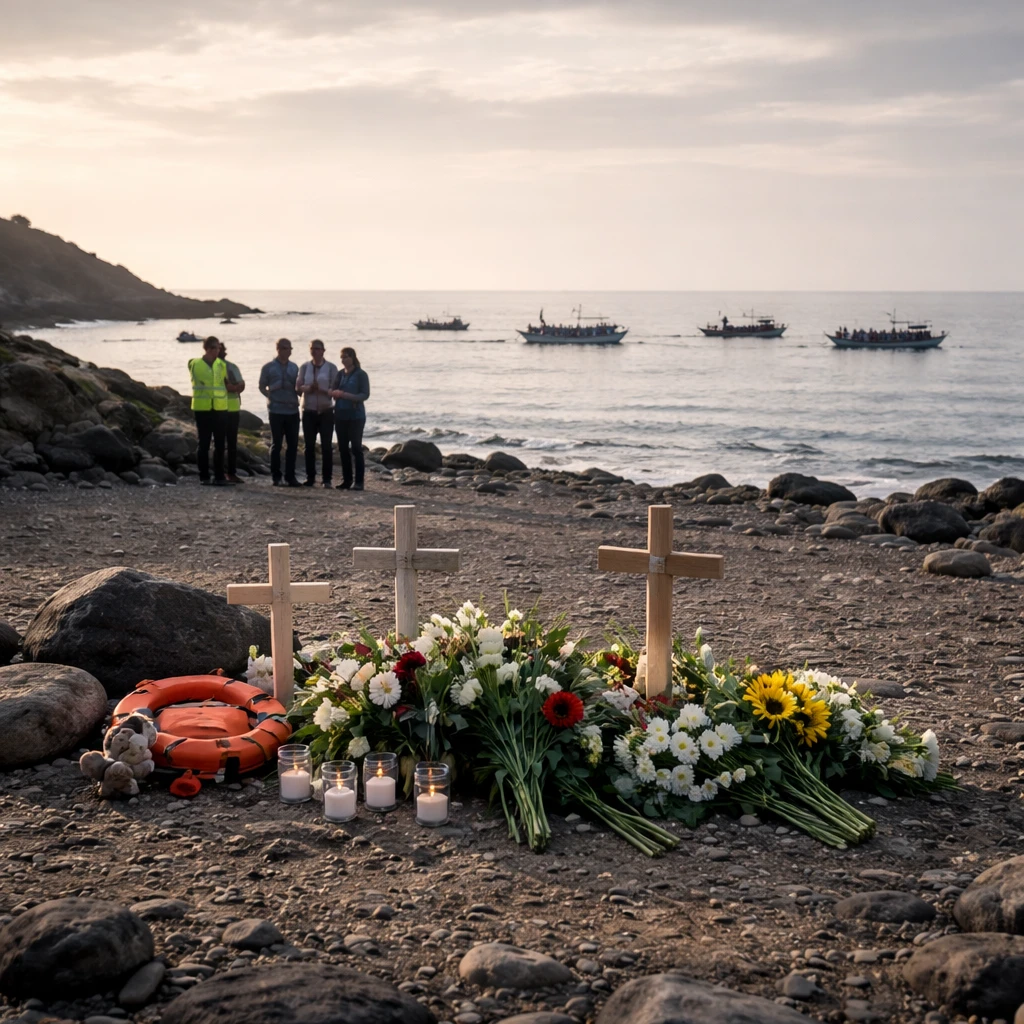
On June 11, Pope Leo departed Barcelona for the Canary Islands, marking the final leg of his week-long visit to Spain. The stop in the archipelago off Africa’s western coast is a central element of the papal trip, during which the pope has highlighted the wider humanitarian strains caused by escalating global conflicts.
Arriving on Gran Canaria at about 10:50 a.m. (0950 GMT), the pope is scheduled to meet with several organizations that assist newly arrived migrants. Those engagements will be followed by a visit to a memorial where he will lay flowers in honor of people who died trying to cross the Atlantic.
Juan Carlos Lorenzo, coordinator of the Spanish Commission for Refugees in the Canary Islands, described the papal visit as a “significant milestone.” Lorenzo told reporters that the appearance will stand as a strong affirmation of human rights, respect and the dignity owed to everyone regardless of their origin. The pope is expected to meet with around 1,000 migrants on Friday during the stop.
The visit comes against a stark backdrop: more than 3,000 people died in 2025 attempting to reach the Canary Islands, according to the NGO Caminando Fronteras. That figure has been referenced in discussions about the risks migrants face when attempting the Atlantic crossing to Spanish territory.
In recent months the pope has spoken sharply about the direction of international leadership, pressing the point that inadequate assistance for migrants challenges what he called “the ethical foundation of the international order.” He raised those concerns earlier in the week while addressing Spain’s parliament.
Spain has taken a comparatively open approach to migration across much of Europe, implementing a program designed to grant residency to more than half a million undocumented people. The initiative has attracted criticism from far-right leaders in Spain and elsewhere on the continent. Authorities are also contending with a slow process for granting legal status to thousands left in limbo.
The papal stop in the Canaries is intended to draw attention to both the human toll of dangerous sea crossings and the wider policy debates playing out in Spain and across Europe. On arrival the pope’s schedule focuses on direct contact with aid groups and people affected by migration, followed by the commemorative gesture at the sea memorial.