
World August 27, 2026 06:40 AM

Norwegian King Harald’s Condition Declared 'Very Serious' as Family and Officials Rally at Hospital

89-year-old monarch hospitalized with a blood bacterial infection; senior figures cancel foreign visits and public engagements

By Derek Hwang
Share
Twitter Reddit Facebook LinkedIn

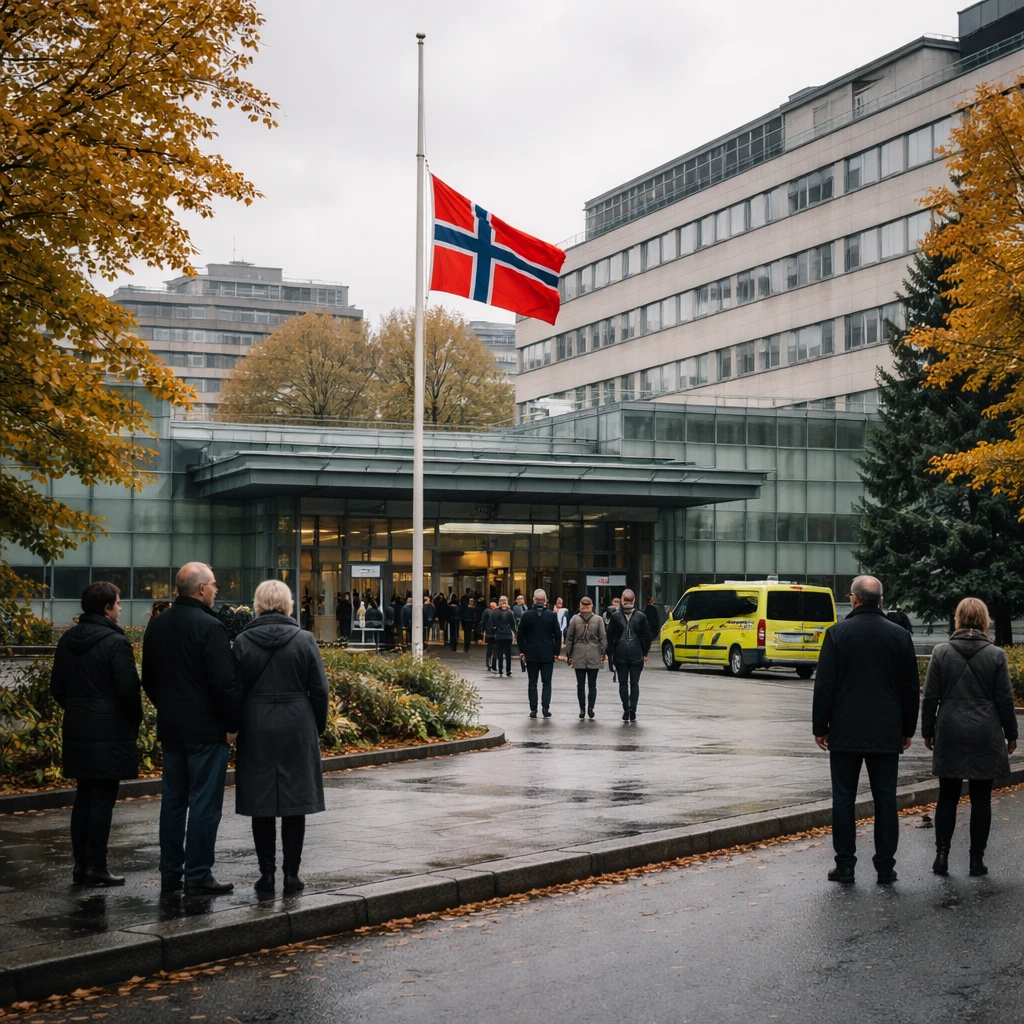
King Harald of Norway, 89, Europe’s oldest living monarch and Norway’s ceremonial head of state since 1991, has been hospitalized with a bacterial blood infection and his condition has deteriorated to what the royal court calls "very serious." Close family members and senior officials have canceled planned engagements and returned to Oslo to be near the king at Oslo University Hospital.

Norwegian King Harald’s Condition Declared 'Very Serious' as Family and Officials Rally at Hospital
Summarize with
ChatGPT Perplexity Claude Grok Gemini

Key Points

  • King Harald, 89, is being treated in hospital for a bacterial infection in his blood; the royal court has described his condition as "very serious" - impacts the monarchy and state ceremonial functions.
  • Crown Prince Haakon and Queen Sonja have cancelled planned events, and family members were reported arriving at Oslo University Hospital - this affects domestic ceremonial scheduling and public engagements.
  • Senior officials and delegations, including the prime minister, the speaker of parliament, a parliamentary committee, and the Lutheran Church of Norway’s College of Bishops, have altered or cut short foreign visits and trips - this affects diplomatic engagements and international scheduling.

The royal court in Oslo announced on Thursday that King Harald, 89, has seen a decline in his health while receiving care in hospital and that his condition is now "very serious." The king, who has served as Norway's ceremonial head of state since 1991 and is recognised as Europe’s oldest living monarch, was admitted to hospital on August 17 for treatment of a bacterial infection in his blood.

In response to the development, Crown Prince Haakon and Queen Sonja have both cancelled their scheduled public events, the palace said in a statement. Norwegian media reported that members of the royal family, including the crown prince and the queen, were observed arriving at Oslo University Hospital, where the king is being treated.

Senior national officials also adjusted their foreign travel plans. Prime Minister Jonas Gahr Stoere called off a trip to Germany and told the media, "The whole nation is with us as we send warm thoughts to the king and the rest of the royal family." The speaker of Norway’s parliament, Masud Gharahkhani, interrupted an official visit to Iceland and was returning to Norway. The Committee of Foreign Relations and Defence announced that its members would head back from South Korea.

The Lutheran Church of Norway’s College of Bishops, which was in Rome for a rare visit with the pope, said it would return home as soon as possible, according to media reports. The palace statement and subsequent movements by the royal family and officials underscore the immediate domestic and diplomatic adjustments prompted by the king’s health.

Separately, the court noted that in 2024 the king had stated he planned to scale back the number of official activities he undertakes in view of his age, but he rejected the idea of abdication, saying his oath as king was for life.


Context and present-day impact

The developments have produced a wave of cancellations and returns among Norway's political, parliamentary and religious leadership, as close relatives and top officials gather at the hospital. The situation remains fluid and the royal court has described the king’s state as "very serious."

Risks

  • Uncertainty over continuity and scheduling of state and ceremonial duties while the king is in hospital - potential short-term disruption to governmental and royal event planning.
  • Cancellations and returns by political and diplomatic delegations create uncertainties in ongoing international engagements and bilateral meetings - potential short-term disruptions to foreign relations and official visits.
  • Concentration of family and senior officials at the hospital may lead to compressed decision-making timelines for scheduling public events and state functions - uncertainty for institutions coordinating national ceremonies and official duties.

More from World

North Korea Condemns U.S. Missile Sale to South Korea, Promises Immediate Response Aug 27, 2026 Australia says 34 citizens among those missing after Nepal floods as information remains scarce Aug 27, 2026 U.S. Commission Calls for Targeted Sanctions Over Visit by RSS Leader Aug 26, 2026 Satellite Imagery Indicates Glacier Snout Collapse Likely Set Off Deadly Nepal Flash Flood Aug 26, 2026 Global Mourning as Fans and Leaders React to Country Star's Death Aug 26, 2026