
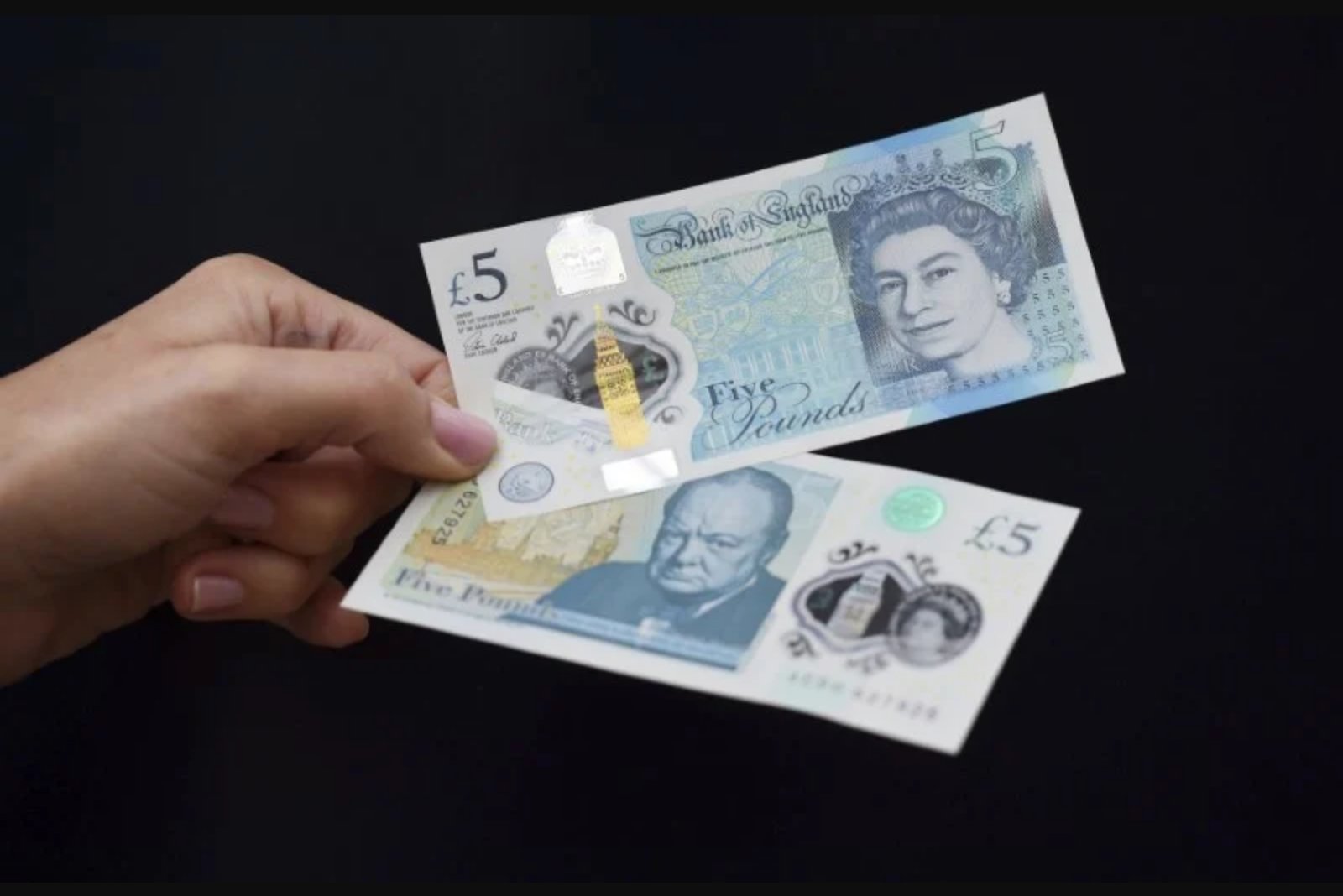
Sterling traded marginally lower on Monday while the euro slid toward its 52-week lows, a move that has helped the dollar press higher as markets price a longer-lived tightening cycle for U.S. interest rates relative to those elsewhere.
By 04:31 ET (08:31 GMT), sterling was quoted at $1.3235, down 0.04%, while the euro had fallen 0.43% to $1.1204.
Chris Turner, global head of markets at ING, said the dollar index is "pushing smartly to new highs of the year," and noted the euro's decline is a key driver given the single currency accounts for 58% of the index basket. Turner identified 102.85 as the next upside target for the dollar and emphasized a central theme supporting the move: "Core support for the dollar should continue to come from the fact that expectations for the monetary policy tightening cycle remain far more resilient for the Fed than for overseas central banks - especially the ECB."
Market estimates have shifted since late September, with 30 basis points being removed from expected ECB tightening, compared with 13 basis points trimmed for the Fed, according to ING's assessment. That relative resilience in U.S. policy expectations has underpinned dollar demand, even after a U.S. jobs report on Friday that ING described as "softish."
Despite that payrolls print, the dollar remained supported as markets price an unchanged Fed at the late-October meeting, with a hike penciled in for December. ING characterizes that pricing as hawkish. Looking ahead, traders will focus on ISM services data due today and on the FOMC minutes scheduled for Wednesday evening, both of which ING expects to be dollar-positive. The minutes could offer insight into why several Fed officials still projected a second hike this year in their dot plot projections.
For the pound, ING suggested its recent movement largely reflects dollar strength and euro frailty rather than fresh U.K. specific fundamentals. The pound did appreciate against the euro as the single currency weakened, and Turner highlighted that "the big declines in EUR/CHF and EUR/GBP point to a larger risk premium going into the euro."
Part of the euro's weakness has been connected to renewed French fiscal concerns following last week's sell-off in French debt. Turner commented: "For the time being it looks like investors will steer clear of French debt." Market participants are watching whether France's budget submission will gain traction in a divided parliament, and attention is also on remarks from an ECB conference in Frankfurt set for today. Turner said the ECB must strike a balance - talking tough on inflation while remaining poised to intervene if the French sell-off intensifies.
ING remains anchored to an EUR/USD target band of 1.1100/1.1120, while acknowledging a risk that the pair could extend toward 1.10. "The cyclical story looks negative for the coming months," Turner said. He noted a single upside surprise scenario: U.S. midterm election outcomes that prompt a White House policy response, which "would unnerve a buy-side which is now overweight in dollars."
Market snapshot (select):
- GBP/USD -0.13% (as shown in market listings)
- EUR/USD -0.34% (as shown in market listings)
- EUR/GBP -0.21% (as shown in market listings)
- DX +0.21% (dollar index reference from market listings)
- FR5YT=RR -0.73% (French 5-year reference from market listings)
With the dollar pressing higher and the euro under pressure, currency markets will likely remain sensitive to central bank messaging and to developments around French fiscal stability. Short-term directional cues may come from incoming U.S. economic data and the Fed minutes, while European sentiment will hinge on political and market responses to France's budget process and any ECB commentary from Frankfurt.