
World August 30, 2026 09:51 PM

Nepal Estimates $4-$5 Billion Rebuild Cost After Devastating Glacier Collapse Floods

Finance minister says initial reconstruction bill could equal almost a tenth of GDP as authorities assess widespread damage to towns and hydropower infrastructure

By Caleb Monroe
Share
Twitter Reddit Facebook LinkedIn

Nepal's finance minister placed an initial reconstruction estimate at $4-$5 billion after a glacier collapse triggered destructive floods that killed hundreds and left thousands missing. The disaster damaged towns, roads, bridges and major hydropower projects, posing a substantial economic burden for a country dependent on remittances, tourism and hydropower.

Nepal Estimates $4-$5 Billion Rebuild Cost After Devastating Glacier Collapse Floods
Summarize with
ChatGPT Perplexity Claude Grok Gemini

Key Points

  • Preliminary reconstruction cost estimate of $4-$5 billion - impacts fiscal planning and reconstruction budgets.
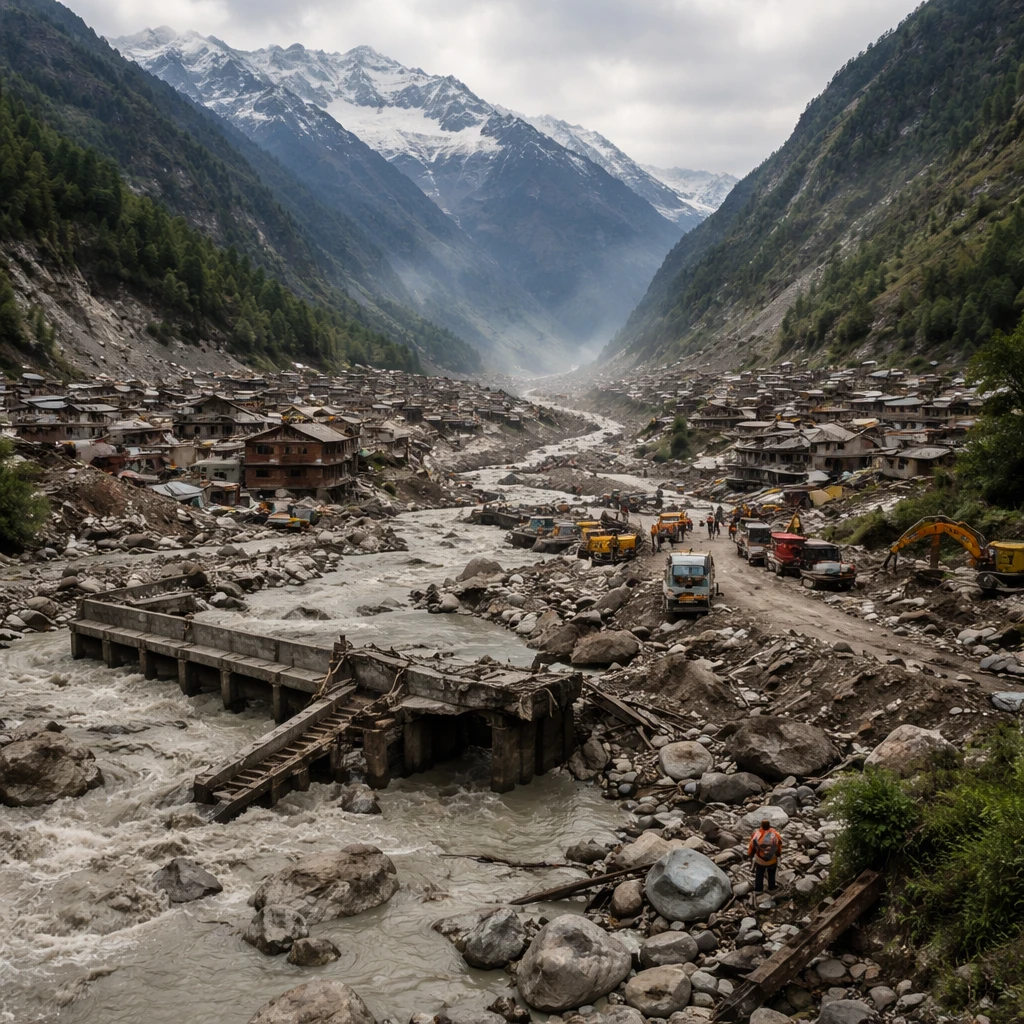
  • Floods destroyed towns, roads and bridges and damaged major hydropower stations - affecting infrastructure and energy supply.
  • Economic sectors likely hit include remittances, tourism and hydropower - hydropower projects affected account for more than 12% of national generating capacity.

Immediate cost estimate and official remarks

Nepal may need between $4 billion and $5 billion to rebuild following the catastrophic floods unleashed by a glacier collapse earlier this week, Finance Minister Swarnim Wagle told Reuters on Saturday. "The initial estimate is between $4-$5 billion. Just an estimate," Wagle said. "We will require much less than what we needed for the 2015 earthquake. Loss and damage is being assessed."


Scope of the disaster

A glacier collapse on Wednesday sent a torrent of rock, ice, mud and debris through Himalayan river systems, with the immediate human toll described in official reports as more than 600 people killed across Nepal and China’s Tibet and more than 2,000 still unaccounted for. The floods levelled towns along the border area, swept away bridges and roads, and damaged major hydropower stations.


Economic context and comparisons

Wagle did not provide detailed reasons why the reconstruction bill is expected to be lower than the roughly $9 billion spent on rebuilding after the 2015 magnitude-7.8 earthquake, which remains Nepal’s worst recorded disaster. That quake killed nearly 9,000 people, destroyed more than half a million homes and caused losses estimated at around a third of Nepal’s economy.

Officials caution that the assessment of loss and damage from the glacier collapse is ongoing. Nonetheless, analysts and policymakers note the floods will be a serious setback for an economy that depends heavily on remittances, tourism and hydropower. The disaster has damaged power projects that account for more than 12% of national generating capacity, amplifying the potential economic disruption.


Outlook

At this stage, government officials are treating the $4-$5 billion figure as a preliminary estimate subject to revision as assessments continue. The full burden of reconstruction, repair of infrastructure and recovery for affected communities will depend on the evolving damage appraisals now underway.

Risks

  • Loss and damage assessments are ongoing - final reconstruction costs could change as officials complete evaluations (affecting fiscal and budget forecasts).
  • Damage to hydropower infrastructure may disrupt electricity generation - posing risks to power supply and investments in the energy sector.
  • High human toll with more than 2,000 unaccounted for - continuing humanitarian and recovery needs could strain government resources and services.

More from World

Flavio Bolsonaro Says He Will Accept October Vote and Run Under Current Rules Aug 30, 2026 U.S. Forces Strike Two Launchers on Iran's Larak Island, Officials Say Aug 30, 2026 Nepal Sought Early Glacier Warnings from China as Risks Escalated Before Deadly Flood Aug 30, 2026 NATO: No Immediate Attack Threat, But Hybrid Actions by Russia Are Rising Aug 30, 2026 Death Toll in Kyiv Region Depot Strike Climbs to 38 as Search Continues Aug 30, 2026