
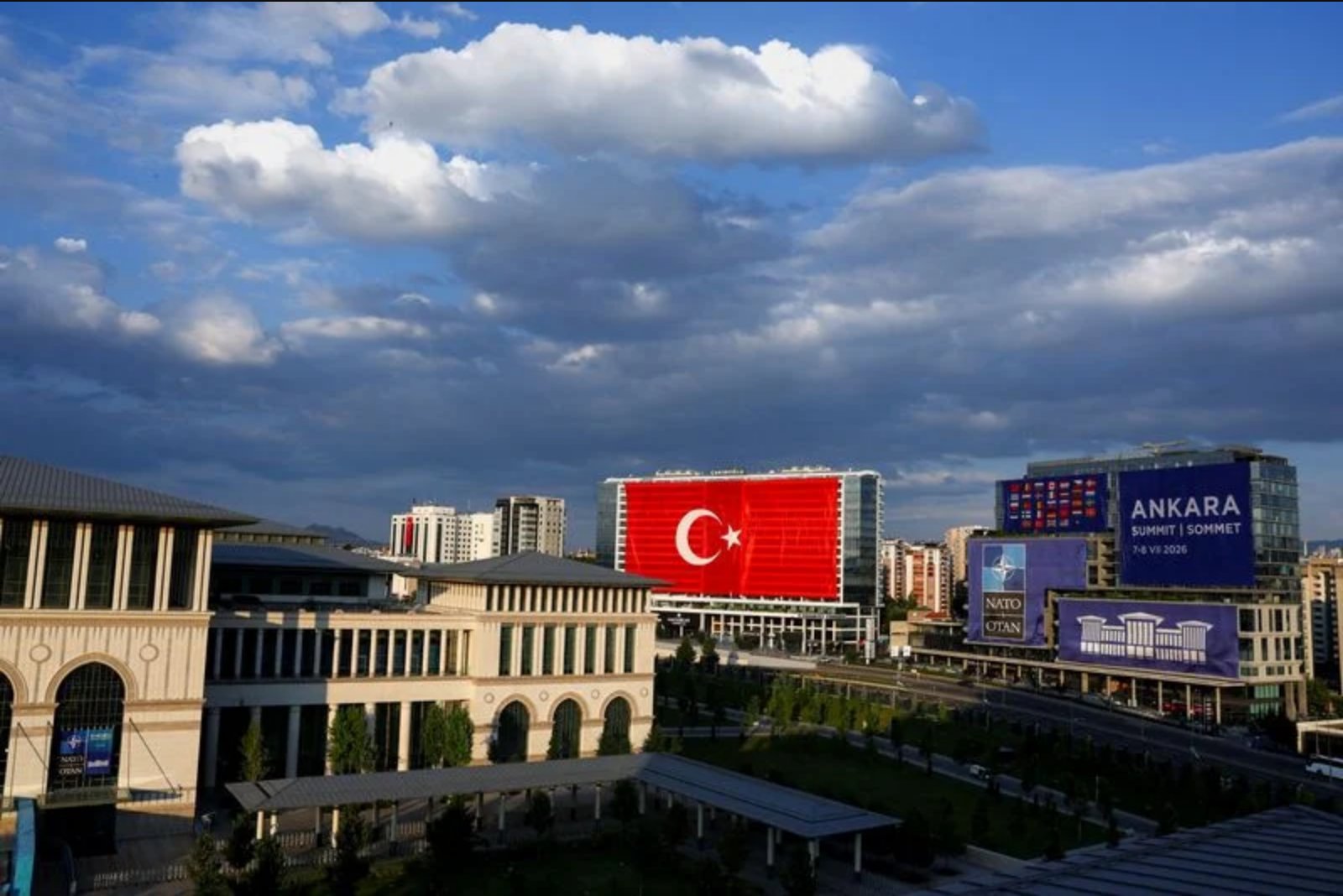
NATO leaders are set to disclose a series of substantial arms contracts in Ankara on Tuesday as they seek to demonstrate greater European defence investment before joining President Donald Trump for a summit. The procurement announcements, expected to total tens of billions of dollars, will be presented by European governments at a NATO defence industry forum prior to the summit, which opens with a dinner on Tuesday evening and will include a bilateral meeting between President Trump and Turkish President Tayyip Erdogan.
NATO Secretary General Mark Rutte said on Monday that European members have delivered "staggering" increases in defence spending. He attributed the rise in part to concerns about Russia following its 2022 invasion of Ukraine, and also to the effect of forceful prompting from President Trump for European allies to spend more.
Rutte emphasized a shift in the alliance's burden-sharing dynamics, saying, "We are now creating an alliance which is sustainable, where the U.S. knows it is a fair deal." He made the comments to reporters in Ankara on the eve of the summit. Rutte also said last month that NATO's European members together with Canada increased defence spending by $90 billion in real terms in 2025 compared with 2024, lifting combined expenditure to more than $570 billion - an increase of about 20% within a single year.
President Trump has frequently criticized European allies for relying disproportionately on the United States for their defence. In recent months he has intensified that critique, accusing NATO partners of not doing enough to support the U.S. in its war with Iran and at times suggesting he might withdraw from the alliance or ignore its mutual defence commitments.
European officials counter that they largely honoured requests that allowed the United States to use European airspace and bases despite not having been consulted about the conflict, a war that, according to officials, disrupted their economies and proved deeply unpopular across Europe.
At the same time, Washington has taken operational steps that European officials view as significant. The United States has announced troop withdrawals from Europe, reduced the forces it assigns to NATO defence plans - including an aircraft carrier, refuelling aircraft, fighter jets and drones - and launched a six-month review of its military presence on the continent.
Those moves have amplified the sense among some NATO members that they must strengthen their own defence capabilities. European officials say they are prepared for further criticism from President Trump during the summit but are relying on close personal relationships between him and leaders such as Turkish President Erdogan and Mark Rutte to help keep the meeting from deteriorating. Even so, officials acknowledge they cannot be certain of a constructive outcome, noting lingering tensions tied to Greenland and Iran as well as friction in the U.S. president's recent dealings with other leaders, most recently exemplified by a dispute with the Italian prime minister.
Details of the arms deals slated for announcement have been deliberately withheld to create a public relations impact ahead of the summit. The Dutch Defence Minister Dilan Yesilgoz said on Monday that her country would declare contracts and plans valued at more than 3 billion ($3.43 billion). Those plans include collaboration with Belgium on air defence systems and with Britain on naval ship programmes.
In addition, NATO intends to announce a plan to replace its ageing fleet of U.S.-built AWACS surveillance aircraft with a Swedish alternative, Saab's GlobalEye, according to multiple sources with knowledge of the matter. The shift to a new platform is part of the broader effort to modernize NATO's surveillance and command capabilities as European members expand their defence procurement.
Officials are framing the announcements as evidence that Europe is increasing its defence contribution and investing in the capabilities needed for collective security. But the backdrop of recent U.S. force reductions and pointed public criticism from President Trump means that the summit in Ankara could test the alliance's cohesion and the durability of newly amplified European spending commitments.
Summary
NATO will unveil major defence contracts worth tens of billions of dollars at a defence industry forum in Ankara before leaders, including President Donald Trump and Turkish President Tayyip Erdogan, meet for a summit. Secretary General Mark Rutte highlighted significant increases in European defence spending, while officials noted ongoing tensions stemming from U.S. criticism and force adjustments related to the conflict with Iran. Specific deal details have been kept confidential, though the Netherlands will announce more than 3 billion in deals including partnerships on air defence and naval ships, and NATO plans to replace AWACS aircraft with Saab's GlobalEye.
Key points
- European NATO members will announce arms contracts totaling tens of billions of dollars to be revealed at a defence industry forum in Ankara - sectors impacted include defence procurement, aerospace, and naval shipbuilding.
- NATO Secretary General Mark Rutte said European and Canadian defence spending rose by $90 billion in 2025 versus 2024, bringing total spending to more than $570 billion - an about 20% rise in one year, underscoring larger defence budgets across Europe.
- Planned announcements include more than 3 billion in Dutch deals with partnerships on air defence and naval ships, and a NATO plan to replace U.S.-built AWACS aircraft with Saab's GlobalEye - relevant to aerospace and defence manufacturers.
Risks and uncertainties
- Summit tensions - renewed and forceful criticism from President Trump could unsettle relations among NATO members and affect collaborative decision-making - impacting defence policy and procurement timelines.
- U.S. force posture - announced U.S. troop withdrawals and reductions in forces assigned to NATO defence plans, alongside a six-month review of U.S. presence in Europe, create uncertainty about future collective defence guarantees and operational planning.
- Deal opacity - with many contract details being kept under wraps until the announcements, there is uncertainty for suppliers and markets about the scope and timing of procurement programmes.