
Artificial intelligence has the potential to lift inflation in the near term, even as its longer-run effect on price levels remains unclear, Swiss National Bank governing board member Petra Tschudin said in an interview published today.
The SNB is closely watching how AI-related developments influence consumer prices because the technology can cut both ways for inflation dynamics, Tschudin told the newspaper Finanz und Wirtschaft.
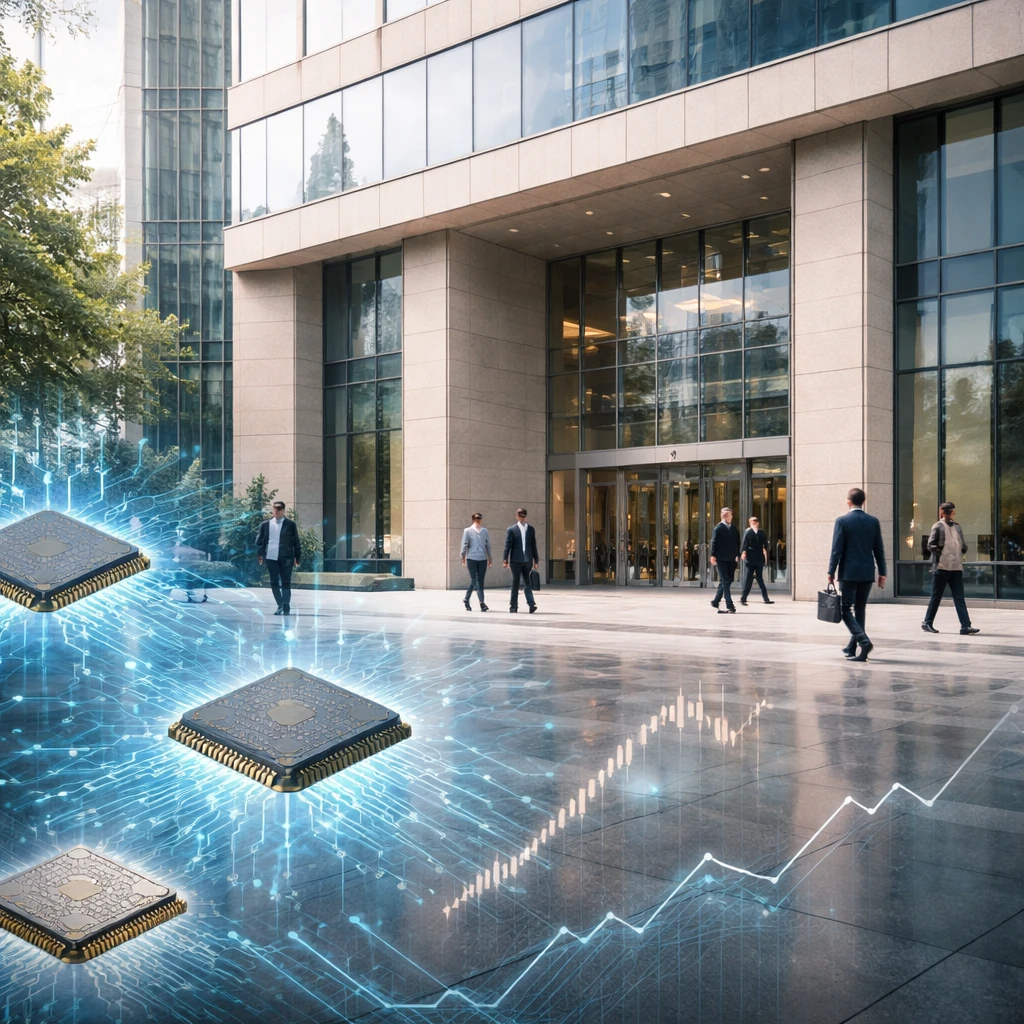
"Investment flows are being partly redirected, which can mean adjustments and difficulties for the rest of the economy," she said. "Shortages can occur, for example with chips, causing prices to rise. In the short or medium term, therefore, upward inflationary pressure can also arise."
Tschudin noted that while AI may depress prices over a longer horizon by raising productivity and reducing production costs, the mechanics of official inflation measurement make sustained, repeated declines necessary for a deflationary trend to appear in annual statistics.
"Is that realistic? Productivity gains as such are not a new phenomenon. They do not, by themselves, lead an economy into structural deflation," Tschudin said.
The comments reflect the SNB's interest in the transmission channels through which AI could alter price pressures. In particular, shifts in investment patterns and episodic supply shortages - the example cited being chips - are identified as routes by which near- or medium-term price increases may materialize.
Separately, the International Monetary Fund's chief economist Silvana Tenreyro cautioned in research published by Bank of England staff that AI might not reduce inflation even if it lifts productivity, a point that echoes the uncertainty Tschudin described.
Meanwhile, the SNB's most recent projection indicates inflation will remain within the bank's target range of 0% to 2% annual price growth through the first quarter of 2029.
Implications and monitoring
- The SNB is tracking AI's impact on prices because the technology can produce both inflationary and deflationary forces.
- Short-term inflationary pressure could arise from redirected investment and supply constraints such as chip shortages.
- Longer-term price effects depend on repeated productivity-driven declines; Tschudin said such gains alone do not typically create structural deflation.