
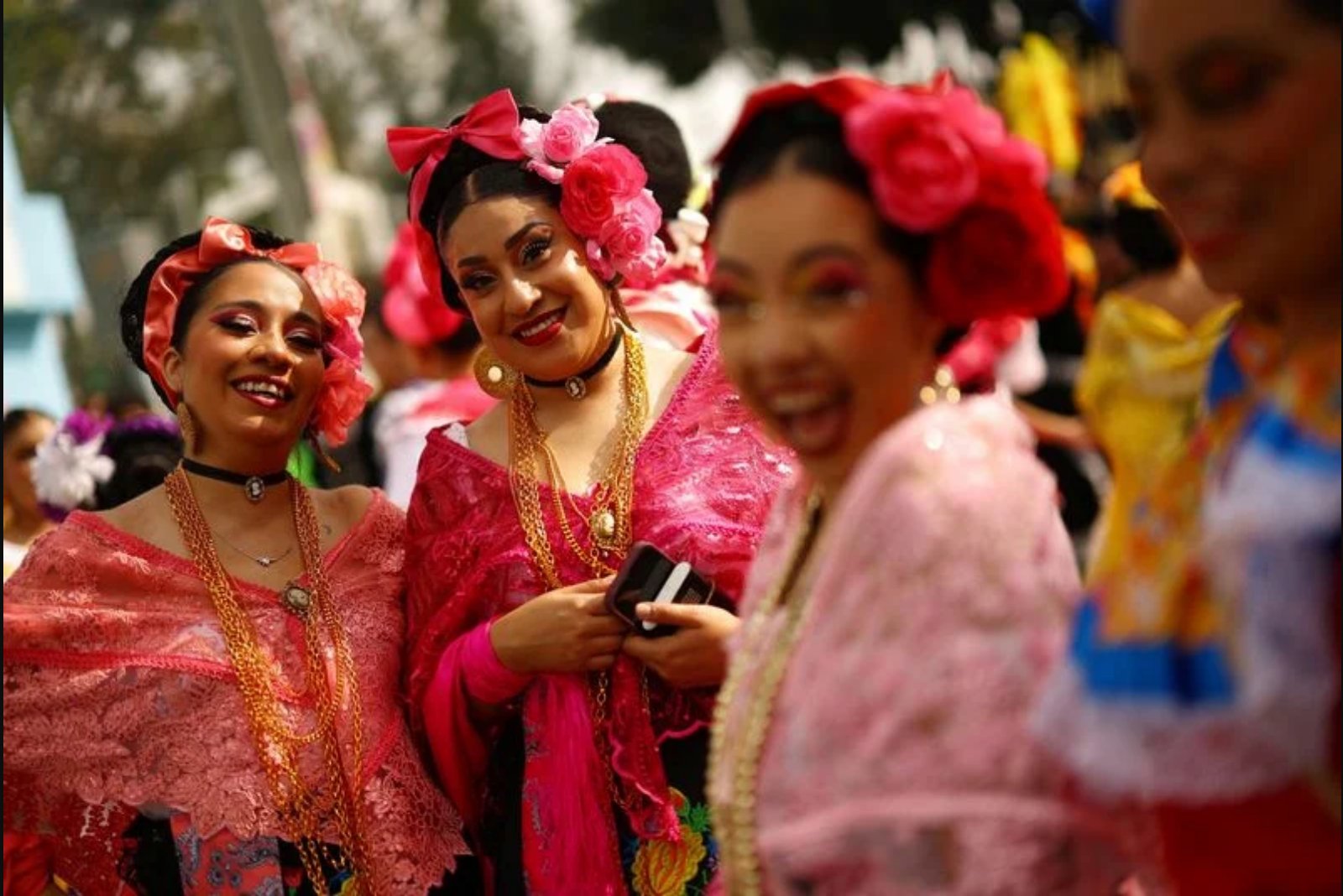
The first World Cup match played in Mexico this tournament unfolded under a mix of festivity and dissent as Mexico City prepared to host the opening fixture between Mexico and South Africa.
Fans in dark green, some dressed in Mariachi costumes and others carrying trumpets, gathered in long lines around the iconic Azteca stadium, which has now become the first venue to host World Cup matches in three different tournaments. Inside the stadium thousands of supporters sang in the run-up to kickoff. Alejandro Garcia, 50, wearing a sombrero and carrying a replica trophy, said he felt proud that Mexico was hosting the event again, recalling that he was a young child when the country last staged the tournament in 1986. On the concourse around the Azteca he said, "This is our temple," and added, "It’s going to be a great World Cup, all of the protests will now be forgotten."
Yet the broader urban landscape of the city of 9 million people was starkly divided between celebration and protest. The tournament, which Mexico is co-hosting with the United States and Canada, has coincided with visible social unrest in the capital as multiple groups - including teachers and relatives of those who went missing in the drug war - have used the international spotlight to press their demands.
Authorities reported that at least six protests were planned for the day of the opener, creating a scene in which freshly painted murals, new trains and a renovated stadium intended to welcome visitors sat beside steel barricades erected by businesses trying to shield themselves from potential rioting along a main avenue.
About three miles from the Azteca, thousands of disgruntled teachers from around the country began a march toward the stadium before the match. Avelina Cruz Miguel, who has taught elementary school for 22 years and traveled from Oaxaca to participate, said the teachers hoped to use the global attention to voice their demands for better pay at "an international level." She also said, "There is no support for education" in Mexico.
Teachers had set up a camp outside the central Zocalo square for days prior to the tournament start. That encampment led authorities to barricade the Zocalo entrance on the eve of the opener and fueled concerns the square might be closed to fans who planned to watch the match on a large public screen. On the morning of the game, tents still lined the streets for several blocks around the square, but officials confirmed that the fan zone would remain open.
Those who came to public viewing areas described a mix of relief and frustration. Mario Martinez, 30, from Tijuana, was among the first to enter the fan zone with his girlfriend after deciding not to pursue stadium tickets due to cost. He said they had worried the event would be cancelled but added, "Thank God it all worked out."
Across neighborhoods some residents criticized municipal spending choices, arguing funds were prioritized toward cosmetic improvements for visitors rather than underlying infrastructure needs. In a move intended to ease travel pressures, Thursday was declared an official holiday in Mexico City.
Local sentiment was further strained by complaints about ticket affordability. Many Chilangos - the colloquial term for Mexico City residents - said prices prevented them from attending the match in person. For the opening match between Mexico and South Africa, some fans interviewed said they had paid $3,000 or more for tickets, an amount described as beyond the reach of most Mexicans. FIFA defended its pricing structure, saying ticket costs were comparable to other major sporting events, but critics voiced frustration. Jonathan Cordoba, 33, standing in a long queue to enter the stadium, stated, "FIFA is only interested in profit," though he added he felt no regret about attending, saying, "It’s the passion!"
The scene on the ground combined exuberance and unease: bright displays of national pride at one site, and organized demonstrations and makeshift camps at another. Business owners installed protective measures; teachers and families kept up a visible presence; and municipal authorities balanced crowd management, public safety and the promise of an open fan zone.
As the tournament began in Mexico City, the capital presented a simultaneous image of hospitality for international visitors and a platform for local grievances, leaving open questions about the immediate social and economic effects of hosting an event of this scale.