
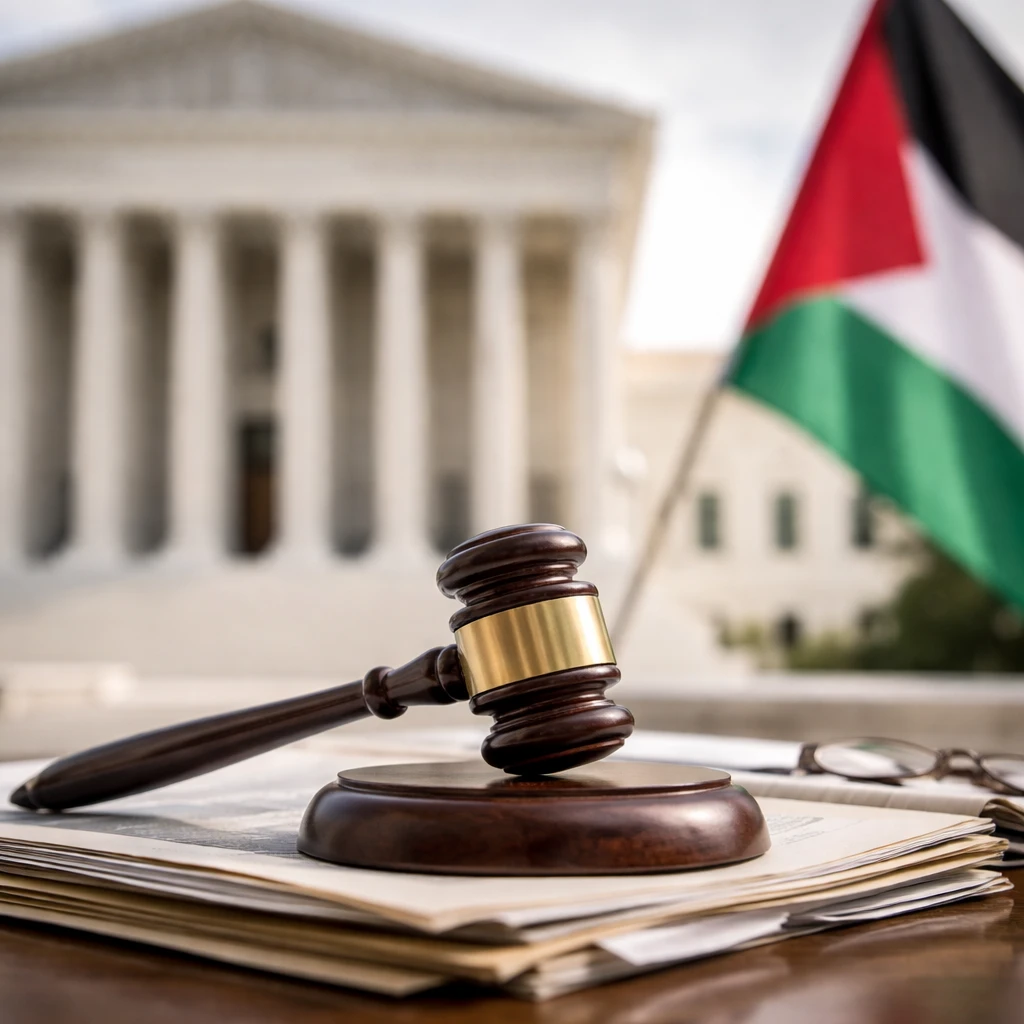
U.S. Supreme Court Justice Sonia Sotomayor on Monday refused a request to put on hold a $655.5 million judgment that a U.S. federal court ordered the Palestinian Authority and the Palestine Liberation Organization to pay to plaintiffs who were Americans killed or injured in attacks in Israel between 2002 and 2004.
The Palestinian entities asked Sotomayor to halt enforcement of the award while they pursue further appeals after a lower appellate court revived the judgment. Sotomayor denied the emergency request without providing an explanation and without referring the matter to the full court. She manages emergency filings for matters arising from New York and several other states.
The judgment was reinstated by the Manhattan-based 2nd U.S. Circuit Court of Appeals in March, after the U.S. Supreme Court issued a unanimous 9-0 decision in June 2025 upholding a 2019 federal statute known as the Promoting Security and Justice for Victims of Terrorism Act. That law was enacted by Congress to allow U.S. lawsuits like the one filed by the plaintiffs in this case.
In their filing to the Supreme Court, the Palestinian Authority and the PLO warned that enforcing the judgment would inflict severe financial harm on them and undermine government services in the West Bank, with negative consequences for residents and regional stability. They stated that the plaintiffs have indicated plans to seek payment from indirect Palestinian tax revenues that Israel collects on behalf of the Palestinian authorities, funds the filing describes as a key source for Palestinian government operations. "Security, sanitation and school services in the West Bank are hanging by a thread," the entities wrote.
The dispute traces back more than a decade. Plaintiffs secured a judgment in a New York federal court in 2015, asserting the Palestinian organizations were responsible for shootings and bombings in the Jerusalem area from 2002 to 2004 that killed or injured Americans. In 2016, the 2nd Circuit set aside that verdict and ordered the case dismissed, concluding the federal court lacked jurisdiction. The high court declined to take up the case in 2018, after which Congress passed the 2019 law to facilitate these types of claims.
The 2019 statute provides that the PLO and the Palestinian Authority automatically "consent" to U.S. jurisdiction if they engage in certain activities in the United States or if they make payments to individuals who attack Americans. Following the law's enactment, the 2nd Circuit initially held that the statute violated the Palestinian entities' due process rights under the U.S. Constitution. The Supreme Court reversed that determination last year, and the appellate court then reinstated the 2015 judgment.
In their filing seeking a pause on enforcement, the Palestinian groups told the Supreme Court the judgment had long been void and a "nullity" once appeals were exhausted in 2018. They argued the money judgment should not be executed while their further legal challenges proceed.
Sotomayor's decision not to grant interim relief leaves the judgment in place for now while the appellate process continues. The plaintiffs' original case centers on attacks more than two decades ago in the Jerusalem area; the legal pathway for their claims was shaped significantly by the 2019 law and by the Supreme Court's subsequent interpretation of that statute.
Timeline of key legal steps
- 2015 - Plaintiffs won a judgment in New York federal court in a case alleging Palestinian responsibility for attacks in 2002-2004.
- 2016 - The 2nd U.S. Circuit Court of Appeals vacated the verdict and ordered dismissal for lack of jurisdiction.
- 2018 - The U.S. Supreme Court declined to review the case after appeals were exhausted.
- 2019 - Congress enacted the Promoting Security and Justice for Victims of Terrorism Act to allow suits like the plaintiffs' claims.
- June 2025 - The Supreme Court issued a 9-0 decision upholding the 2019 law.
- March (year as in the record) - The 2nd Circuit reinstated the 2015 judgment following the Supreme Court decision.
- August 3 - Justice Sotomayor denied the Palestinian entities' request to stay enforcement while appeals continue.
The case sits at the intersection of federal statutory law, constitutional due process claims, and the practical impact of civil judgments on governmental finances and public services in the West Bank. The immediate legal posture is that the judgment remains in force while the judicial system continues to consider the Palestinian authorities' challenges to enforcement and the legal consequences of the 2019 statute.